US Space Command Conducts Classified Nuclear-Orbit Wargame with Over 60 Firms and Four Allies
The first Apollo Insight tabletop exercise simulated a nuclear detonation in orbit, bringing together over sixty companies and allies from Australia, Canada, New Zealand, and the UK to assess effects and responses.
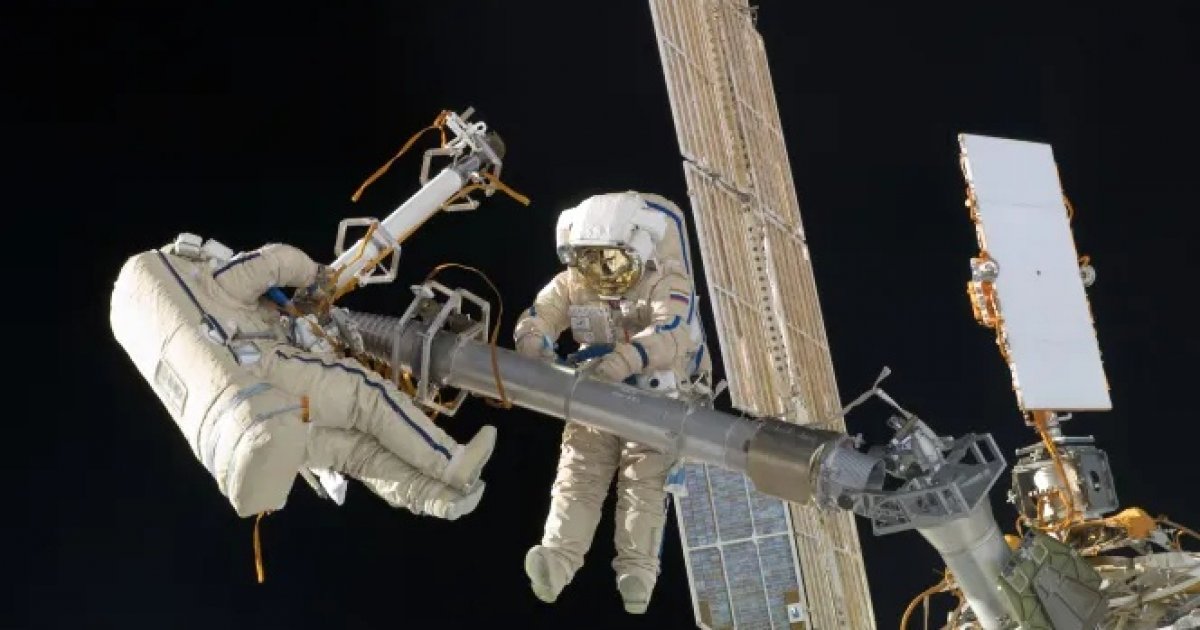
US Space Command ran a classified nuclear‑orbit wargame with over 60 firms and four allied nations, the first of four planned Apollo Insight exercises this year.
The Apollo Insight series is a set of tabletop exercises designed to test responses to extreme space threats. It brings together military planners, government officials, and private‑sector experts in a classified setting. The goal is to identify gaps in current capabilities and generate ideas for mitigation.
The inaugural exercise focused on a notional nuclear detonation in Earth orbit, a scenario barred by the Outer Space Treaty. Such an event would produce a cloud of debris that could endanger operational satellites and crewed missions. Participants examined both the immediate effects and the longer‑term risks to space operations.
General Stephen Whiting said the command has already carried out one of these wargames, involving more than sixty companies at the classified level. The firms shared insights on how a nuclear blast in orbit would be detected and characterized. They also discussed potential response options using existing or future technologies.
Allied nations Australia, Canada, New Zealand, and the United Kingdom were invited to take part. Their representatives contributed perspectives on allied space‑domain awareness and joint response planning. This multinational input aimed to align procedures across partner forces.
The exercise simulated a worst‑case detonation and evaluated how space‑based sensors, ground radars, and optical systems could track the expanding debris cloud. Participants highlighted the need for rapid data fusion to support timely decision‑making. They also noted that improved tracking could help avoid collateral damage to other spacecraft.
By institutionalizing these tabletop events, Space Command seeks to create a repeatable process for vetting space‑threat scenarios. The structured format allows lessons to be captured and disseminated across the defense and industrial bases. This approach reduces reliance on ad‑hoc discussions when a real crisis emerges.
The collaboration with over sixty firms demonstrates a growing reliance on commercial innovation for space security. Companies can propose technologies ranging from advanced sensors to on‑orbit servicing concepts that might mitigate debris hazards. Such input helps the military assess near‑term and long‑term solutions.
Observers should watch for the remaining three Apollo Insight exercises scheduled later this year and any resulting policy or procurement recommendations. Outcomes could shape future investments in space‑based surveillance and debris‑removal capabilities. The next steps will reveal how seriously the department treats the nuclear‑orbit threat scenario.
Continue reading
More in this thread
US Marshals Arrest 30‑Year Fugitive for 1993 Rock Singer Murder in Panama
Nadia Okafor
US Envoy Says Hamas Can Stay Political If It Disarms Amid Rising Israeli Strikes
Nadia Okafor
Dutchess County Forms AI Oversight Committee as 1‑GW Data Center Plans Unfold
Nadia Okafor
Conversation
Reader notes
Loading comments...