US Sanctions Waiver Expiry Limits India's Chabahar Port Plans
The U.S. sanctions waiver for India's work at Iran's Chabahar port ended on April 26, 2024, restricting development while keeping the port operational.
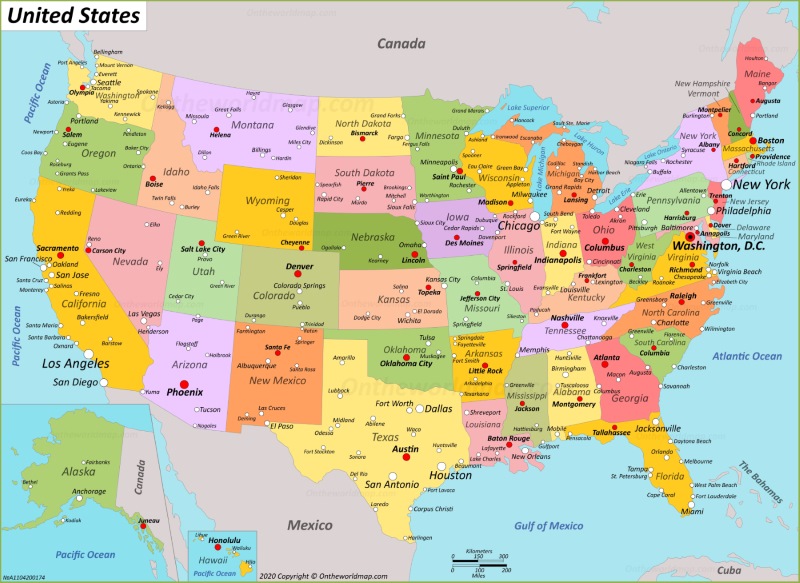
U.S. Map
TL;DR
The U.S. sanctions waiver for India's work at Iran's Chabahar port expired on April 26, 2024, restricting future development while keeping the port functional.
Context Since 2018, a U.S. waiver exempted India from broad sanctions on Iran, allowing Indian firms to invest in and operate the strategic Chabahar port on the Gulf of Oman. The port offers India a land route to Afghanistan and Central Asia, bypassing Pakistan. The waiver’s lapse removes that legal shield, raising questions about the scale of India's future involvement.
Key Facts - The waiver expired on April 26, 2024, ending the formal exemption that permitted Indian development and operation of the port. - Indian officials report ongoing negotiations with both the United States and Iran to address the gap. - A spokesperson for India’s Ministry of External Affairs said the continuing Middle‑East conflict complicates talks. - Analysts note the expiry will not force India out of Chabahar, but it will limit the port’s commercial scalability. The facility will remain operational, yet large‑scale investment and expansion face new legal and financial hurdles.
What It Means India’s strategic calculus now hinges on diplomatic outcomes. Without the waiver, any new Indian investment must navigate U.S. secondary sanctions that could penalize firms dealing with Iran’s sanctioned sectors. This risk may deter private capital and slow infrastructure projects such as additional berths, storage facilities, and rail links.
For Iran, the loss of a reliable development partner could weaken its bid to position Chabahar as a regional trade hub, especially as rival ports in the Persian Gulf attract Chinese and Russian interest. Tehran may seek alternative partners or attempt to secure a new waiver, but the ongoing conflict in the region adds uncertainty to any multilateral arrangement.
The United States, meanwhile, balances pressure on Iran’s nuclear program with the desire to limit China’s influence in the Indian Ocean. Maintaining a limited Indian presence at Chabahar aligns with Washington’s goal of keeping trade routes open without fully endorsing Iranian projects.
Looking ahead, watch for any formal renewal or replacement of the waiver, shifts in U.S. sanction policy, and the outcome of India’s trilateral talks. The next few months will determine whether Chabahar remains a modestly functional port or evolves into a larger commercial gateway.
Continue reading
More in this thread
Powell Stays on Fed Board as DOJ Probe Lingers and Court Cases Test Independence
Nadia Okafor
House Passes Farm Bill After Removing Pesticide Liability Shield, 224‑200 Vote
Nadia Okafor
Josephine Alcohol Vote Takes Center Stage in Collin County’s May 2 Municipal Elections
Nadia Okafor
Conversation
Reader notes
Loading comments...