Powell Stays on Fed Board as DOJ Probe Lingers and Court Cases Test Independence
Jerome Powell remains a Fed governor as a DOJ investigation lingers and lawsuits test presidential removal power, highlighting efforts to protect central‑bank independence.
TL;DR
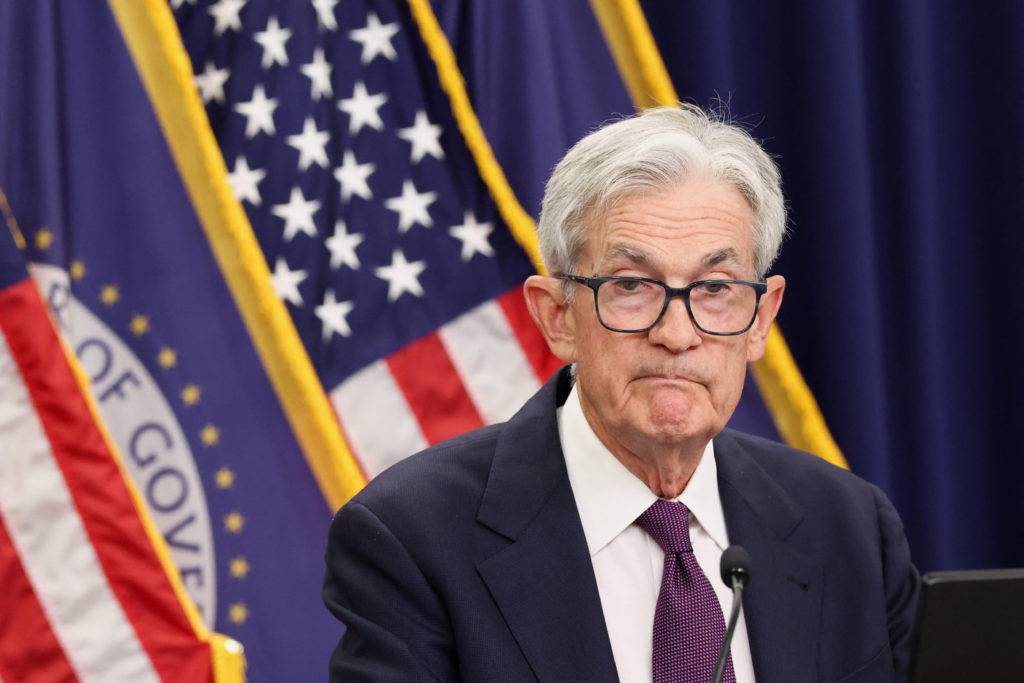
Jerome Powell will stay on the Federal Reserve Board while the Justice Department’s investigation remains on ice and court battles over presidential authority continue, underscoring a bid to safeguard the Fed’s independence.
Context The Federal Reserve faces an unprecedented convergence of legal and political pressure. A Justice Department inquiry into the central bank’s renovation project was officially closed last week, but officials warned it could be reopened. Simultaneously, lawsuits challenging the limits of a president’s power to dismiss Fed governors are moving through the courts. These developments arrive as the Federal Open Market Committee (FOMC) prepares to hold interest rates steady at its next meeting.
Key Facts - The DOJ investigation, though dropped, may be revived, keeping uncertainty alive for the Fed’s oversight mechanisms. - Ongoing litigation focuses on whether a president can remove Fed governors without cause, a question that could reshape the balance between the executive branch and independent agencies. - Powell is expected to deliver his final press conference as chair on Wednesday, coinciding with market expectations that the FOMC will keep rates unchanged. - By remaining a board member, Powell will not interfere with the transition to a new chair; policy decisions will continue to be made by the FOMC as a collective body.
What It Means Powell’s decision to stay on the board is not a break with tradition but a strategic response to heightened risk to institutional stability. His presence offers continuity at a moment when markets closely watch signals of central‑bank credibility. A perception of weakened independence can push long‑term yields higher as investors demand a risk premium, and it can amplify volatility in borrowing costs for businesses and households, especially smaller firms.
Maintaining a low profile as a governor, Powell aims to reduce any disruption while the legal questions settle. The outcome of the court cases will determine how much political influence can be exerted over the Fed’s leadership, potentially setting a precedent for future administrations. Meanwhile, the possibility of a revived DOJ probe keeps the Fed’s internal controls under scrutiny.
The next test will come when the new chair assumes office. Observers will watch how quickly the Fed can re‑assert its statutory mandate—maximum employment and price stability—without political interference. The interplay between legal rulings and the Fed’s policy stance will shape the credibility of U.S. monetary policy in the months ahead.
Continue reading
More in this thread
Conversation
Reader notes
Loading comments...