US Sanctions Nine Lebanese, Including Two Military Officers, Over Hezbollah Links
Washington sanctions nine Lebanese, two army officers, for alleged Hezbollah ties as Israel continues strikes and US‑brokered talks resume.
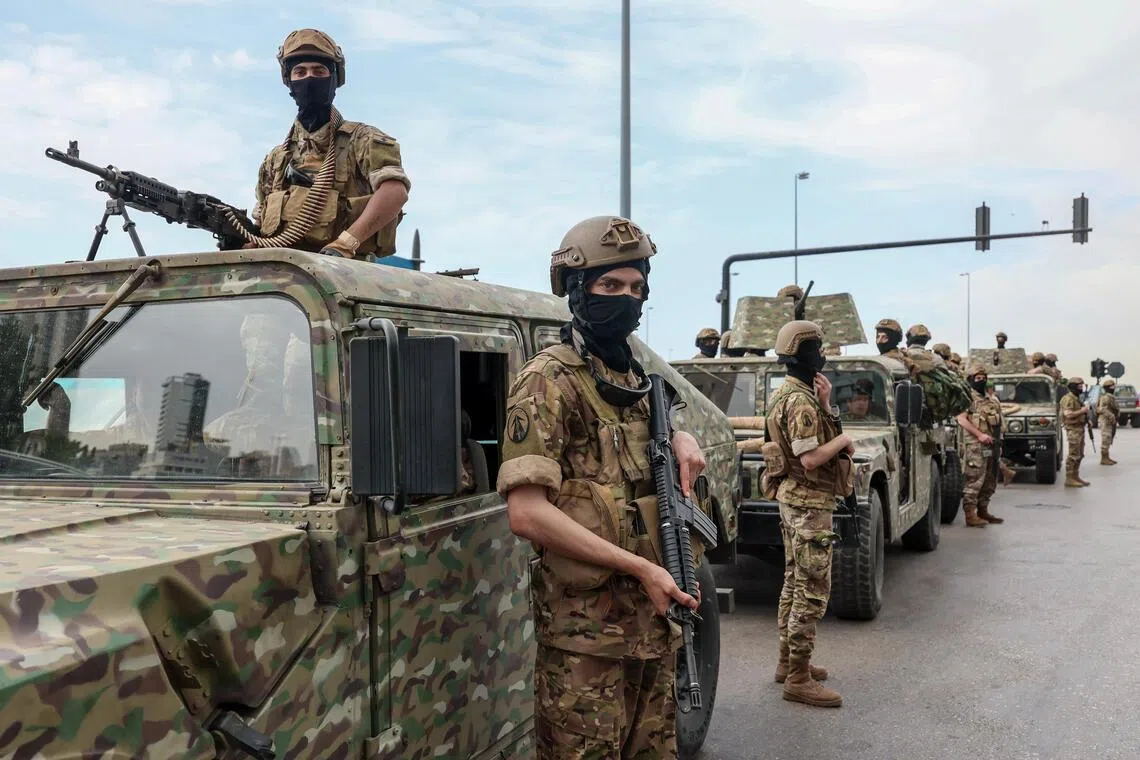
*TL;DR The United States has sanctioned nine Lebanese individuals, among them two army officers, for alleged ties to Hezbollah while Israel maintains attacks on Lebanon despite a cease‑fire and new US‑brokered talks are under way.
Context Israel’s air and artillery strikes on southern Lebanon have persisted even after a UN‑mediated cease‑fire was declared last month. The violence has heightened regional tension and prompted Washington to step up diplomatic pressure. In parallel, the United States has been facilitating a series of low‑level meetings between Lebanese and Israeli officials aimed at de‑escalation.
Key Facts - The Treasury Department’s Office of Foreign Assets Control added nine people to its sanctions list on Thursday. - Among the designated are two officers from the Lebanese Armed Forces, a move that signals Washington’s belief that elements within Lebanon’s military maintain operational links to Hezbollah, the Iran‑backed militant group. - The remaining seven individuals include businessmen and political figures identified as providing financial or logistical support to Hezbollah. - The sanctions freeze any assets these persons hold under U.S. jurisdiction and prohibit American persons and companies from dealing with them. - The announcement coincided with the latest round of US‑facilitated talks between Lebanese and Israeli representatives, the first such dialogue since the cease‑fire began.
What It Means Targeting Lebanese military officers marks a notable escalation in U.S. policy, expanding pressure beyond civilian networks to the state security apparatus. By labeling the officers as “linked” to Hezbollah, Washington is signaling that it views the militia’s influence as extending into official Lebanese institutions. The move could strain the already fragile relationship between Beirut’s government and its armed forces, potentially prompting internal investigations or reshuffling of command structures.
For Israel, the sanctions reinforce its claim that Hezbollah remains a direct threat despite the cease‑fire, justifying continued military actions. For Lebanon, the designations risk further isolating the country financially, as banks may tighten compliance procedures to avoid secondary sanctions.
The diplomatic track—US‑mediated talks—offers a parallel avenue for de‑escalation. If the discussions produce confidence‑building measures, they could mitigate the impact of the sanctions by creating a framework for monitoring Hezbollah’s activities. Conversely, a breakdown in talks could embolden hardliners on both sides and lead to a broader regional flare‑up.
What to watch next Monitor Lebanese military responses to the officer designations and any shifts in the pace of US‑facilitated Israeli‑Lebanese talks, as both will shape the trajectory of the conflict and the effectiveness of the sanctions regime.
Continue reading
More in this thread
British Council Staff Protest Sale of Historic Madrid Building Amid Debt‑Driven Cuts
Nadia Okafor
Colombia’s Drone War Jumps 445% as Government Rolls Out $1.68 B Anti‑Drone Shield
Nadia Okafor
NYSC Warns Female Corps Members to Skip Henna for Fingerprint Clearance
Nadia Okafor
Conversation
Reader notes
Loading comments...