Colombia’s Drone War Jumps 445% as Government Rolls Out $1.68 B Anti‑Drone Shield
Colombia saw a 445% rise in weaponised drone attacks in 2025. The government is spending $1.68 billion on an anti‑drone shield to protect civilians.
Colombia’s Drone War Jumps 445% as Government Rolls Out $1.68 B Anti‑Drone Shield
TL;DR: Colombia recorded 8,395 weaponised drone attacks in 2025—a 445% rise from the previous year—and is spending $1.68 billion on a nationwide anti‑drone shield.
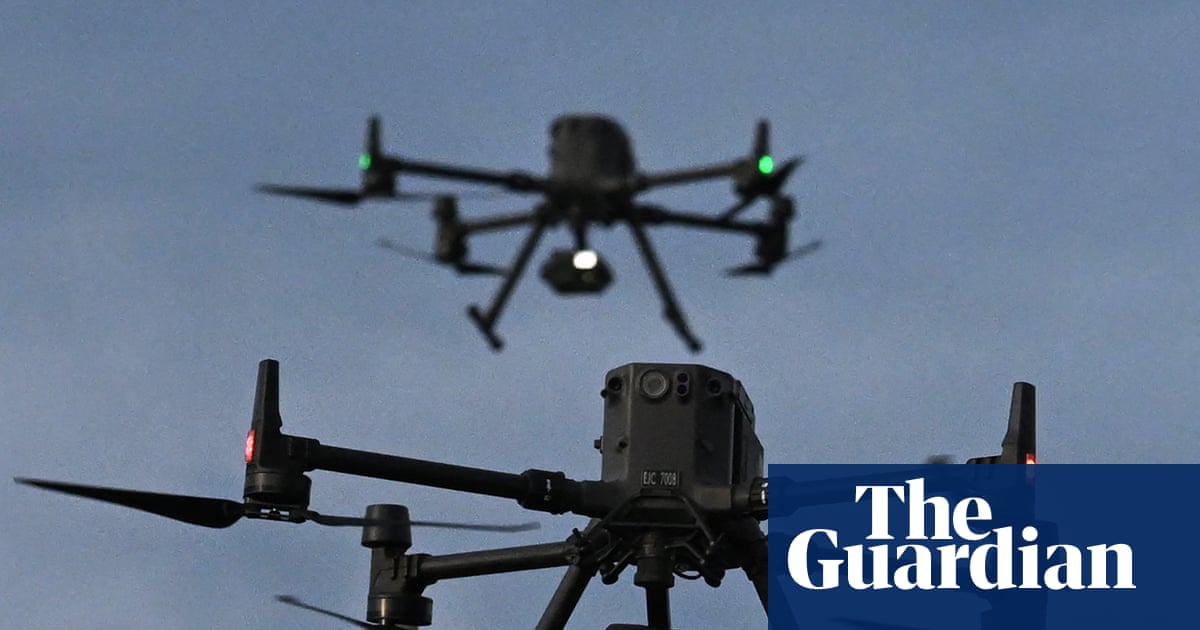
Context The quiet of rural homes in the Catatumbo region now begins with a low, buzzing thrum that signals an incoming drone. Residents like Sandra Montoya live under the constant threat of unmanned aerial vehicles (UAVs) that can carry explosives. The surge mirrors a global shift toward low‑cost, commercially sourced drones repurposed for combat.
Key Facts Colombia’s Defence Ministry logged 8,395 weaponised drone incidents in 2025. Of those, 333 strikes hit their intended targets, up from 61 effective attacks in 2024. The attacks caused 20 deaths and injured 297 people nationwide. Fatalities included a 12‑year‑old boy and his mother in May 2025, and three soldiers in Narino later that year.
The government announced a $1.68 billion program in January 2026 to build an anti‑drone shield. The initiative aims to detect, track and neutralise hostile UAVs across the country’s most vulnerable regions, including Catatumbo, Cauca, Narino and Putamayo.
Armed groups such as the ELN, Clan del Golfo and dissident FARC factions have adopted drones for both attacks and surveillance. Analysts note that commercial models—often purchased on platforms like Amazon or Temu—are modified to carry payloads of up to 3 kg, enough to deliver improvised explosive devices. The technology lowers the cost of striking targets and expands territorial control without exposing fighters to direct combat.
What It Means The dramatic rise in drone‑related violence signals a new non‑conventional weapon in Colombia’s protracted internal conflict. By investing heavily in detection and interception systems, the state hopes to curb civilian casualties and limit armed groups’ operational reach. Success will depend on integrating radar, electronic warfare and rapid‑response units across remote border zones.
Looking Ahead Watch for the first deployment of the anti‑drone shield in early 2027 and for any measurable drop in effective drone strikes as the system comes online.
Continue reading
More in this thread
Ben‑Gvir’s Video of Bound Activists Triggers Global Condemnation Amid Palestinian Custody Deaths
Nadia Okafor
British Council Staff Protest Sale of Historic Madrid Building Amid Debt‑Driven Cuts
Nadia Okafor
NYSC Warns Female Corps Members to Skip Henna for Fingerprint Clearance
Nadia Okafor
Conversation
Reader notes
Loading comments...