US Sanctions Nine Lebanese Figures, Including Two Military Officers, as Israeli Strikes Persist
Washington sanctions nine Lebanese individuals, including two military officers linked to Hezbollah, while facilitating new Lebanon‑Israel talks as attacks continue.
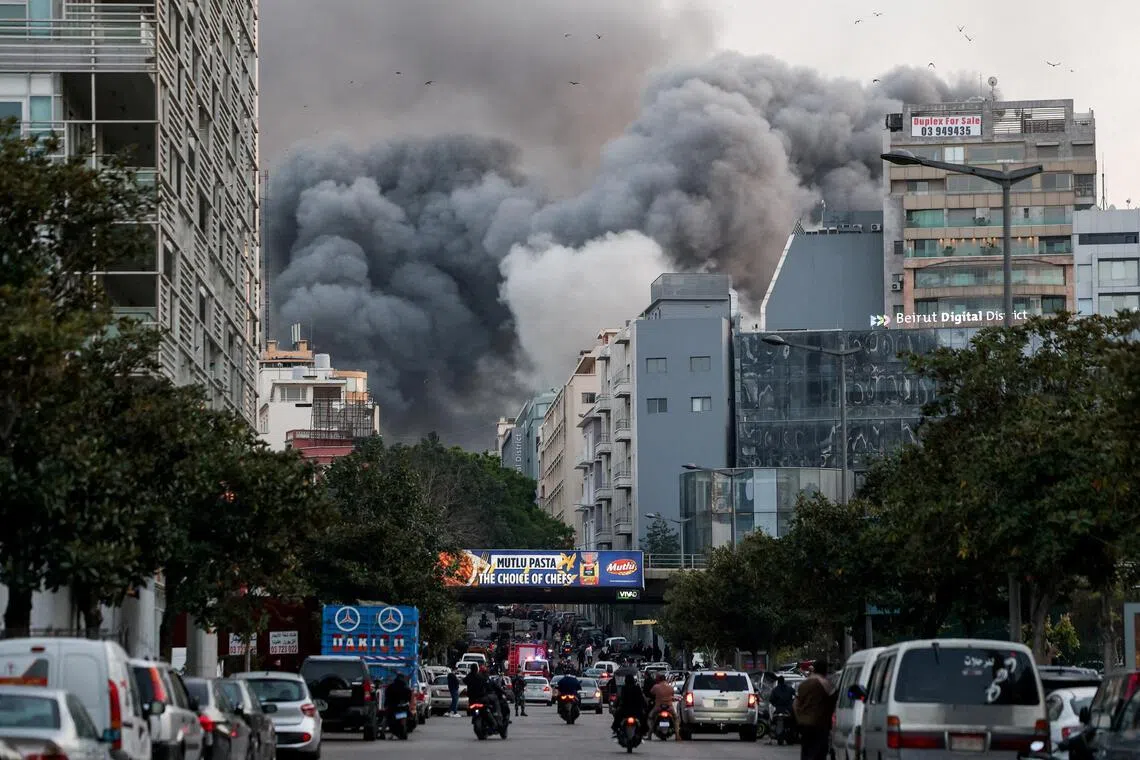
TL;DR: The United States has sanctioned nine Lebanese individuals, two of them military officers, for alleged Hezbollah links, even as Israel continues strikes on Lebanon despite a cease‑fire and Washington brokers fresh dialogue.
Context Israel’s air and artillery campaign against Hezbollah positions in southern Lebanon has continued unabated, violating a tentative cease‑fire announced last month. The United States, a key ally of Israel, has responded not only with diplomatic pressure but also with targeted economic measures.
Key Facts - The Treasury Department placed nine Lebanese persons on its sanctions list, freezing any assets under U.S. jurisdiction and prohibiting American entities from dealing with them. Among the list are two officers from the Lebanese Armed Forces, accused of maintaining operational ties with Hezbollah, the Iran‑backed militant group that controls large swaths of southern Lebanon. - The sanctions target individuals rather than institutions, aiming to disrupt personal financial networks that support Hezbollah’s military activities. U.S. officials said the designations are based on intelligence linking the honorees to weapons procurement, fundraising, or command functions for the group. - Concurrently, Washington is facilitating a new round of indirect talks between Lebanese and Israeli officials. The talks, arranged through third‑party mediators, seek to de‑escalate border hostilities and address humanitarian concerns in the war‑torn south. - The move follows a pattern of U.S. pressure on Lebanon’s security sector, which has been accused of allowing Hezbollah operatives to embed within the army. By sanctioning two officers, the United States signals that it will hold individual actors accountable, not just the organization.
What It Means The sanctions add a financial dimension to the diplomatic push for a cease‑fire. For the two Lebanese officers, the measures could mean loss of overseas bank accounts and travel bans, potentially curbing their ability to coordinate with Hezbollah. For Hezbollah, the designations aim to choke off funding streams and deter further integration with state forces.
For Israel, the continued strikes underscore a strategy of pressure that does not rely solely on diplomatic channels. The U.S. facilitation of talks suggests a parallel effort to contain the conflict through negotiation, but the sanctions indicate Washington is prepared to act unilaterally if progress stalls.
The Lebanese government has not publicly responded, but internal factions are likely to view the sanctions as an infringement on national sovereignty. Hezbollah’s leadership typically frames external pressure as evidence of a broader campaign against Lebanese resistance.
Looking ahead, observers will watch whether the sanctions prompt any shift in Hezbollah’s operational posture or influence the upcoming Lebanon‑Israel dialogue. The next round of talks, slated for late June, could test whether financial pressure and diplomatic outreach can jointly reduce hostilities along the volatile border.
Continue reading
More in this thread
British Council Staff Protest Sale of Historic Madrid Building Amid Debt‑Driven Cuts
Nadia Okafor
Colombia’s Drone War Jumps 445% as Government Rolls Out $1.68 B Anti‑Drone Shield
Nadia Okafor
NYSC Warns Female Corps Members to Skip Henna for Fingerprint Clearance
Nadia Okafor
Conversation
Reader notes
Loading comments...