US‑Israel Campaign Against Iran Faces Inevitable Withdrawal
Cost gaps and a broken decision process point to a US retreat from the Iran conflict that began in February 2026.
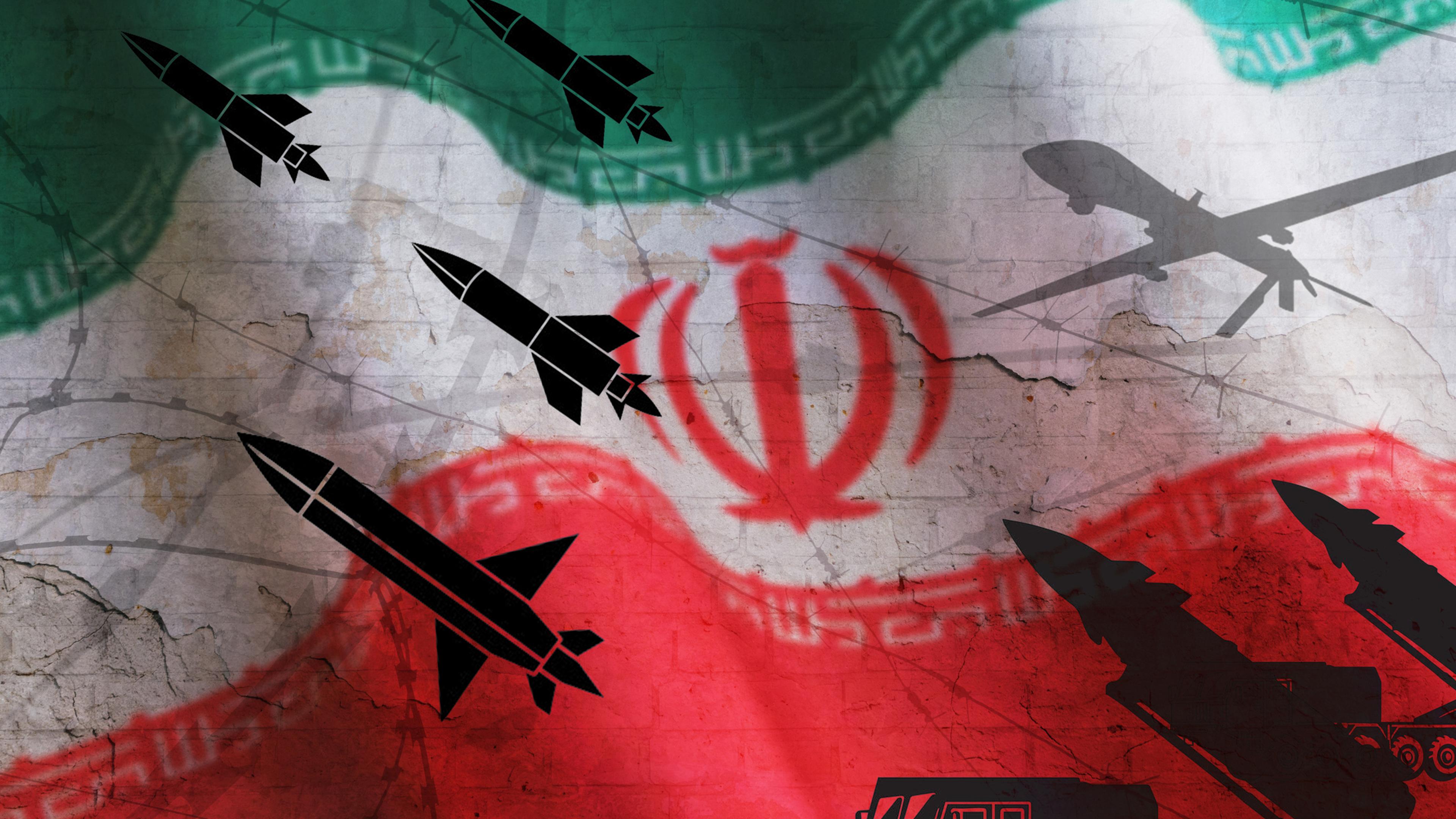
Conceptual image of war between Israel, Iran and its proxies
TL;DR: The US‑Israel war on Iran, started Feb. 28 2026, is set to end with a US retreat as soaring costs and flawed decision‑making become undeniable.
Context The joint operation began as a “decapitation strike” aimed at toppling Iran’s leadership and installing a pliant government. Early expectations mirrored the January 2026 US intervention in Venezuela, where a regime change was achieved with limited resistance. Iran’s political structure, however, proved far more resilient.
Key Facts Iranian drones cost roughly $20,000 each, while the United States spends about $4 million per air‑defense interceptor missile. This 200‑to‑1 cost gap makes each Iranian attack exponentially cheaper than the US response. Iranian anti‑ship missiles, priced in the low six figures, threaten US destroyers valued at $2‑3 billion each, further skewing the economics of conflict.
On March 17, Joe Kent, director of the National Counterterrorism Center under former President Trump, resigned. In his departure letter he described the war’s decision‑making as an “echo chamber” that misled the president, highlighting the absence of a formal interagency review.
Two months into the campaign, Tehran’s Islamic Revolutionary Guard Corps (IRGC) has not been decapitated. Instead, it has tightened command, expanded its role, and rallied domestic support. The supreme leader’s office remains intact, and the broader population has united against external aggression.
What It Means The financial imbalance forces the United States to confront an unsustainable war footing. Each Iranian drone or missile sortie extracts a disproportionate amount of US resources, eroding political will at home and abroad. The lack of a structured decision process—exemplified by Kent’s resignation—suggests that strategic oversight was bypassed, leaving the administration vulnerable to costly miscalculations.
A US withdrawal would leave Iran in control of the Strait of Hormuz, the chokepoint through which a significant share of global oil passes. Continued hostilities risk destroying regional oil, gas and desalination infrastructure, potentially triggering a prolonged global energy crisis.
Looking Ahead Watch for diplomatic signals from Washington and Jerusalem as they negotiate exit terms, and monitor Iranian moves to solidify control over the Hormuz corridor.
Continue reading
More in this thread
Conversation
Reader notes
Loading comments...