Economic Pressure, Not Firepower, Drove Iran to Negotiate in Hormuz Crisis
U.S. blockade costing Iran $435 million daily and cutting 13% of its GDP in oil revenue forced Tehran back to the negotiating table, highlighting economics over firepower.
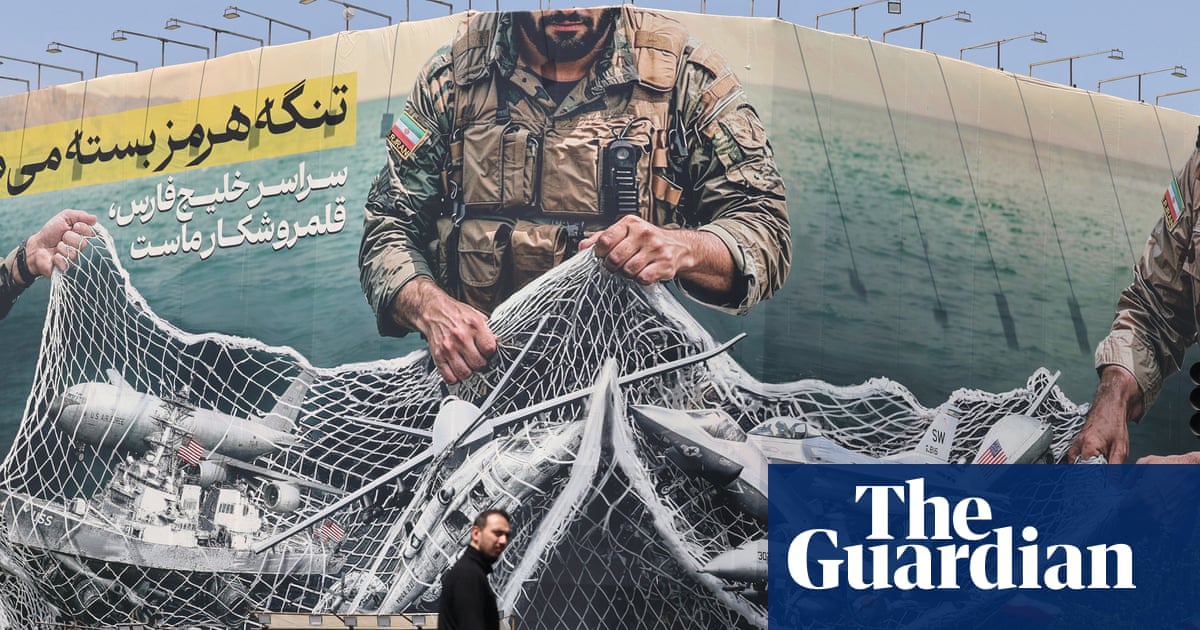
*TL;DR: A U.S. maritime blockade that drained roughly $435 million per day from Iran’s coffers and halted oil exports—accounting for 13% of its GDP—compelled Tehran to seek a deal, underscoring economics as the decisive lever in modern conflict.
Context The United States deployed warships, aircraft and thousands of personnel to seal the Strait of Hormuz, a chokepoint through which most of Iran’s oil passes. While international law normally protects such passages, Washington labeled Iran a “rogue state” and claimed the right to inspect vessels carrying material that could sustain war. The operation followed a campaign that targeted Iranian industrial sites, weakening the regime’s ability to resist economic pressure.
Key Facts - Oil revenues represent about 13% of Iran’s gross domestic product, providing the foreign exchange needed for imports and public spending. - The blockade’s disruption translated into an estimated daily loss of $435 million, combining lost oil sales and the cost of halted petrochemical output. - Iran’s storage capacity could sustain only two to three weeks of production without export flow, after which the economy would stall. - The pressure threatened roughly 12 million jobs—about half the workforce—and crippled sectors such as steel, petrochemicals and pharmaceuticals. - Years of sanctions after the 2018 collapse of the nuclear deal had already eroded reserves; the added blockade left Tehran with few alternatives. - China, Iran’s largest oil buyer, refrained from intervening after U.S. pressure on Chinese banks and shipping firms, limiting Tehran’s financial lifelines. - Economist Sinem Sonmez emphasized that “the whole thing boils down to economics,” noting that without external cash and with a devalued currency, hyperinflation becomes inevitable.
What It Means The Hormuz episode illustrates that modern statecraft can achieve strategic objectives through financial strangulation rather than kinetic force. By crippling Iran’s oil‑dependent economy, the United States forced a diplomatic opening faster than a prolonged military campaign would have. The lack of Chinese backing removed a potential counterweight, reinforcing the view that economic alliances shape conflict outcomes as much as battlefield assets.
Looking Ahead Watch how Tehran adapts its revenue streams and whether future U.S. actions will rely more on targeted economic levers than on direct military engagement.
Continue reading
More in this thread
Vietnam President To Lam Addresses Sri Lankan Parliament, Signs Five MoUs
Nadia Okafor
Colorado Senate Passes Bill Allowing Lawsuits Against ICE for Constitutional Violations
Nadia Okafor
Greens Take Control of Lewisham and Lambeth, Ending Labour’s South‑London Dominance
Nadia Okafor
Conversation
Reader notes
Loading comments...