US Gas Prices Hit $4.23 as Hormuz Blockade Slashes Oil Shipments
US gasoline hits $4.23 per gallon as Hormuz traffic drops to its lowest level since the war, pushing Brent crude up 25%.
TL;DR
U.S. gasoline climbs to $4.23 a gallon, driven by a sharp drop in oil shipments through the Strait of Hormuz and a 25% rise in Brent crude.
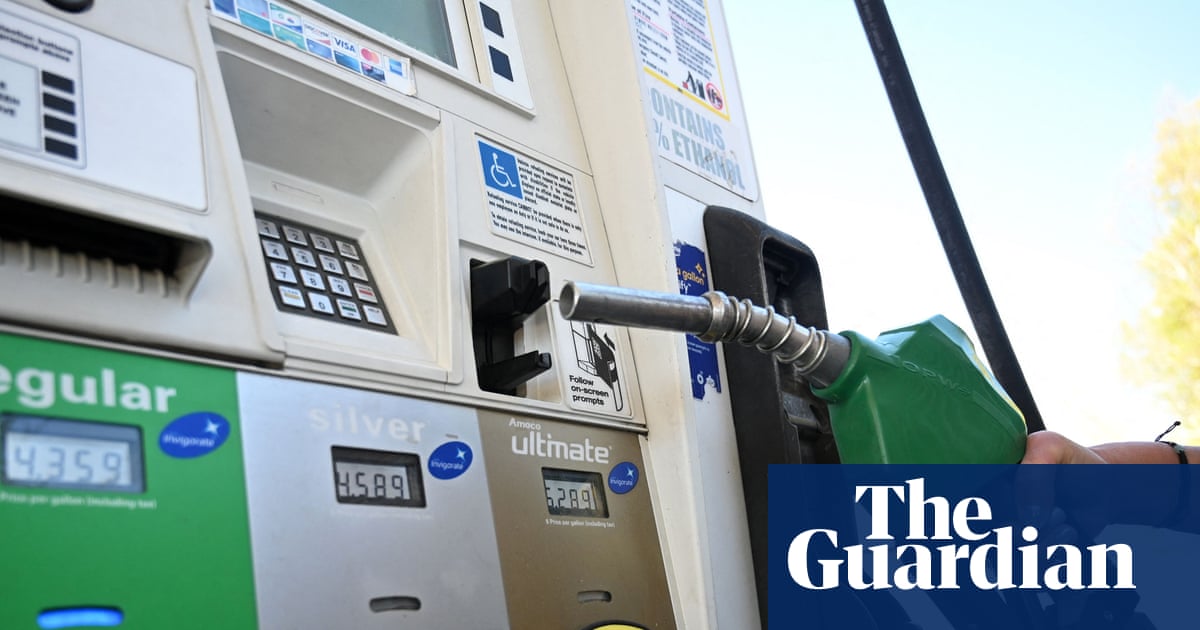
Context The price of gasoline in the United States has surged to $4.23 per gallon, the highest level recorded since 2022. The jump follows a steep increase in Brent crude, the global benchmark that shapes U.S. fuel costs, which now trades at $114.60 a barrel—up nearly 25% from its mid‑April low. The price spike arrives as refineries ramp up for the summer driving season and routine maintenance adds pressure to an already tight market.
Key Facts - Brent crude sits at $114.60 per barrel, a 25% climb from its recent trough. - Only 35 vessels passed the Strait of Hormuz during the week of April 20‑26, down from 78 the week before and the lowest volume since the conflict began. - The Strait of Hormuz carries roughly 20% of global oil shipments; the sharp decline reflects an emerging blockade by the United States and Iran. - A year ago, U.S. gasoline averaged $3.16 per gallon, making the current level more than 30% higher. - The United Arab Emirates announced its exit from OPEC, the oil‑producing cartel, adding another variable to market dynamics.
What It Means The contraction in Hormuz traffic cuts a key supply route for crude, tightening global oil markets and pushing prices upward. Higher crude costs translate directly into gasoline price hikes for American drivers, eroding disposable income and potentially feeding into broader consumer price pressures. Analysts warn that sustained fuel price growth could spill into grocery and utility bills, though evidence of such pass‑through remains limited.
Airlines are already feeling the ripple effect; jet fuel prices have surged more than 70% since the war’s onset, prompting carriers to raise fares, trim routes, and add fees. The International Air Transport Association cautions that fuel rationing could emerge in Asia and Europe if the supply squeeze persists.
Policymakers face a delicate balance. Extending the Hormuz blockade could further cripple Iranian oil exports but also risk amplifying global price volatility. Meanwhile, the U.S. consumer confidence index rose to a four‑month high in April, suggesting that despite higher pump prices, Americans remain cautiously optimistic about the economy.
Looking ahead, market participants will watch Hormuz traffic trends, OPEC membership changes, and any diplomatic moves that could ease the blockade. The trajectory of Brent crude will remain the primary barometer for future gasoline prices.
Continue reading
More in this thread
Brent Crude Hits $117 as US Extends Iran Port Blockade
Elena Voss
US Blockade Pushes Iran’s Oil Stocks Over 6 Million Barrels, Threatening Storage Limits
Elena Voss
Graphic Packaging Secures 250‑MW Texas Solar Deal to Power 43% of North American Operations
Elena Voss
Conversation
Reader notes
Loading comments...