Brent Crude Hits $117 as US Extends Iran Port Blockade
Brent crude climbs to $117 per barrel after reports of a prolonged US blockade of Iranian ports, raising concerns of supply shortages and higher consumer prices.
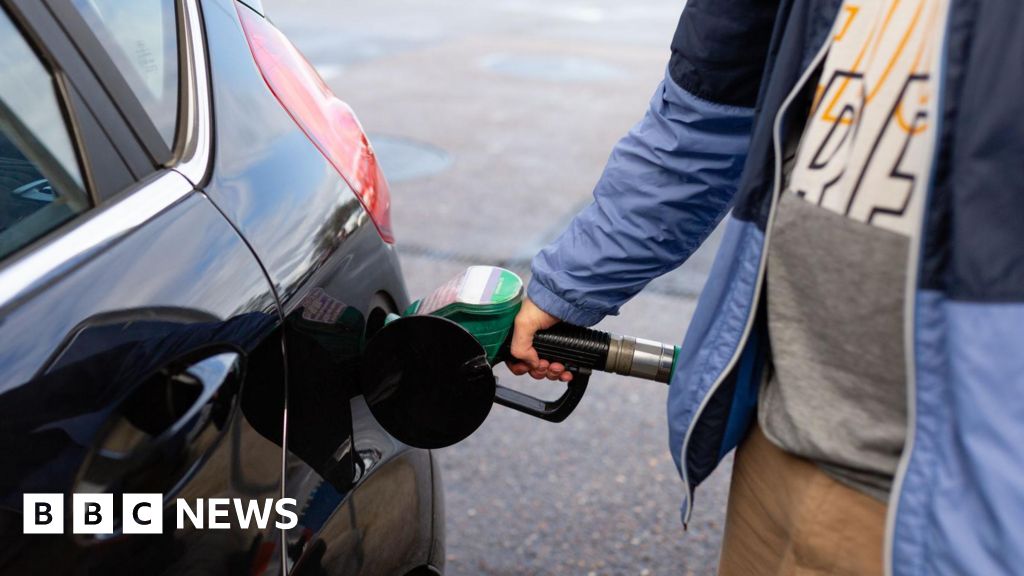
A man filling up his car at a filling station
TL;DR
Brent crude surged to $117 a barrel on Wednesday, its highest level this month, after news that the United States is preparing an extended blockade of Iran’s ports.
Context The price jump follows a Wall Street Journal report that President Donald Trump has ordered aides to ready a longer‑term blockade of Iranian shipping. Iran has responded by threatening to keep the Strait of Hormuz—through which roughly 20% of global oil and liquefied natural gas passes—closed to commercial traffic. The strait has already seen intermittent closures since the conflict began in late February.
Key Facts - Brent crude closed just over $110 a barrel on Tuesday evening and rose to about $117 a barrel by Wednesday afternoon, marking the month’s peak. - The United States has signaled that its forces will intercept or turn back vessels heading to or from Iranian ports, effectively extending the maritime pressure on Tehran. - Iranian officials claim they can sustain the blockade by using alternative trade routes, but the country’s economy is already under strain, with inflation climbing to 53.7% annually and the rial hitting a record low. - Investment strategist Lindsay James warned that each day without restored oil flow raises the risk of physical shortages and pushes up prices for a broad range of goods. - The World Bank projects energy prices could rise 24% in 2026 if the most severe disruptions end only after May, a level not seen since the 2022 Russian invasion of Ukraine.
What It Means Higher oil prices translate directly into increased costs for gasoline, diesel and freight, tightening household budgets and pressuring inflation in import‑dependent economies such as the United Kingdom. The surge also adds volatility to equity markets; European indices slipped on the news while Asian markets continued a modest recovery.
For consumers, the immediate impact will be higher pump prices and potentially higher retail prices for goods that rely on oil‑based logistics. For policymakers, the challenge will be balancing sanctions pressure on Iran with the need to avoid a broader supply shock that could destabilise global inflation trends.
What to watch next Monitor US diplomatic signals on the blockade’s duration, any changes in Iranian shipping activity through the Strait of Hormuz, and upcoming central‑bank decisions that could respond to rising energy costs.
Continue reading
More in this thread
Germany Drafts Bill to Raise Energy Audit and Management Thresholds
Elena Voss
Germany Raises Energy Audit Threshold to 2.77 GWh, Eases Rules for Small Users
Elena Voss
US Blockade Pushes Iran’s Oil Stocks Over 6 Million Barrels, Threatening Storage Limits
Elena Voss
Conversation
Reader notes
Loading comments...