US CSP Plants Face Reputation Gap as Researchers Call for Better Heliostat Metrology
Scoping study by NLR and Sandia shows improved heliostat measurement standards could boost CSP performance predictions and fix reputation issues.
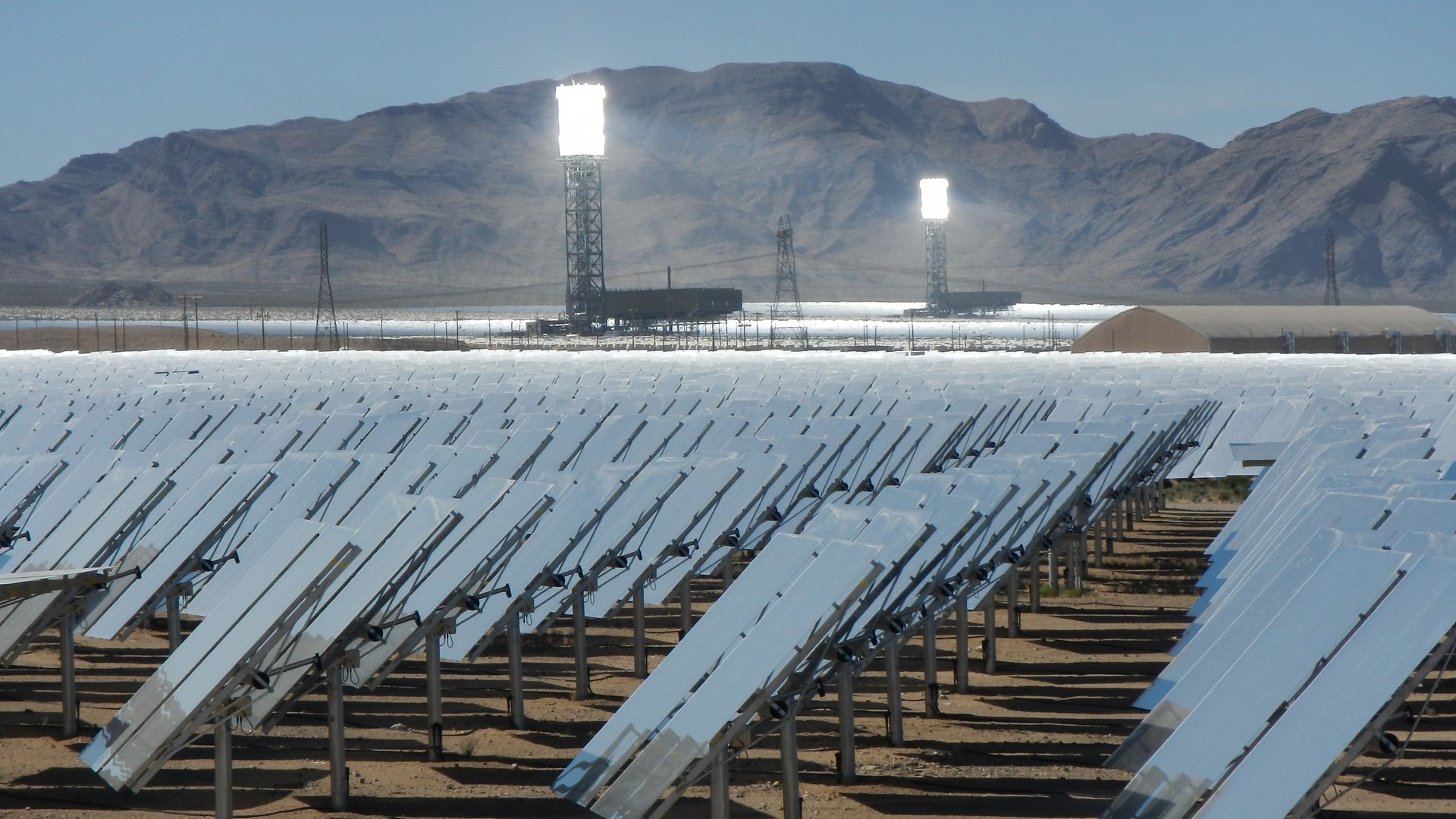
Giant mirrors reflect light onto a tower at the Ivanpah CSP plant in California.
US concentrating solar power plants with central receivers are battling a reputation for underperformance, and a new scoping study shows that clearer measurement standards could improve performance predictions.
Context
Concentrating solar power (CSP) plants use fields of mirrors, called heliostats, to focus sunlight onto a central receiver. In the United States, these central‑receiver systems have gained a negative reputation because operators and investors perceive them as underperforming and unreliable.
Key Facts
Researchers at the Netherlands Organisation for Applied Scientific Research (NLR) conducted a scoping study of existing metrology techniques to prepare for a third‑party metrology platform being built with Sandia National Labs. The study reviewed methods for measuring seven key influences on the solar radiation path: direct solar irradiance, sun shape, atmospheric attenuation, reflectance, collector shape, slope errors, and total beam dispersion. By evaluating the strengths and limitations of each technique in indoor and outdoor laboratory settings, the work shows that better knowledge of these influences and losses can increase the accuracy of heliostat efficiency assessments and solar field performance predictions.
What It Means
Improved metrology standards could give plant operators clearer data on how much energy is actually being captured and delivered, helping to close the gap between expected and observed performance. This, in turn, may alleviate the reputation problem by providing transparent, evidence‑based performance metrics.
Watch for the upcoming third‑party metrology platform results from NLR and Sandia National Labs, expected to be released in late 2027, which will test the new standards across operating CSP fields.
Continue reading
More in this thread
Private Fund Lazuli Space Telescope Set to Surpass Hubble's Size
Dr. Leo Tanaka
Trump Administration Claims $1.3 Trillion Savings While States Cut Emissions 24% Since 2005
Dr. Leo Tanaka
Ryanair’s CO₂ Emissions Surge 50% Since 2019 as Airlines Sidestep €8.5 Billion in Carbon Costs
Dr. Leo Tanaka
Conversation
Reader notes
Loading comments...