U.S. Calls Taiwan a Trusted Partner During President Lai’s Eswatini Visit
The United States labels Taiwan a trusted partner as President Lai visits Eswatini, Taiwan's only African ally, sparking Chinese warnings of heightened risk.
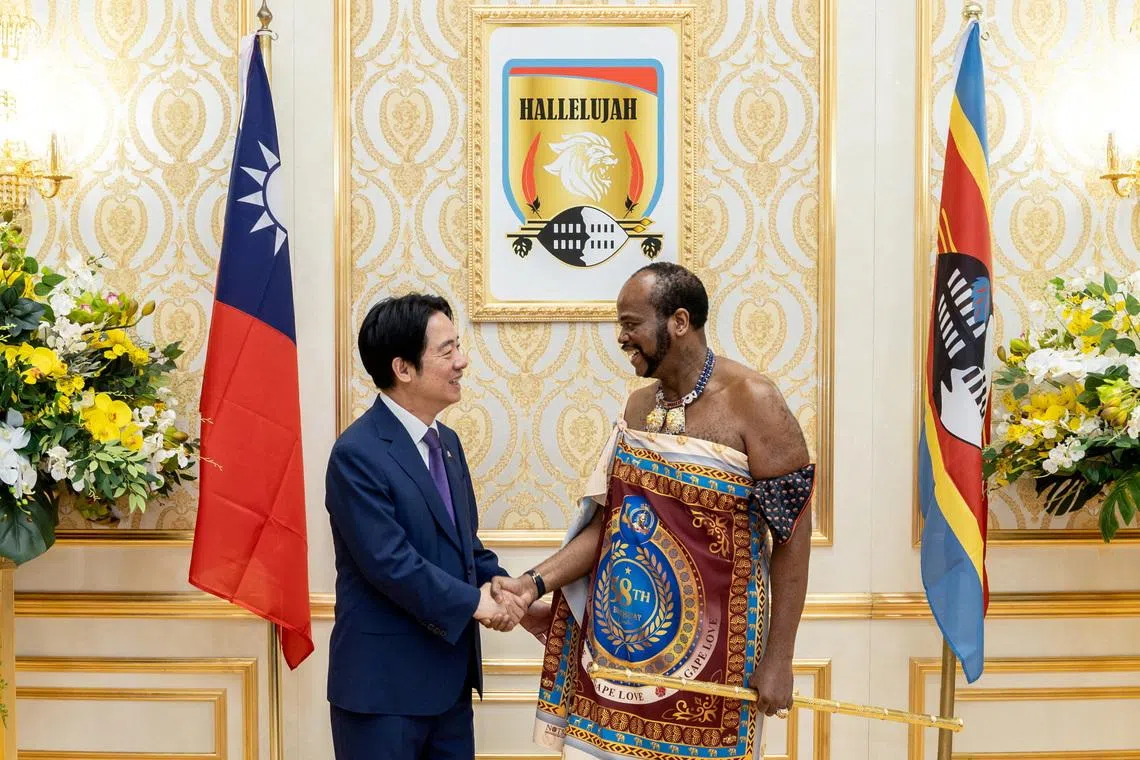
*TL;DR: The United States called Taiwan a “trusted and capable partner” while President Lai Ching‑te visited Eswatini, Taiwan’s sole diplomatic ally in Africa, prompting a sharp Chinese rebuke.
Context The United States reiterated its support for Taiwan amid escalating rivalry with China. The statement arrived as Taiwanese President Lai Ching‑te traveled to Eswatini, a kingdom that remains the only African nation maintaining formal diplomatic ties with Taipei. China, which claims Taiwan as its territory, routinely protests any official contact between the island and foreign governments.
Key Facts - The U.S. State Department described Taiwan as a “trusted and capable partner,” emphasizing the island’s contributions to partner nations such as Eswatini. - Eswatini is Taiwan’s only formal diplomatic ally on the African continent, making the visit both symbolic and strategically valuable for Taipei. - Chinese senior diplomat Wang Yi warned that Taiwan represents the “biggest point of risk” in U.S.–China relations, underscoring Beijing’s view of the island as a red line. - During the trip, King Mswati III praised Taiwan’s exclusion from the United Nations and highlighted the lack of representation for its 23 million people. The visit coincided with the 40th anniversary of the king’s accession, adding ceremonial weight. - U.S. officials framed the trip as routine, noting that Taiwanese leaders regularly meet with their remaining allies. They also pointed to past Chinese pressure that disrupted overflight permissions for Taiwanese officials.
What It Means The public endorsement signals Washington’s intent to keep Taiwan integrated into its Indo‑Pacific strategy, despite Beijing’s objections. By highlighting Taiwan’s role as a partner that delivers tangible benefits, the United States reinforces its position as Taipei’s primary international backer and a major supplier of defensive equipment. For Taiwan, preserving ties with Eswatini is critical as formal diplomatic recognition dwindles worldwide.
China’s condemnation reaffirms its red‑line stance and suggests that further official engagements could trigger heightened diplomatic friction. The episode illustrates how even routine diplomatic visits now carry amplified geopolitical weight in the U.S.–China rivalry.
Looking ahead, monitor how Beijing responds to future Taiwan outreach in regions where diplomatic space is limited, and whether the United States expands its public support beyond statements.
Continue reading
More in this thread
Conversation
Reader notes
Loading comments...