US Arrests Iraqi Militia Leader Linked to 18 Attacks and $10k Synagogue Plot
Details on the arrest of an Iraqi militia commander linked to 18 terrorist attacks in the UK, Europe and Canada and a $10,000 offer for synagogue bombings.
TL;DR
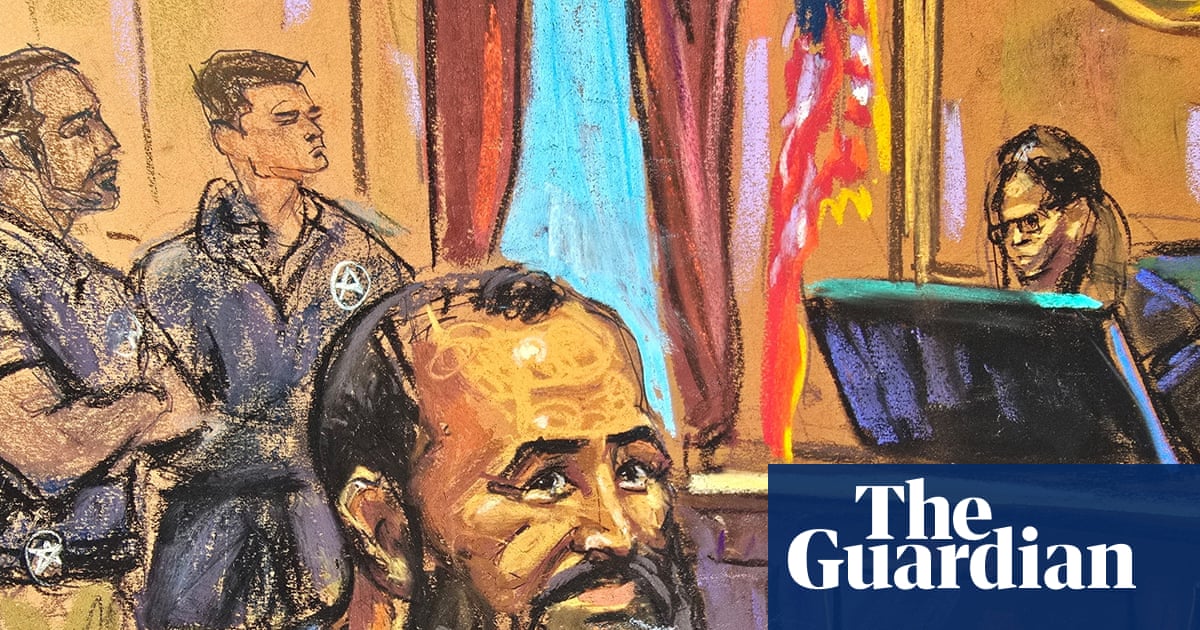
US officials arrested Mohammad Baqer Saad Dawood al‑Saadi, accusing him of directing 18 terrorist attacks in the UK, Europe and Canada and of offering $10,000 for attacks on synagogues and Jewish community centers.
Context The arrest stems from a complaint unsealed in a Manhattan federal court. Prosecutors say al‑Saadi, a 32‑year‑old Iraqi national, acted as a commander for an Iran‑backed militia that has operated since the start of the Iran war. The group, identified in the complaint as Harakat Ashab al‑Yamin al‑Islamia, has claimed responsibility for a series of low‑level attacks ranging from arson to shootings. Investigators note the militia’s ties to Iran’s Islamic Revolutionary Guard Corps, particularly its Quds Force, which has historically used proxies to conduct covert operations abroad. The alleged campaign intensified after the 2020 killing of Suleimani, with increased activity reported in 2023 and 2024.
Key Facts Al‑Saadi is alleged to have organized 18 separate attacks in the United Kingdom, continental Europe and Canada since the conflict began. These include firebombings of banks in France, Belgium, Germany and the Netherlands, an arson attack on a synagogue, a shooting at the US consulate in Toronto, and a wave of violence against Jewish sites in the UK, including the stabbing of two Jewish men in north London in April. In recorded conversations with an FBI informant and an undercover agent, al‑Saadi offered $10,000 for attacks on a synagogue and Jewish community centers, insisting the assaults be filmed. He also described ongoing operations in Europe as “going well” and said he did not need additional assistance there. Through his lawyer, al‑Saadi characterized himself as a political prisoner and a prisoner of war, claiming persecution by US authorities because of his association with Qassem Suleimani, the former commander of the Quds Force killed in a 2020 drone strike.
What It Means The case illustrates how state‑backed networks can employ criminal entrepreneurs to carry out deniable violence while maintaining layers of separation from the sponsoring government. It also highlights the continued use of encrypted platforms such as Snapchat and Telegram for recruitment and claim‑posting. Prosecutors will likely seek to demonstrate the link between al‑Saadi’s alleged directives and the specific attacks, while the defense may challenge the credibility of the informant testimony. Legal experts anticipate the case could set a precedent for prosecuting transnational proxy operations under existing terrorism statutes. Observers should watch for any forthcoming indictments, potential extradition requests, and how the case influences broader counter‑terrorism cooperation between the United States and European partners.
Continue reading
More in this thread
Conversation
Reader notes
Loading comments...