Iran Threatens War Resumption as Hormuz Blockade Hits US Costs
Iran says it will resume direct conflict if talks fail, warning that the Hormuz closure is driving U.S. energy prices and debt costs higher.
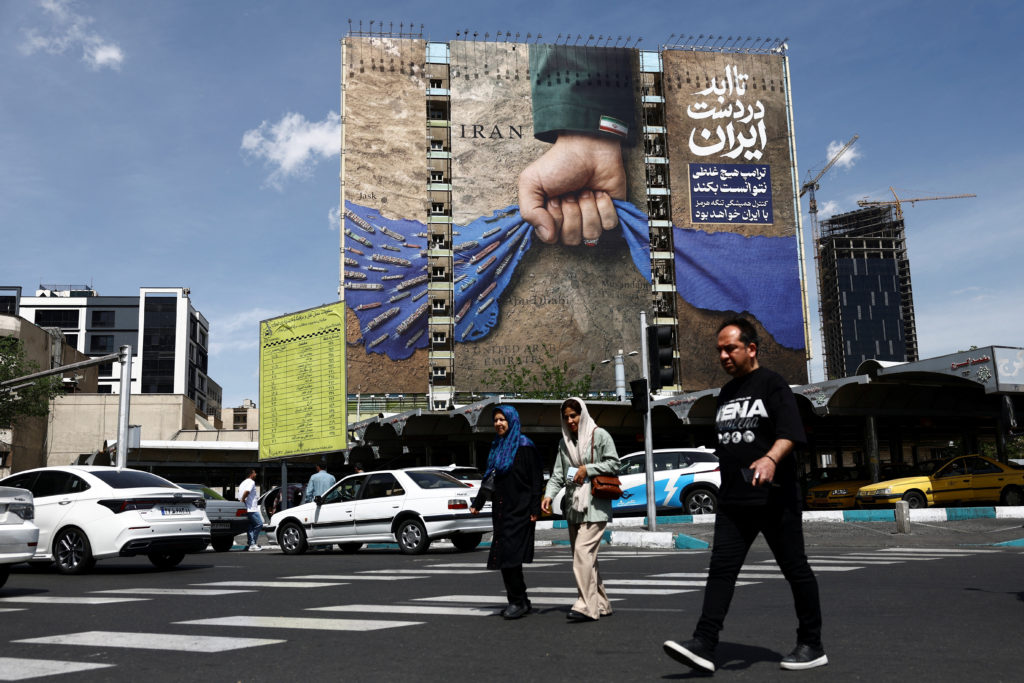
TL;DR: Iran vows to resume direct military action against the United States if negotiations collapse, while warning that the Hormuz shutdown is driving U.S. energy prices and debt costs higher.
Context Iranian Foreign Minister Abbas Araghchi told reporters that Tehran remains prepared to re‑engage in combat with the United States should diplomatic talks produce no acceptable outcome. The statement comes as the Strait of Hormuz—through which roughly one‑fifth of global oil and gas passes—remains effectively closed after the conflict began on Feb. 28.
Key Facts Araghchi posted on X that Americans are being forced to “absorb rocketing costs of war of choice on Iran.” He paired the message with a chart of rising U.S. Treasury yields, noting that higher bond yields translate into steeper mortgage and auto‑loan rates. Recent data show 10‑year Treasury yields at their highest level in a year, while the Treasury auctioned $25 billion of 30‑year bonds at a 5 % yield—levels not seen in two decades.
The Hormuz shutdown has cut off about 20 % of the world’s oil and gas shipments, tightening global energy markets and pushing U.S. gasoline prices upward. Araghchi warned that the resulting inflation will persist as long as the war threat remains, potentially sparking a recession through higher borrowing costs.
Iranian Parliament speaker Mohammad Bagher Ghalibaf added a mocking tone, highlighting the U.S. debt ceiling of $39 trillion and the premium the United States pays to fund what he called a “live‑action role‑playing” conflict in Hormuz. His comments followed the Treasury’s recent bond sales and the spike in benchmark yields.
What It Means The Iranian stance signals that any diplomatic breakthrough must address Tehran’s demand for sovereignty over Hormuz traffic—a point other Gulf states reject as the waterway is considered international. If talks stall, the risk of renewed missile or naval strikes rises, which could further disrupt oil flows and amplify U.S. inflation pressures.
U.S. policymakers will watch Treasury market reactions and energy price trends closely, while also gauging whether Beijing’s mediation offers a viable path to de‑escalation. The next round of talks, slated for early June, will test whether economic pressure or diplomatic incentives can shift Tehran’s hardline posture.
Continue reading
More in this thread
Warren Calls for SEC Review of Trump-Linked Crypto Loan Backed by $440 Million in Tokens
Nadia Okafor
Kentucky Primary Tests Podcaster Influence Against Pro‑Israel PAC Spending
Nadia Okafor
Nigeria’s ₦16 bn Cannabis Burn Draws Criticism as Canada’s Legal Market Generates Billions
Nadia Okafor
Conversation
Reader notes
Loading comments...