UN Warns Iran Conflict Could Push 32 Million Into Poverty, Seeks $6 Billion Aid
UNDP warns the Iran conflict may force 32 million people into poverty and seeks $6 billion in subsidies to protect vulnerable populations.
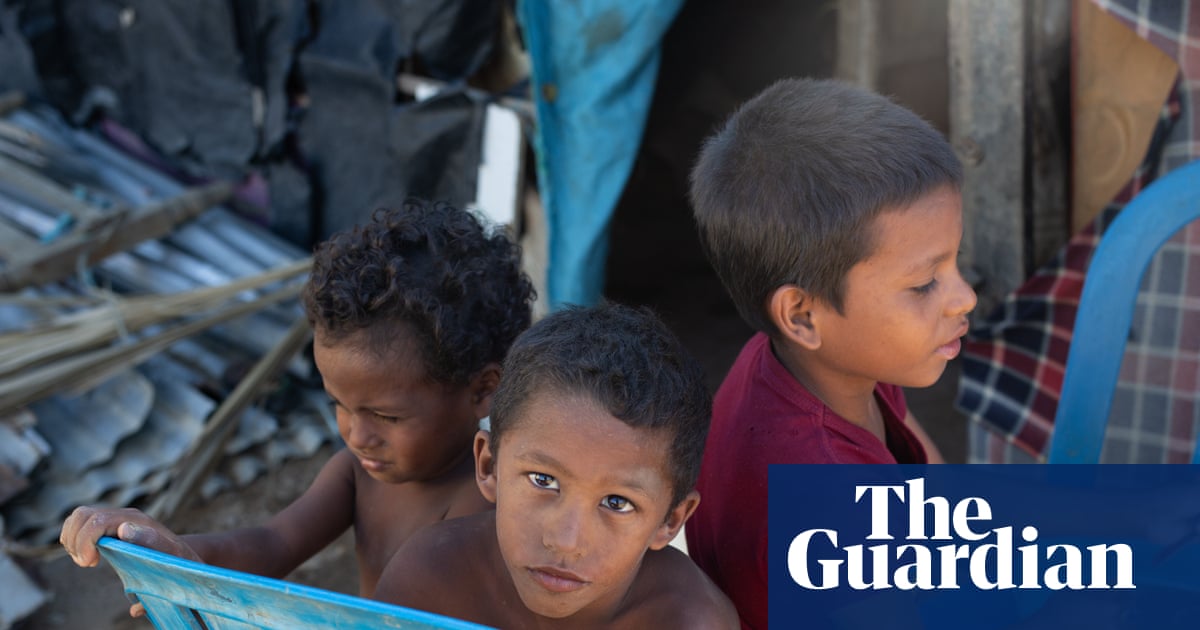
UN Warns Iran Conflict Could Push 32 Million Into Poverty, Seeks $6 Billion Aid
TL;DR
The UN Development Programme estimates the Iran war could drive 32 million people across 160 nations into poverty and urges $6 billion in subsidies to cushion the impact.
The United States and Israel’s war on Iran has sent global energy and fertilizer prices soaring. The conflict has shut the Strait of Hormuz, a chokepoint for roughly 20 % of the world’s oil and liquefied natural gas, disrupting supply chains that many developing economies rely on.
Former Belgian prime minister Alexander De Croo, now UNDP envoy, called the situation “development in reverse.” He said decades of economic progress can be erased in weeks of conflict, noting that even a six‑week war would push 32 million people into precarity – a state of severe vulnerability to basic needs.
The UNDP’s analysis spans 160 countries, with Sub‑Saharan Africa, Bangladesh, Cambodia and island nations identified as especially exposed. High energy costs and fertilizer shortages threaten food production, while reduced remittances from Gulf‑based workers risk further destabilising households.
To prevent a wave of new poverty, the UNDP calculates that $6 billion in targeted subsidies is required to shield the most vulnerable from soaring food and energy bills. De Croo highlighted that discussions are already underway at the International Monetary Fund and World Bank, though he warned that the war’s weekly cost of $9 billion dwarfs the proposed aid.
The crisis arrives as overall development assistance has fallen by more than 23 % this year, largely due to cuts from major donors such as the United States. Nations already grappling with fuel rationing, shortened work weeks and tax cuts may find their safety nets stretched beyond capacity.
If the aid package materialises, it could blunt the shock to households and avert broader social unrest. Without it, the risk of political instability and a deepening poverty trap grows.
What to watch next: negotiations at the IMF and World Bank over the $6 billion fund, and any shifts in the war’s trajectory that could alter global energy markets.
Continue reading
More in this thread
Mali Exodus: 13,000 Flee After Decapitations and Army‑Russian Assaults
Nadia Okafor
Fact Check: No Verified Law Removing Last Hereditary Peers from Lords
Nadia Okafor
Madagascar Jails French Ex‑Serviceman and Expels Diplomat Over Destabilisation Allegations
Nadia Okafor
Conversation
Reader notes
Loading comments...