Mali Exodus: 13,000 Flee After Decapitations and Army‑Russian Assaults
Over 13,000 Malians have fled to Mauritania amid reports of decapitations and army‑Russian attacks, prompting a historic African Union human‑rights case.
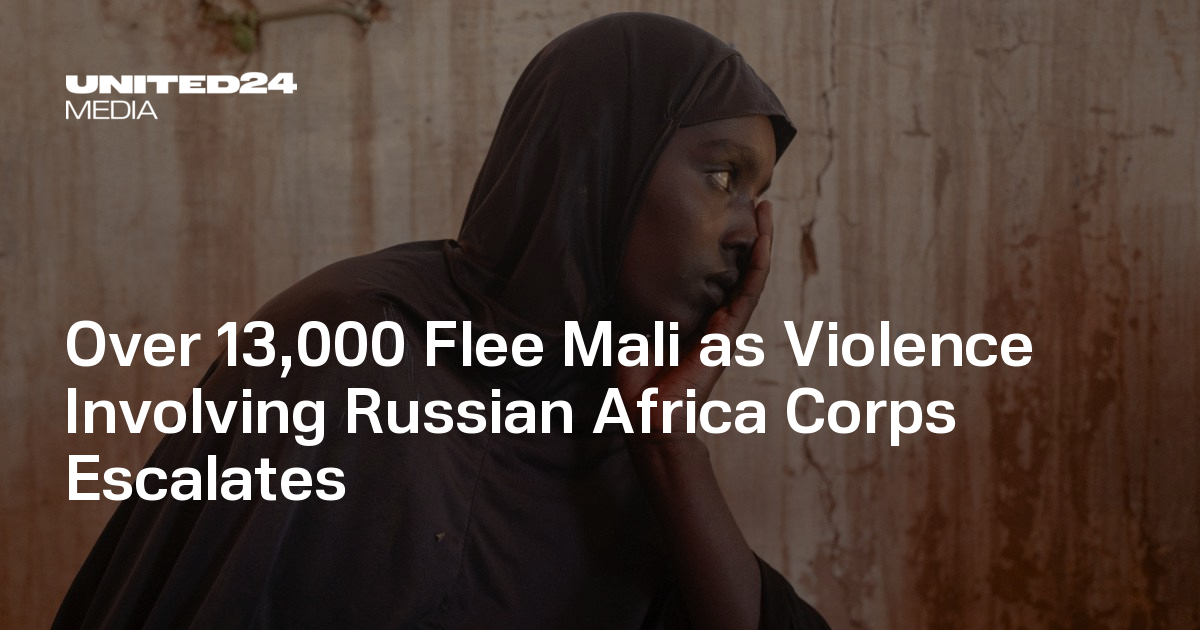
*TL;DR: More than 13,000 Malians have fled to Mauritania since October, citing decapitations and indiscriminate attacks by the Malian army and Russian fighters.
Context The Sahel’s deadliest conflict now forces civilians to choose between staying in villages under siege or risking a perilous trek across the desert. In late March, 75‑year‑old Moctar gathered his family in Sondaje, a northern village, after an ultimatum forced them to leave within 72 hours. The threat came from JNIM, an al‑Qaeda‑linked militia that rides motorbikes, observes evening prayers with locals, then issues departure orders.
Key Facts - Moctar described seeing heads mounted on chests, a scene that left “fear in the eyes” of survivors. - From October to April, at least 13,000 people crossed into Mauritania’s Douankara region and surrounding towns. - All parties—Malian army, Russian contractors, JNIM, ISIL‑affiliated groups, and local rebels—face accusations of collective punishment and civilian killings. - Analysts note the Malian army and its Russian allies have caused more civilian harm in the past two years than insurgent groups combined. - On April 20, three rights organizations filed a case at the African Union’s human‑rights court, seeking to hold Mali accountable for hiring foreign mercenaries who commit “serious human‑rights violations.”
What It Means The exodus underscores a conflict with no clear victor and a civilian population caught in a cycle of retaliation. The involvement of up to 2,000 Russian fighters, many formerly linked to the Wagner Group, adds a geopolitical layer that complicates accountability. As the African Union court prepares to hear the case, the legal precedent could reshape how states are judged for outsourcing violence. Watch for the court’s ruling and any shifts in international support for Mali’s security forces.
Continue reading
More in this thread
High Court Dismisses OfS £500,000 Sussex Fine, Highlighting Regulator’s Systemic Gaps
Nadia Okafor
High Court Overturns OfS £500,000 Fine on University of Sussex
Nadia Okafor
Nigel Farage’s £5 million crypto gift and £9 million party donation verified
Nadia Okafor
Conversation
Reader notes
Loading comments...