UK Unveils £120 million Boost for Ceramics Industry
Government pledges £120 million split between equipment upgrades and operating costs to revive the UK ceramics sector amid firm closures and rising energy costs.
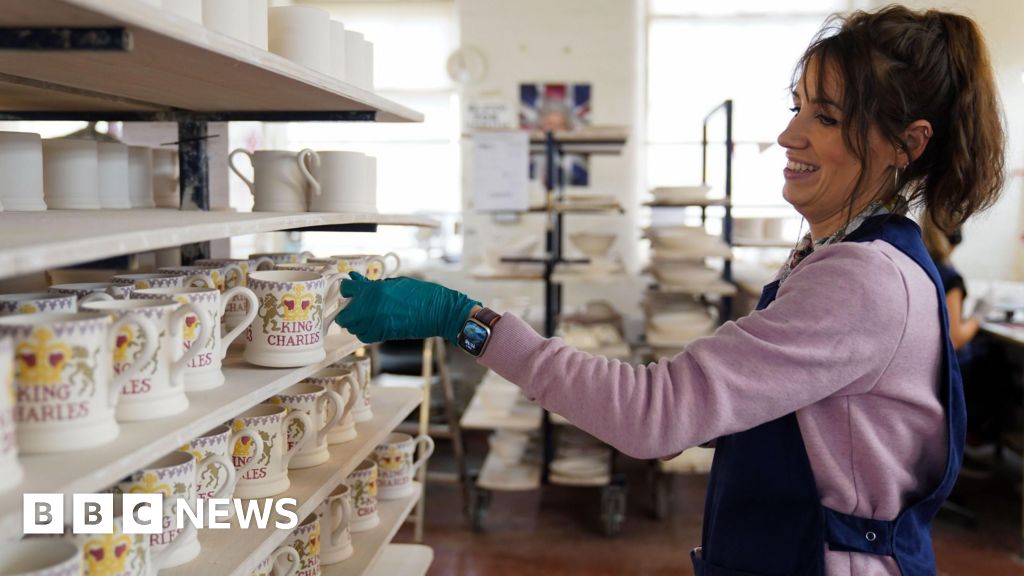
A woman with long brown hair, a purple top, blue apron and dark green gloves smiles as she places a mug on a shelving unit in a ceramics factory.
TL;DR: The UK government has allocated £120 million to the ceramics sector – £60 million for new equipment and £60 million for operating costs – aiming to stabilise jobs and modernise production.
The announcement arrives as north Staffordshire’s ceramic firms have slipped from 137 in 2018 to 123 in 2024, reflecting a broader squeeze from energy prices and overseas competition. Industry leaders welcomed the funding, calling it a long‑awaited lifeline for a historic manufacturing base.
Key facts: - The £120 million package is evenly divided: half will fund capital investment in energy‑efficient machinery, the other half will cover day‑to‑day operating expenses. - Ceramics UK, the sector’s trade body, will work with civil servants to design the rollout, ensuring funds target sustainability and long‑term resilience. - Business Secretary Peter Kyle highlighted the scheme’s role in protecting thousands of jobs and securing Britain’s supply chains for aerospace, defence, clean energy and electronics. - Chancellor Rachel Reeves stressed that chemicals and ceramics underpin economic resilience and skilled employment across the UK.
What it means: The infusion of capital aims to modernise production lines, reducing reliance on gas – which powers roughly 90 % of ceramic manufacturing – and cushioning firms against volatile energy markets. By subsidising operating costs, the government hopes to keep smaller manufacturers afloat, preventing further closures like the recent Denby Pottery administration that shed over 100 jobs.
Industry executives see the funding as a chance to extend the lifespan of firms that have operated for centuries. Rob Flello, chief executive of Ceramics UK, described the support as “a fantastic recognition of the importance of the UK ceramics industry” and emphasized the need to spend the money wisely to achieve maximum impact.
While the aid cannot reverse past losses, it provides a framework for growth in advanced technical ceramics, sanitaryware and refractory products, sectors that have seen a 35 % rise in supply‑chain turnover since 2018. Analysts will watch how quickly firms adopt new equipment and whether the operational grant curbs job cuts.
The next test will be the scheme’s implementation timeline and the proportion of funds that reach the most vulnerable manufacturers. Stakeholders will monitor job retention rates and energy‑use metrics over the coming year to gauge the package’s effectiveness.
Continue reading
More in this thread
Over 80 Jurisdictions Enforce VASP Rules as EU’s MiCA and DLT Pilot Drive Blockchain Compliance
Elena Voss
IEA Warns Oil Markets May Enter Red Zone This Summer as Reserves Remain Untapped
Elena Voss
UK Government Allocates £120m to Support Ceramics Sector as Firm Numbers Decline
Elena Voss
Conversation
Reader notes
Loading comments...