UK Government Allocates £120m to Support Ceramics Sector as Firm Numbers Decline
The UK government announces a £120 million support package for the ceramics sector, aiming to boost energy efficiency and preserve jobs as firm numbers in north Staffordshire continue to fall.
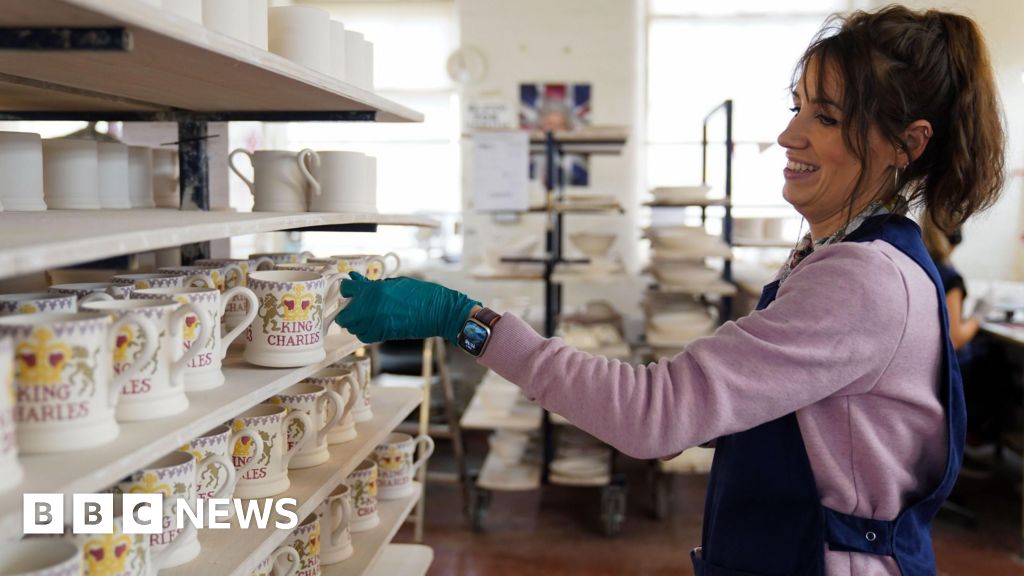
A woman with long brown hair, a purple top, blue apron and dark green gloves smiles as she places a mug on a shelving unit in a ceramics factory.
TL;DR
The UK government has pledged £120 million to prop up the struggling ceramics sector, aiming to boost energy efficiency and cover running costs. This comes as the number of ceramics firms in north Staffordshire fell from 137 in 2018 to 123 in 2024.
The ceramics industry in the UK, centred in Stoke‑on‑Trent and surrounding areas, supplies products ranging from tableware to high‑performance components used in aerospace, defence and clean‑energy applications. Rising gas prices, which account for about 90 % of energy use in ceramic manufacturing, have squeezed margins and forced several firms into administration.
Officials say the new funding will help businesses invest in modern, energy‑efficient equipment and offset day‑to‑day operating expenses, with the goal of preserving skilled jobs and long‑term viability. The package forms part of a wider effort to strengthen strategic manufacturing sectors amid global supply chain uncertainties.
The Treasury announced a £120 million package, split equally between £60 million for capital investment and £60 million for operational support. Rob Flello, chief executive of Ceramics UK, said he was delighted and described the money as a fantastic recognition of the industry’s importance. Official data show the number of ceramics firms in north Staffordshire dropped from 137 in 2018 to 123 in 2024.
The capital tranche could enable firms to upgrade kilns and dryers, reducing gas consumption and lowering production costs over time. The operational fund may help cover wages and overheads, potentially preventing further closures in the short term. Analysts note that while the aid addresses immediate cost pressures, long‑term competitiveness will also depend on overcoming overseas competition and securing stable energy supplies. Policymakers will likely review the scheme’s effectiveness after the first year of disbursements.
Watch for the rollout of the grant scheme later this year and any subsequent data on firm numbers, investment levels, and employment trends in the ceramics cluster.
Continue reading
More in this thread
Over 80 Jurisdictions Enforce VASP Rules as EU’s MiCA and DLT Pilot Drive Blockchain Compliance
Elena Voss
IEA Warns Oil Markets May Enter Red Zone This Summer as Reserves Remain Untapped
Elena Voss
NextEra's $66.8 Billion All-Stock Deal to Acquire Dominion Energy
Elena Voss
Conversation
Reader notes
Loading comments...