UK Inflation Jumps to 3.3% Amid Iran War's Fuel Price Surge
UK inflation reached 3.3% in March, fueled by an 8.7% jump in motor fuel prices due to the Iran conflict, creating new economic pressures.
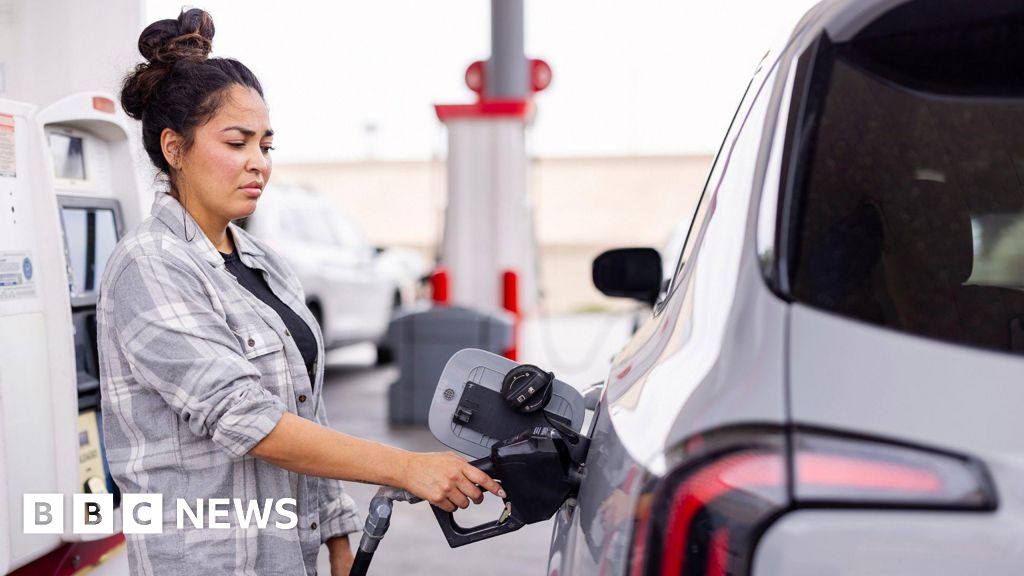
A woman in a grey checked shirt fills up a car at a petrol station.
TL;DR
UK inflation climbed to 3.3% in March, primarily driven by a significant surge in motor fuel prices linked to the conflict involving Iran. This increase affects household budgets and presents new challenges for economic policy.
Context The UK's inflation rate accelerated in March, directly reflecting global geopolitical shifts. Events in the Middle East, particularly the conflict involving Iran, have influenced international energy markets. This latest data provides a clear view of how international tensions translate into higher everyday expenses for British citizens.
Key Facts Consumer Price Index (CPI) inflation reached 3.3% year-on-year in March. This figure marks an increase from previous months, exerting greater pressure on household budgets. A primary factor in this rise was the cost of motor fuel, which saw an 8.7% month-on-month increase. This jump represents the largest single monthly rise for fuel since June 2022, underscoring the immediate impact of global oil market fluctuations on UK consumers. Wholesale energy prices, specifically crude oil, surged following the onset of the Iran conflict, directly flowing through to pump prices across the country. While fuel was the leading contributor, airfares and specific food categories also played a role in the overall inflation figure for the month.
What It Means This rise in inflation introduces new challenges for the UK economy. Chancellor Rachel Reeves addressed the situation, stating the Iran war is "raising costs for families and businesses" and reaffirmed that "reducing costs is her top priority." The Bank of England now faces a more complex environment. Higher energy costs could reduce discretionary spending for consumers and increase operational budgets for businesses. This scenario can slow economic activity while maintaining inflationary pressures, complicating decisions regarding interest rates.
What to Watch Observers will closely monitor upcoming inflation reports and the Bank of England's Monetary Policy Committee decisions for signals on interest rate policy. The broader economic impact of sustained energy price pressure, particularly on consumer spending and business investment, will unfold in the coming months.
Continue reading
More in this thread
Conversation
Reader notes
Loading comments...