UK Firm CPG Announces 50,000 Solar-Powered AI Lampposts for Nigeria
CPG’s deal with a Nigerian state to install 50,000 solar‑powered iLamp units creates a distributed AI data centre, with revenue sharing after three years and potential edge‑computing uses.
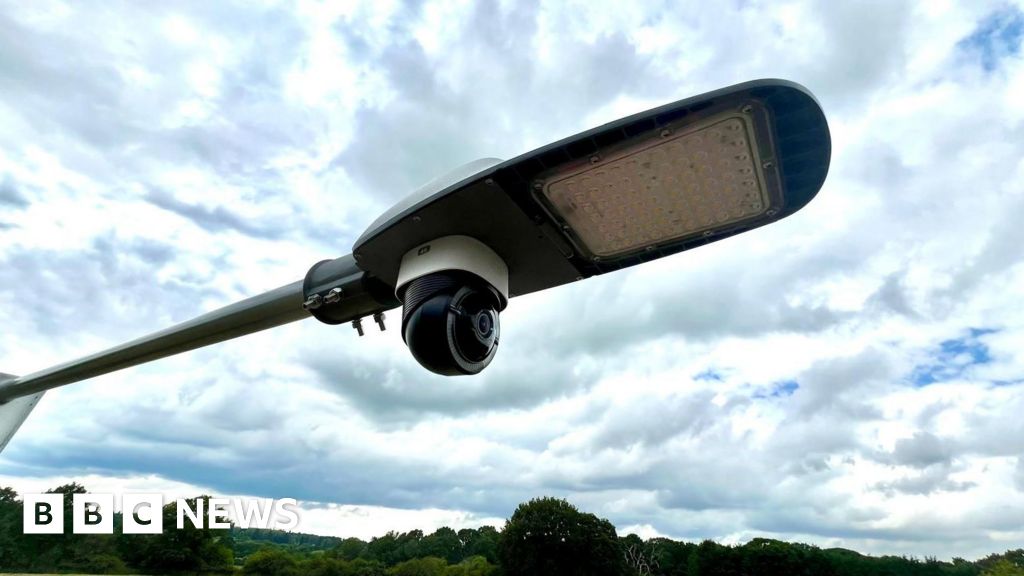
An iLamp, looking up at the light-emitting surface of the streetlight, with clouds and trees seen beyond
TL;DR: Conflow Power Group (CPG) has agreed with a Nigerian state to install 50,000 solar‑powered iLamp units that double as a distributed AI data centre. After three years CPG will take a 20 % share of the revenue generated in Katsina.
Context CPG, based in Warwickshire, describes each iLamp as a streetlight with a solar panel, battery and a low‑power computer. The firm says that when thousands of these units are networked they can collectively provide processing power comparable to a small data centre while drawing no electricity from the grid. The concept follows earlier experiments with underwater and space‑based data centres, but uses widely available street‑level infrastructure.
Key Facts - CPG signed a formal agreement with the Nigerian state to deploy 50,000 solar‑powered iLamp units. - Chairman Edward Fitzpatrick said NVIDIA produced a 15‑watt chip that can run on solar power and fit inside a streetlight. - After three years of operation in Katsina, CPG will receive a 20 % share of the revenue from the iLamps. - Each iLamp includes batteries charged by a cylindrical solar panel and can host AI‑enabled cameras for traffic monitoring, facial recognition and public interaction. - The units will be manufactured in Morocco, Taiwan and Latvia, with an assembly plant under construction in Katsina.
What It Means The project offers a way to bring AI computing closer to users in regions with abundant sunshine and limited grid reliability. Experts note that while the lampposts cannot replace large centralised data centres for intensive AI training, they could serve as edge nodes for lighter workloads such as traffic analysis or local AI services. Revenue sharing after the initial period creates a long‑term financial incentive for both CPG and the host state. Security concerns remain, as the valuable chips could attract theft; CPG says the chips are designed to be rendered inoperable if removed.
What to watch next Observers will monitor whether the 50,000‑unit rollout proceeds on schedule, how local authorities manage data privacy and surveillance features, and whether the revenue‑share model proves sustainable after the three‑year mark.
Continue reading
More in this thread
Conversation
Reader notes
Loading comments...