From Hobbyist PCs to AI‑Driven Workflows: A Half‑Century of Tech Evolution
Explore how PCs evolved from hobbyist kits to AI systems that write emails and code, driven by telecom deregulation, broadband and generative AI.
TL;DR
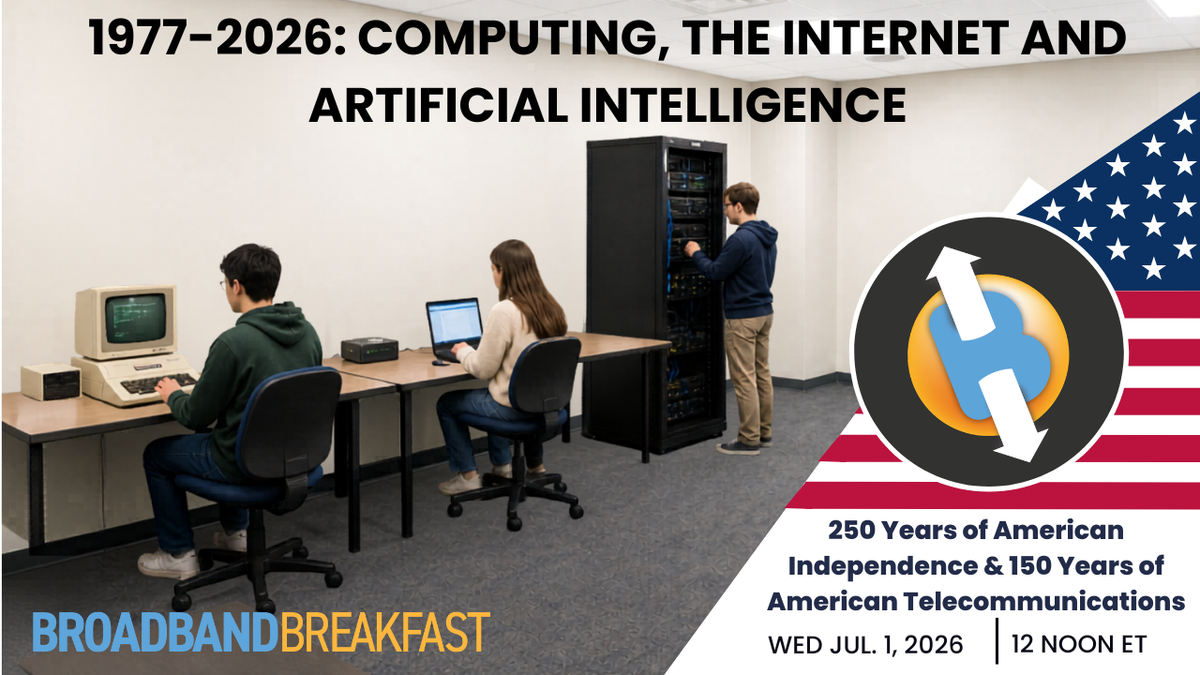
Personal computers have gone from hobbyist kits in 1976 to AI systems that draft emails and generate software today, a shift driven by regulatory change, broadband rollout and generative‑AI breakthroughs.
Context The 250th anniversary of American independence offers a moment to review the last 50 years of technology. In 1976, the personal computer was a niche project for enthusiasts, far from the mass‑market devices that dominate homes and offices. Over the next five decades, three forces—telecommunications deregulation, the rise of broadband, and the emergence of large language models—redefined how people work, communicate and create.
Key Facts - The 1996 Telecommunications Act dismantled the monopoly of the former Bell system, opening the market to competition and spurring investment in high‑speed networks. - The dot‑com boom of the late 1990s accelerated the commercial Internet, turning the ARPANET’s research platform into a global marketplace. - Broadband deployment in the 2000s replaced dial‑up connections, enabling always‑on, high‑capacity links that supported video, cloud services and the early stages of mobile data. - Net‑neutrality debates in the 2010s highlighted the tension between open access and the control of traffic by large providers, shaping policy that still evolves today. - The launch of ChatGPT and similar large language models in the early 2020s marked the arrival of generative AI capable of writing emails, producing code and automating routine tasks across sectors.
What It Means The trajectory from hobbyist PCs to AI‑powered workflows illustrates how regulatory shifts can unlock infrastructure, which in turn fuels new applications. The 1996 Act’s market opening created the competitive environment that made broadband affordable, and broadband’s capacity made cloud‑based AI services viable. Today, AI tools are not experimental add‑ons; they are integral to productivity, reducing manual drafting time and accelerating software development cycles.
Looking ahead, the next phase will test the balance between innovation and oversight. Policymakers must address AI’s impact on labor markets, data privacy and the resilience of the underlying network. Observers should watch how emerging standards for AI transparency and broadband upgrades intersect, shaping the next 150 years of American telecommunications.
Continue reading
More in this thread
Conversation
Reader notes
Loading comments...