UK-EU agriculture deal set to scrap veterinary certificates and boost Scottish shellfish exports
The new UK-EU agriculture agreement eliminates physical checks and £200 veterinary certificates, aiming to boost Scottish shellfish exports and ease trade burdens.
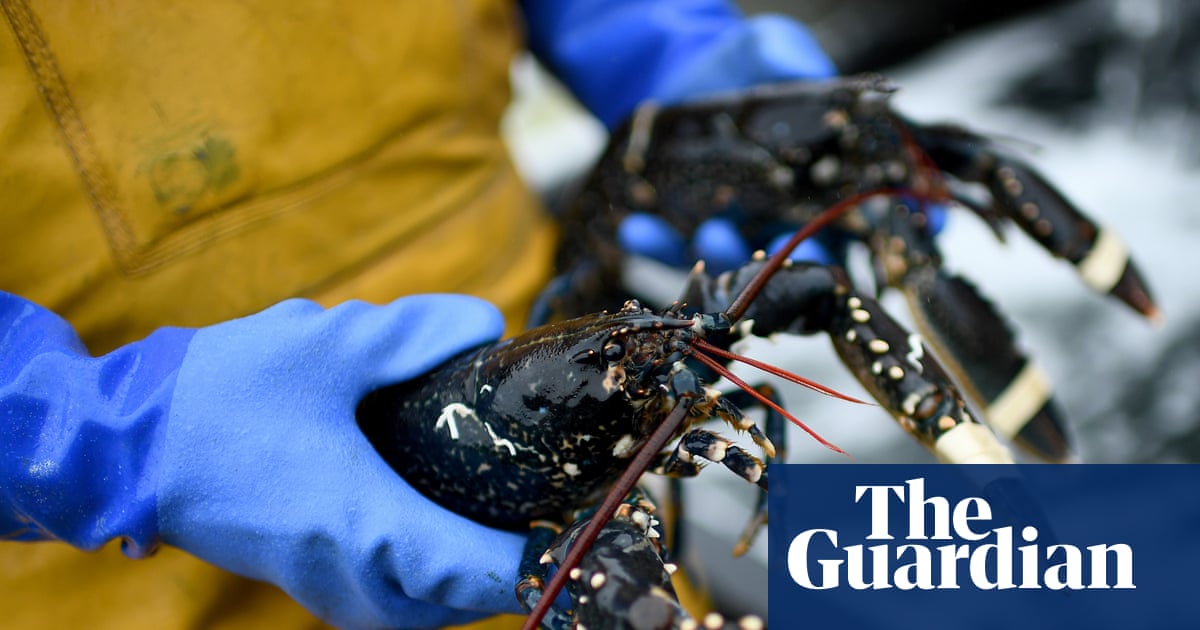
A new UK-EU agriculture agreement aims to reduce post-Brexit trade barriers. It will eliminate physical checks and costly veterinary certificates, potentially revitalizing Scottish shellfish exports.
The United Kingdom and European Union are finalizing a sanitary and phytosanitary (SPS) agreement, designed to ease trade in farm produce. This deal targets reducing some of the trade friction experienced since the UK's departure from the EU.
This agreement would eliminate physical checks on farm produce shipments between the UK and EU. It also removes the requirement for veterinary certificates, each costing £200, a significant expense for exporters. William Bain, head of trade policy at the British Chambers of Commerce, stated this agreement could reopen export opportunities for Scottish langoustines and molluscs.
Before Brexit, Scottish seafood could reach European diners within a day, a speed that diminished due to new border checks. The UK holds a notable position in this trade relationship, receiving approximately 23% of the EU's global agrifood exports. Conversely, a significantly smaller volume flows from the UK to the EU. While this deal streamlines some processes, exporters will still complete customs, VAT (Value Added Tax), and safety and security declarations.
The impending agreement signals a specific reduction in administrative and financial burdens for certain sectors. For example, the potential removal of the "Not for EU" label requirement for wholesalers could also simplify logistics. This targeted intervention aims to improve the flow of goods, particularly benefiting industries like Scottish seafood, which faced substantial challenges post-Brexit. The agreement, though not comprehensive, marks a step in adjusting the UK-EU trade landscape.
Stakeholders now await the agreement's finalization and its immediate impact on trade flows, especially for affected agricultural and seafood sectors.
Continue reading
More in this thread
Deutsche Telekom Considers Record‑Breaking Full Merger with T‑Mobile US
Elena Voss
Rollins Q1 2026 Earnings Preview: Revenue Near $895 Million, EPS at 24 Cents
Elena Voss
UK-EU agriculture deal to end physical checks and £200 vet certificates, but most Brexit paperwork remains
Elena Voss
Conversation
Reader notes
Loading comments...