UK-EU agriculture deal to end physical checks and £200 vet certificates, but most Brexit paperwork remains
A new UK-EU agreement will end physical checks and £200 vet certificates for farm produce, but significant Brexit paperwork remains. Learn what it means for exporters.
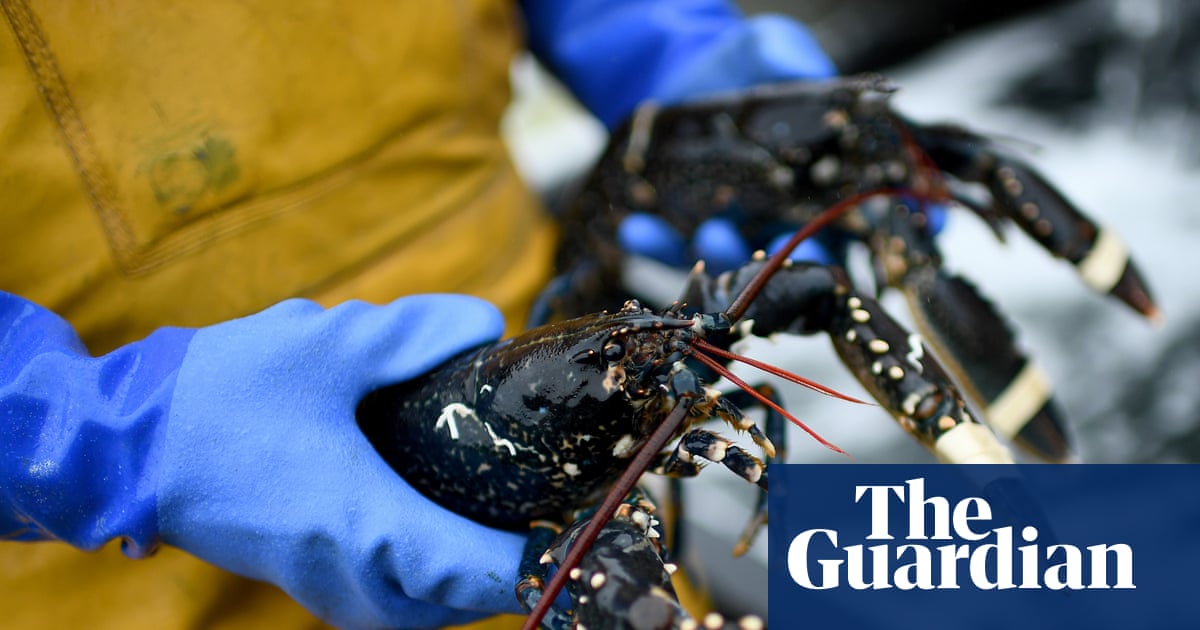
A new UK-EU agriculture deal seeks to streamline trade by eliminating physical checks and £200 veterinary certificates for farm produce. However, most Brexit paperwork, including customs and VAT declarations, will still apply for British exporters.
The UK and EU are nearing a sanitary and phytosanitary (SPS) agreement, designed to ease post-Brexit trade barriers for agricultural goods. This deal aims to remove physical inspections on farm produce and end the requirement for costly veterinary certificates. These changes could notably revive specific exports, such as Scottish langoustines and molluscs, which previously faced significant delays at borders impacting their shelf life.
Currently, each veterinary certificate for farm produce carries a £200 cost, a burden the new agreement intends to lift. This measure could also eliminate the need for "Not for EU" labels, which created a significant challenge for wholesalers and distributors. While these proposed changes offer some relief, British businesses exporting to the EU will still complete customs, VAT, and safety and security declarations.
Negotiations also involve reaching an accord on 76 laws where the UK and EU have diverged in farm food regulations. Experts suggest the UK possesses considerable commercial influence in these discussions. Approximately 23% of the EU’s global agrifood exports find their destination in the UK, underscoring this economic weight. Shanker Singham, Chair of the Growth Commission, urged using this leverage, stating, "If you don’t ask, you don’t get."
Singham proposes the UK could pursue "mutual recognition" of food standards, a system used by New Zealand and Australia, rather than "dynamic alignment," which involves adopting future EU rules. Other trade experts, such as Sam Lowe from Flint Global, highlight that dynamic alignment could virtually eliminate physical inspections. The EU currently benefits from the UK's recognition of its rules, making any concessions on their part a significant shift.
The focus now shifts to the finalization of this agreement and its practical implementation for businesses across the UK.
Continue reading
More in this thread
Deutsche Telekom Considers Record‑Breaking Full Merger with T‑Mobile US
Elena Voss
Rollins Q1 2026 Earnings Preview: Revenue Near $895 Million, EPS at 24 Cents
Elena Voss
UK-EU agriculture deal set to scrap veterinary certificates and boost Scottish shellfish exports
Elena Voss
Conversation
Reader notes
Loading comments...