UK Considers Joining EU’s €90 Billion Ukraine Loan to Boost Jobs and Ties
UK says joining EU’s €90 bn Ukraine loan would aid defence, create jobs and improve ties; details expected after EPC summit in Armenia.
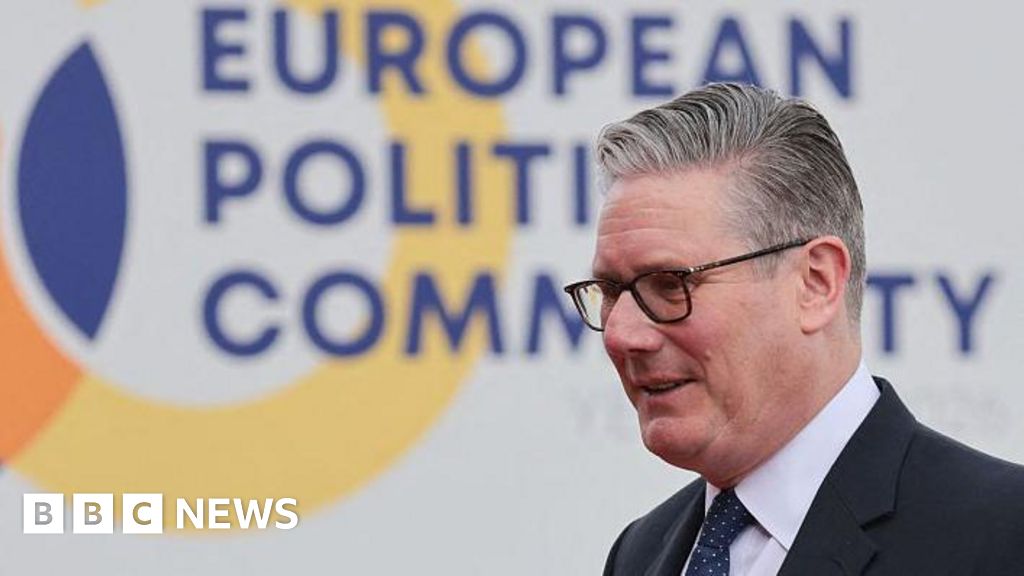
Sir Keir arrives at the summit, walking with the signage "European Political Community" behind him
TL;DR: The UK is exploring participation in the EU’s €90 billion loan programme for Ukraine, saying it would aid Kyiv’s defence, create domestic jobs and improve UK‑EU relations. Final details are expected after talks at the European Political Community summit in Armenia.
Context: The EU finalised a €90 billion loan facility for Ukraine last month after Hungary lifted its veto, enabling the bloc to lend the sum over two years. Two‑thirds of the money is earmarked for defence equipment and the remainder for broader financial assistance. The loan is described by Ukrainian officials as vital for sustaining resistance in the fifth year of the war.
Key Facts: - Starmer told reporters that joining the loan would be “very good” for Ukraine because it would deliver capabilities Kyiv desperately needs. - He added that the same capability would translate into jobs for UK firms involved in supplying materiel. - The prime minister said participation would also strengthen UK‑EU ties, which he views as important ahead of wider discussions. - EU leaders approved the loan after Hungary withdrew its objection, clearing the final hurdle. - The UK government said it is “discussing participating” and is ready to do the necessary work with allies. - Downing Street indicated further sanctions on Russian companies are likely this week to disrupt military supply chains. - At the EPC summit, Starmer will also discuss Middle East security, including the Strait of Hormuz, with European partners.
What It Means: If the UK joins the scheme, British defence contractors could see new contracts, potentially boosting employment in sectors such as aerospace and shipbuilding. Aligning with the EU loan also signals a pragmatic reset of post‑Brexit cooperation without reversing the 2016 referendum outcome. Opposition parties have criticised any move that appears to cede regulatory autonomy, though the government stresses that no new EU law adoption is involved. The initiative may also deepen coordination on sanctions and regional security issues beyond Ukraine.
What to watch next: Officials will announce whether the UK signs onto the loan after the EPC talks, and any accompanying job‑creation estimates. Watch for the forthcoming sanctions package on Russian firms and the outcomes of the Middle East security dialogue at the summit.
Continue reading
More in this thread
Conversation
Reader notes
Loading comments...