UK Biobank Data Found for Sale on Alibaba, Government Confirms
UK Biobank says half a million participants' health data appeared for sale on Alibaba; officials confirm no purchases were made and the files were removed.
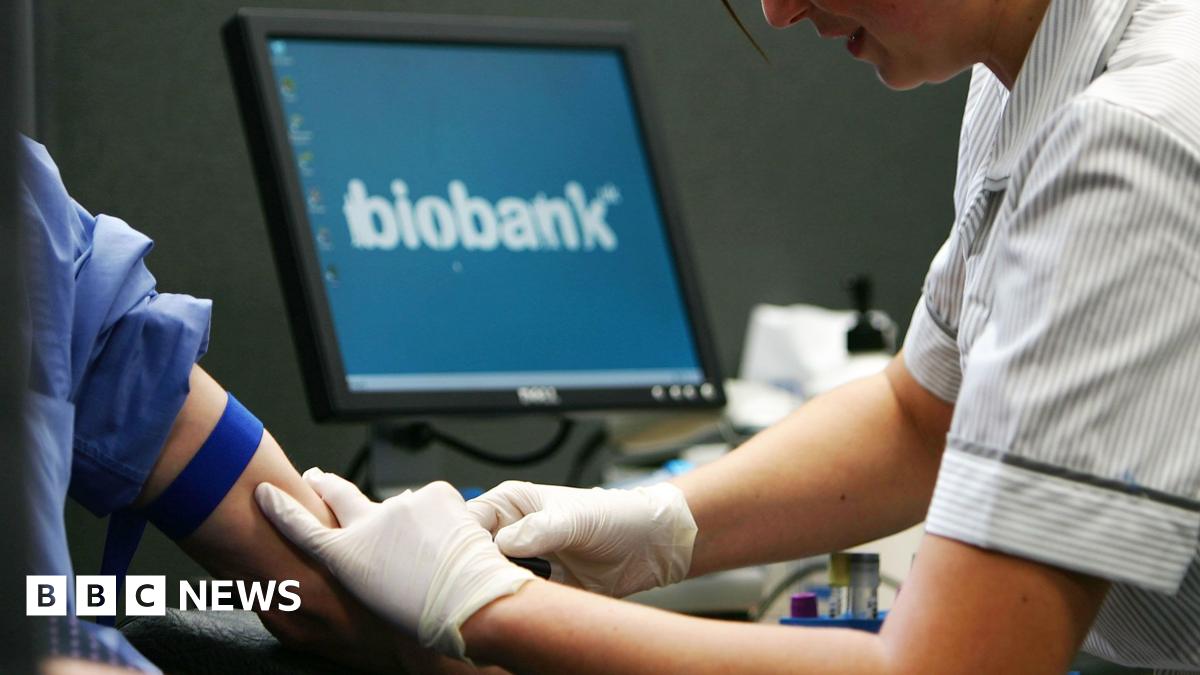
Nurse taking blood from person as biobank logo appears on screen in background.
TL;DR: UK Biobank confirmed that health information from half a million volunteers appeared for sale on a Chinese e‑commerce site, though the data were stripped of direct identifiers. The government says no purchases were made and the files were quickly removed.
UK Biobank is a prospective cohort study that enrolled 500,000 adults aged 40 to 69 between 2006 and 2010, collecting lifestyle questionnaires, physical measurements, blood samples, genetic data and imaging. Over two decades it has generated more than 18,000 peer‑reviewed papers, mostly observational, meaning they reveal correlations but not causation. The data are stored de‑identified, with names, addresses and NHS numbers removed.
Technology minister Ian Murray told MPs that the full dataset was found listed for sale on Alibaba, a Chinese online marketplace. He said the charity that runs UK Biobank reported the breach on Monday and that the listings did not include personal identifiers but could contain age, sex, birth month and year, socioeconomic status, lifestyle habits and results from biological samples. Prof Naomi Allen, the Biobank’s chief scientist, stated that the leak stems from rogue researchers who downloaded the data legitimately and then offered it for sale. Murray added that no purchases were recorded and Alibaba removed the files swiftly after being notified by UK and Chinese authorities.
For participants, the risk of re‑identification remains low because direct identifiers were stripped, yet the incident highlights the need for tighter controls on how approved researchers export and share large data files. Practically, volunteers should continue to trust that their contributions support disease research while staying alert to any future communications from UK Biobank about data security. The episode also serves as a reminder that observational cohort studies can reveal patterns that guide hypotheses, but experimental trials are needed to confirm cause‑effect relationships.
Watch for the upcoming forensic board‑led investigation and any policy changes that may limit file‑size exports or increase monitoring of data transfers from the Biobank platform.
Continue reading
More in this thread
£14m Green Overhaul Set to Slash Tameside Hospital Emissions by 2,000 Tonnes Annually
Dr. Priya Sharma
Welsh Health Spotlight: Melanoma Risks, Brain Sag Symptoms, and SMA Diagnosis Gaps
Dr. Priya Sharma
Heroic rescues and a poison plot dominate Welsh news: baby saved from fire, teen steers car after mum faints, man admits lethal chemical attacks
Dr. Priya Sharma
Conversation
Reader notes
Loading comments...