UAE Plans Hormuz‑Bypass Pipeline to Double Oil Export Capacity by 2027
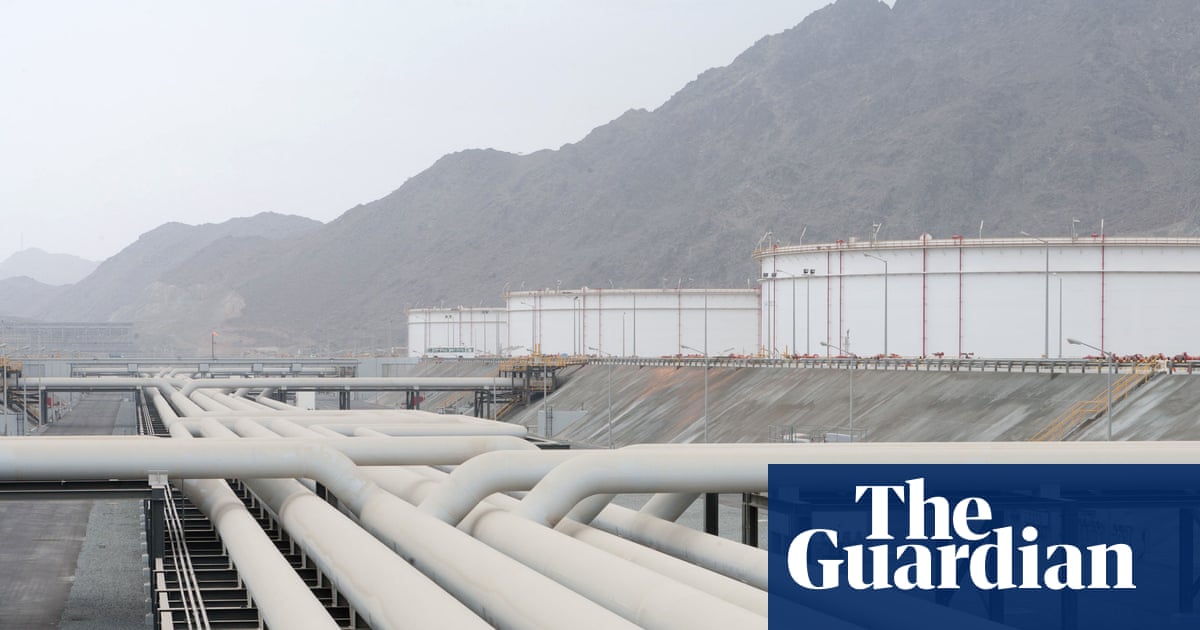
The UAE announced a new Hormuz‑bypass oil pipeline slated for completion by late 2025, set to double crude export capacity to 3.6 million barrels per day with flow to Fujairah port expected in 2027.
TL;DR
The UAE said it will finish a new oil pipeline that skirts the Strait of Hormuz by the end of next year. The line is slated to double the country’s crude export capacity from 1.8 million to about 3.6 million barrels per day, with flow to Fujairah port expected in 2027.
Context
The Strait of Hormuz moves roughly one‑fifth of global seaborne oil and gas shipments. Recent tensions have kept the waterway under intermittent threat, prompting Gulf states to seek alternative export routes. The UAE already relies on the Habshan‑Fujairah pipeline, which transports up to 1.8 million barrels daily to the Gulf of Oman. This existing line has been a lifeline during past Hormuz disruptions, allowing crude to reach international markets without transiting the strait. The UAE and Saudi Arabia remain the only Gulf producers with pipelines that export crude outside the narrow waterway.
Key Facts
Abu Dhabi’s crown prince has ordered the state oil company to accelerate the previously undisclosed bypass project. Officials state the pipeline will be completed by late 2025 to shield exports from any future Hormuz blockage. While the exact diameter has not been published, the planned capacity would effectively double the UAE’s current export ceiling to roughly 3.6 million barrels per day. The project represents the UAE’s second major Hormuz‑bypass line, complementing the existing Habshan‑Fujairah route. Officials have described the effort as a strategic safeguard rather than a response to any immediate outage.
What It Means
Doubling export capacity gives the UAE greater flexibility to sustain output even if Hormuz remains volatile. It also narrows the infrastructure gap with Saudi Arabia, which can move about seven million barrels daily via its Red Sea pipeline to Yanbu. The initiative follows the UAE’s recent exit from OPEC, a move that underscores its intent to set production levels independently of cartel quotas. By securing an additional export route, the UAE aims to protect its revenue streams regardless of regional diplomatic shifts. Market participants will likely monitor how the added capacity influences crude pricing dynamics in the coming years.
Looking ahead, analysts will watch the pipeline’s construction milestones, any regulatory approvals needed, and the eventual impact on regional oil prices as the project nears completion in 2027.
Continue reading
More in this thread
Conversation
Reader notes
Loading comments...