UAE to Double Oil Export Capacity with New Hormuz‑Bypass Pipeline by 2027
UAE will finish a new Hormuz‑bypass pipeline by 2027, boosting oil exports to 3.6 million barrels per day and reducing reliance on the strait.
TL;DR
The UAE will complete a new pipeline that bypasses the Strait of Hormuz by 2027, doubling its export capacity to about 3.6 million barrels per day.
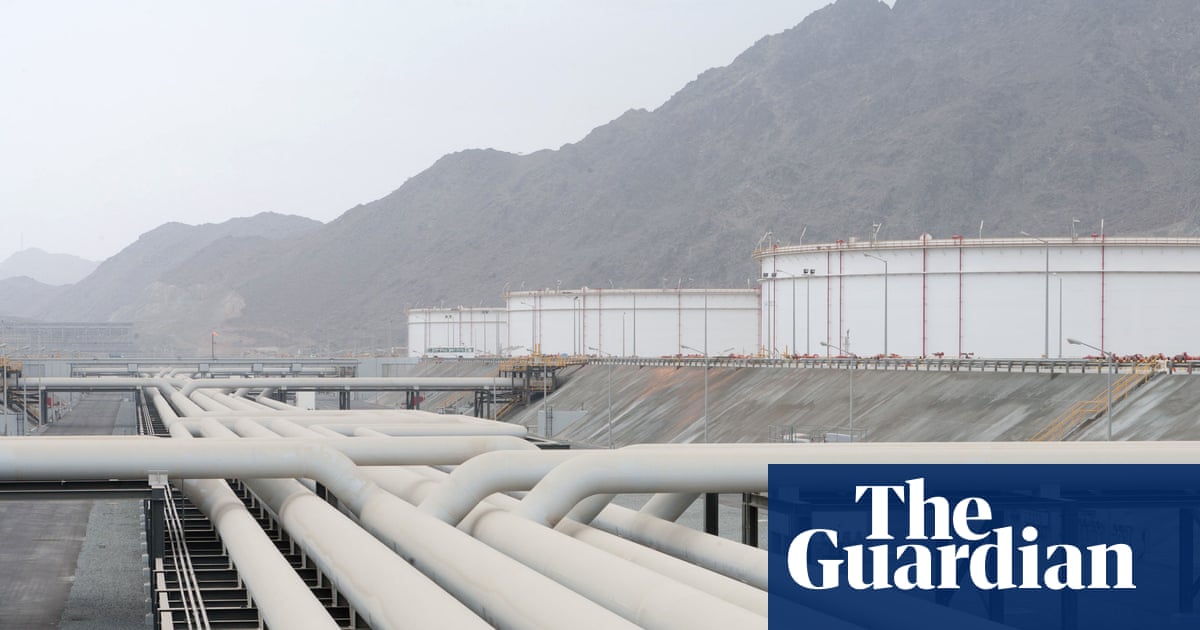
Context A blockade of the Strait of Hormuz, through which roughly 20 % of global oil and seaborne gas previously moved, has lingered for over ten weeks, pushing energy prices higher and straining Gulf economies. The United Arab Emirates, a major oil producer, announced a fast‑track plan to finish a second pipeline that routes crude to the port of Fujairah on the Gulf of Oman, outside the contested waterway.
Key Facts - The new line will join the existing Habshan‑Fujairah pipeline, which carries up to 1.8 million barrels per day. Together they will move roughly 3.6 million barrels per day, effectively doubling the UAE’s pipeline‑based export capacity. - Construction is being accelerated under the direction of Sheikh Khaled bin Mohamed bin Zayed Al Nahyan, Abu Dhabi’s crown prince, with a target to start shipments by 2027. - The project was disclosed only weeks after the UAE exited OPEC, the oil‑producing cartel it had joined for six decades. Leaving OPEC frees the UAE to increase output beyond the group’s future quota limits. - The pipeline will be the second Gulf‑wide route that avoids the Hormuz strait; Saudi Arabia remains the only other regional producer with a comparable export corridor.
What It Means By securing a land‑based export channel, the UAE insulates its oil sales from geopolitical disruptions that could close the strait. The added capacity narrows the gap with Saudi Arabia’s roughly 7 million‑barrel‑per‑day pipeline network, positioning the UAE to expand market share even if the Hormuz blockade persists. The move also signals a strategic shift following the UAE’s departure from OPEC, suggesting a willingness to pursue independent production and export policies.
Looking Ahead Watch for the pipeline’s commissioning schedule, the impact on global oil pricing, and how the UAE’s independent export strategy reshapes its relationship with OPEC and regional rivals.
Continue reading
More in this thread
Conversation
Reader notes
Loading comments...