UAE to Leave OPEC in May as Iran Conflict Opens Solo Path
The United Arab Emirates will leave OPEC in May, using the Iran war as a chance for independent oil policy. Implications for markets and OPEC are explored.
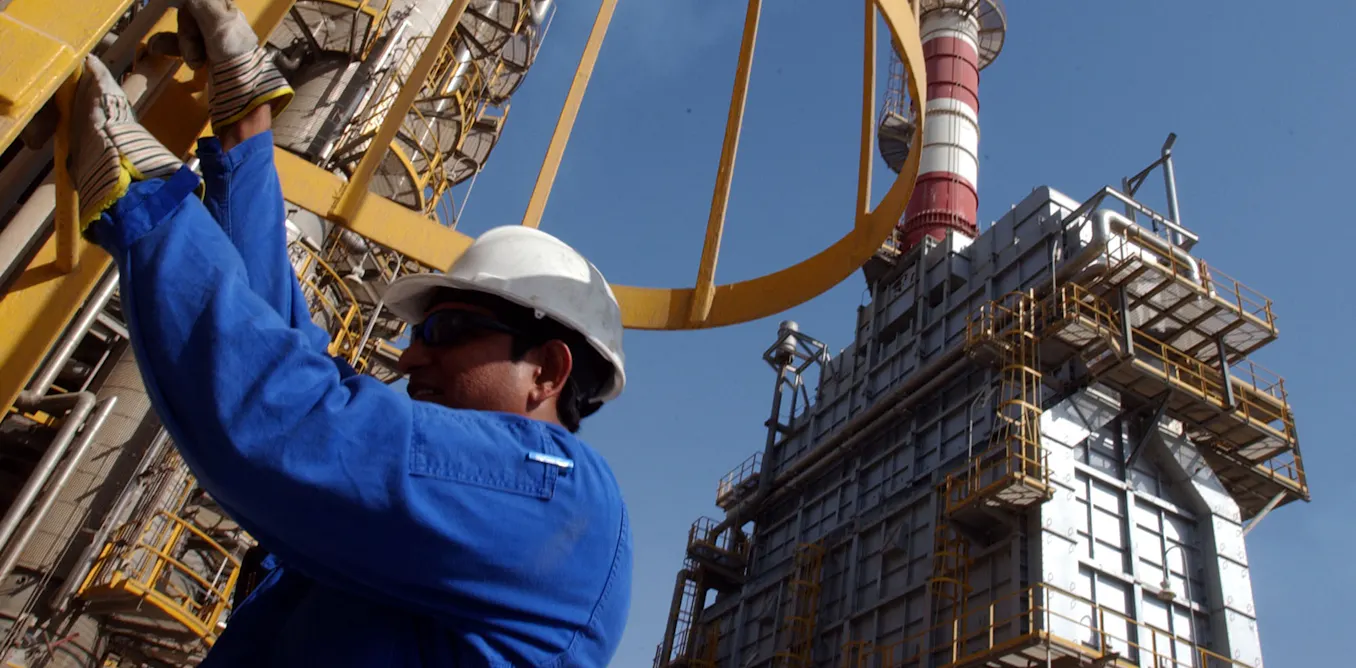
TL;DR: The United Arab Emirates will quit OPEC in May, using the Iran war as a catalyst for an independent oil strategy.
The decision arrives as the Middle East grapples with a widening conflict between Iran and its regional rivals. The UAE’s move marks the first OPEC departure since the organization’s 1960 founding, signaling a shift in the cartel’s cohesion.
Key facts: - The United Arab Emirates will formally leave OPEC in May 2026. - The announcement follows a New York Times analysis that the war with Iran created a strategic opening for the UAE to act outside the cartel. - The timing coincides with heightened geopolitical tension that could disrupt supply chains and price stability.
What it means: The UAE’s oil sector accounts for roughly 30 % of OPEC’s total output. By exiting, the emirate gains freedom to set production levels without needing consensus from member states. This autonomy could allow the UAE to respond more quickly to market signals, potentially increasing output when prices rise or cutting back during oversupply.
For OPEC, the loss of a major producer weakens its ability to coordinate quotas and maintain price discipline. The cartel may need to renegotiate remaining members’ commitments or risk a fragmented market. Analysts warn that reduced coordination could amplify price volatility, especially if the Iran conflict spills into neighboring oil fields.
International buyers will watch how the UAE balances its new independence with existing long‑term contracts. Energy traders may adjust hedging strategies to account for a possible surge in UAE‑origin crude, which is known for its low‑sulfur, high‑quality grade.
The broader oil market could see a realignment of supply sources. If the UAE ramps up production, it may compete directly with Saudi Arabia, the OPEC de‑facto leader, reshaping regional dynamics. Conversely, a cautious approach could preserve price stability but limit the UAE’s revenue growth.
Investors should monitor the UAE’s production announcements in the weeks leading up to May and watch for any coordinated response from remaining OPEC members. The next quarterly OPEC meeting, scheduled for August, will likely address the cartel’s strategy post‑UAE exit.
Continue reading
More in this thread
Conversation
Reader notes
Loading comments...