UAE’s OPEC Exit Marks Turning Point for the Cartel
UAE's exit from OPEC could accelerate the cartel's diminishing influence as its global oil share drops to 36.7%.
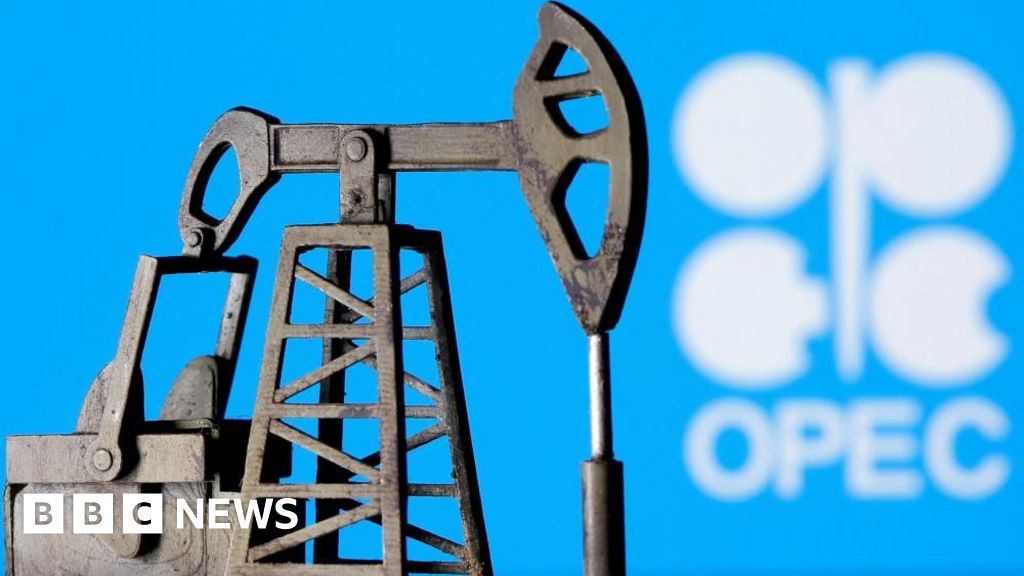
A 3D printed oil pump jack is seen in front of displayed Opec logo in white lettering on a blue background.
TL;DR
The UAE’s decision to quit OPEC may be the first major crack in a cartel whose global share has dropped to 36.7%.
Context The United Arab Emirates plans to leave the Organisation of the Petroleum Exporting Countries, a move analysts describe as a watershed for the group. OPEC, founded in 1960 to coordinate production among major exporters, now commands a smaller slice of the market than at its peak in the 1970s.
Key Facts - In 2025 the UAE produced 3.1 million barrels of oil per day, ranking it as OPEC’s fourth‑largest producer. Saudi Arabia, the de‑facto leader, produced over nine million barrels per day. - OPEC’s share of globally traded crude fell to 36.7% in 2025, down from 52.5% in 1973. Non‑OPEC producers such as the United States (13.6 million barrels per day) and Russia (9.1 million barrels per day) now dominate supply. - Analysts predict the UAE could boost output by roughly one million barrels per day once free of OPEC quotas. - The Strait of Hormuz, a key shipping lane for about 20% of world oil, remains closed, limiting the immediate impact of the UAE’s departure on exports. - Energy analyst Maurizio Carulli calls the exit “the beginning of the end of OPEC,” while Charles‑Henry Monchau says it signals “the end of OPEC as we knew it.”
What It Means The UAE’s exit removes a major producer from the cartel’s coordination framework, potentially accelerating a shift in price‑setting power toward non‑OPEC nations, especially the United States. With OPEC’s influence already waning—evidenced by its reduced market share and frequent member non‑compliance—losing the UAE could undermine collective output decisions and weaken the group’s bargaining clout.
Future market dynamics will hinge on how remaining members adjust production and whether the UAE leverages its newfound flexibility to increase output. Watch for changes in OPEC‑plus agreements and any coordinated response from Gulf states as the cartel navigates this structural loss.
Continue reading
More in this thread
Conversation
Reader notes
Loading comments...