UAE fast-tracks West-East Pipeline to double Fujairah oil export capacity by 2027
The UAE is accelerating a new West‑East pipeline that will double oil export capacity through Fujairah by 2027, aiming to bypass the Strait of Hormuz and meet rising global demand.
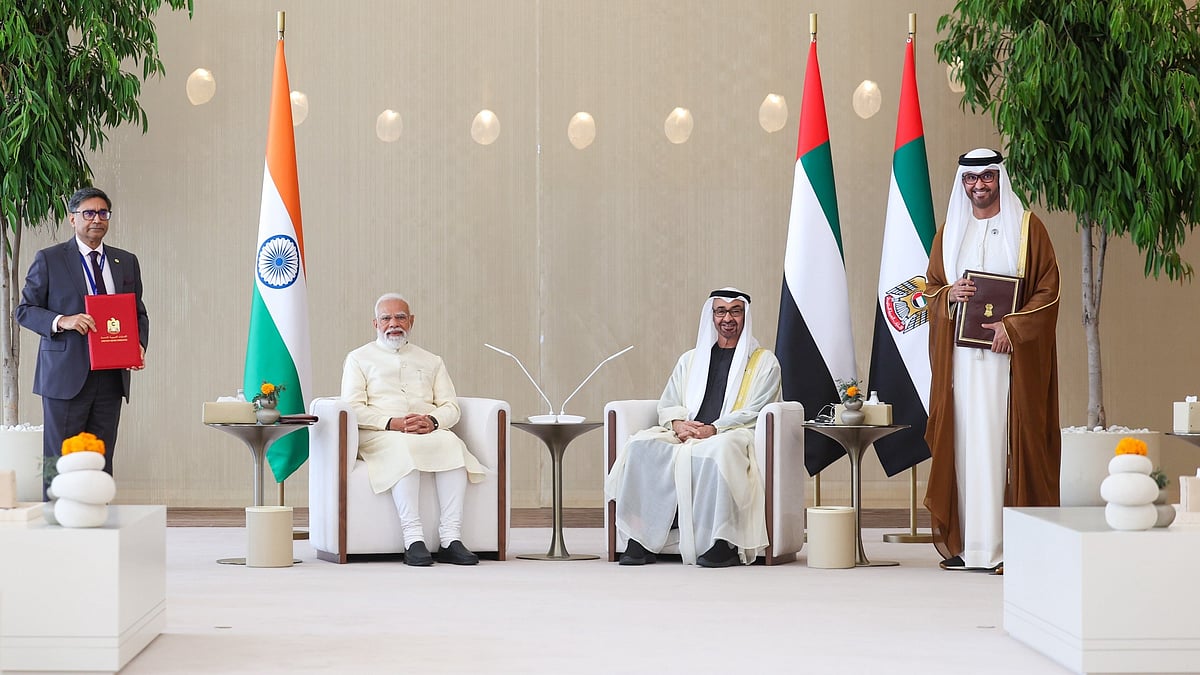
TL;DR: The UAE is accelerating a new West‑East pipeline that will double oil export capacity through Fujairah by 2027. The project aims to bypass the Strait of Hormuz and meet rising global demand.
Context: For decades, Gulf producers have shipped most of their crude through the Strait of Hormuz, a narrow waterway that moves about 20% of the world’s oil.
Recent incidents—such as ship seizures, missile strikes on storage facilities, and cyberattacks on port operations—have heightened fears of a blockade.
In response, Abu Dhabi announced it would fast‑track a pipeline linking its onshore fields to Fujairah on the east coast, providing an alternate outlet.
The existing Abu Dhabi Crude Oil Pipeline has faced sabotage attempts in recent years, underscoring the need for redundancy.
Key Facts: Crown Prince Sheikh Khaled bin Mohamed bin Zayed told an ADNOC meeting that the acceleration is intended to “meet global demands.”
The new line will run parallel to the existing Abu Dhabi Crude Oil Pipeline, which currently moves roughly 1.5 million barrels per day from Habshan to Fujairah.
Officials say the duplicated capacity will bring Fujairah’s total export capability to about 3 million barrels per day, with the project slated for completion by 2027.
What It Means: Doubling the outlet reduces the UAE’s exposure to a single chokepoint that carries a significant share of global oil flows.
It also gives Abu Dhabi more leeway to sustain output if Hormuz traffic is slowed or stopped by geopolitical events.
The timing coincides with the UAE’s departure from OPEC, underscoring a strategy of independent production and export decisions.
Analysts note that alternative routes could ease premiums tied to Hormuz risk, though actual market impact will depend on global supply balances.
What to watch next: Watch for groundbreaking ceremonies, financing updates, and whether Saudi Arabia or Oman announce comparable bypass routes, as well as any shifts in regional trade agreements.
Continue reading
More in this thread
Conversation
Reader notes
Loading comments...