Trump Announces US Escort Mission in Strait of Hormuz Starting Monday
President Trump says the US will begin Project Freedom, escorting global vessels through the Strait of Hormuz starting Monday, citing safety and regional stability.
TL;DR
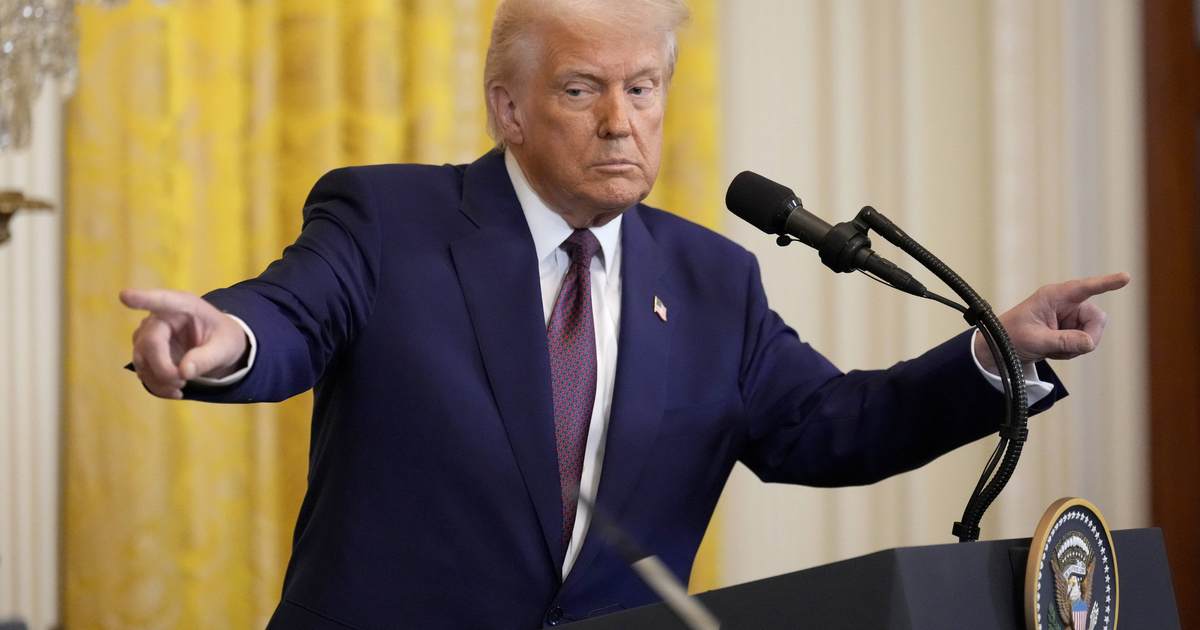
President Donald Trump announced that the United States will start escorting ships through the Strait of Hormuz on Monday, calling the operation “Project Freedom.”
Context The Strait of Hormuz, a narrow waterway linking the Persian Gulf with the Gulf of Oman, handles roughly a fifth of the world’s petroleum shipments. Disruptions there have historically triggered spikes in oil prices and heightened geopolitical tension. Recent confrontations between Iran and Western navies have raised concerns about the safety of commercial traffic.
Key Facts - Trump posted on his Truth Social platform that the United States will guide ships safely out of the strait “for the good of Iran, the Middle East, and the United States.” - He named the escort effort “Project Freedom” and said it will commence Monday morning, Middle East time. - According to the president, requests for U.S. escort have come from “countries from all over the world,” indicating broad international interest in securing passage. - The operation will involve U.S. naval vessels positioning alongside commercial ships to deter potential threats and ensure navigation through the restricted waterway.
What It Means The announcement signals a direct U.S. commitment to protect commercial navigation in a region where Iranian forces have previously threatened to close the strait. By offering escort services, the United States aims to reduce the risk of accidental or intentional incidents that could halt oil flow. The move may also serve as a diplomatic lever, showing allies that Washington can provide tangible security guarantees.
For Iran, the escort could be interpreted as a de‑escalation gesture, reducing the incentive to block traffic. Conversely, Tehran may view the presence of U.S. warships as a provocation, potentially prompting a reciprocal show of force. Regional partners such as Saudi Arabia and the United Arab Emirates are likely to welcome the added safety, while China and Russia may criticize the action as U.S. interference in a strategic chokepoint.
The success of Project Freedom will depend on the ability of U.S. forces to coordinate with multinational shipping firms and to respond swiftly to any hostile moves. Monitoring the first week of escorts will reveal whether the operation stabilizes traffic or escalates tensions.
What to watch next Track the initial escort missions for signs of Iranian response, changes in oil market pricing, and statements from other naval powers about the U.S. presence in the strait.
Continue reading
More in this thread
Conversation
Reader notes
Loading comments...