Merz Reaffirms US Ties as Troop Pullout and Tomahawk Deal Stall
German Chancellor Merz says US troop cuts and a postponed Tomahawk missile deal are unrelated to his dispute with Trump, pledging continued transatlantic cooperation.
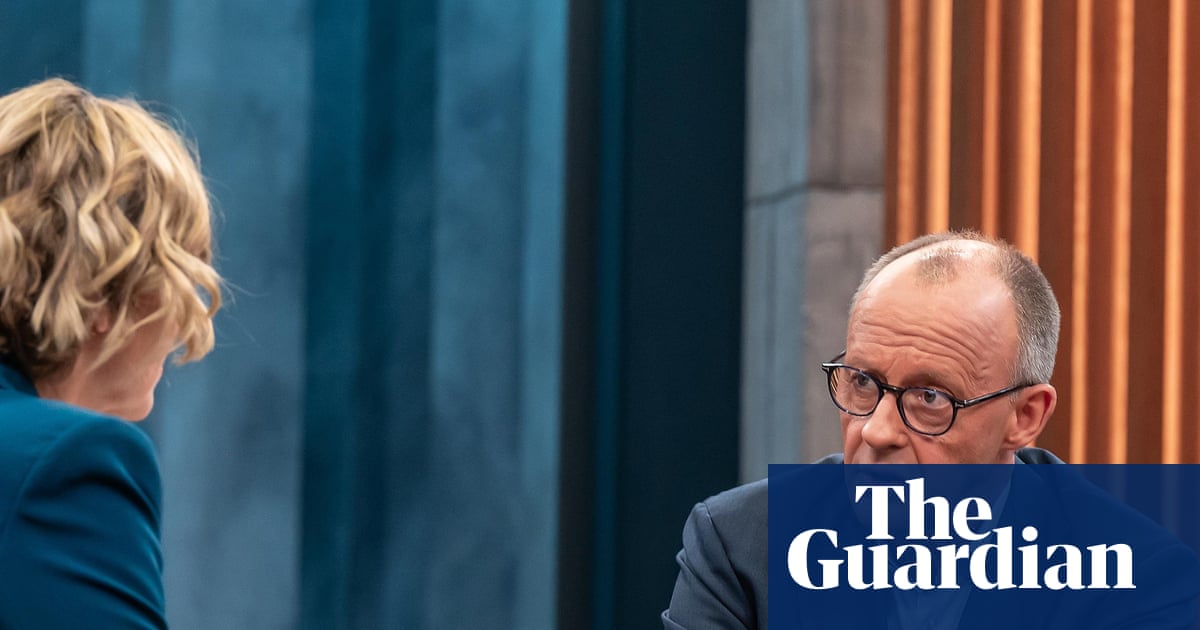
TL;DR: German Chancellor Friedrich Merz insists the United States’ decision to cut troops in Germany and delay Tomahawk missiles is unrelated to his recent spat with President Donald Trump, and he will keep working on the transatlantic partnership.
Context Merz faced a sharp exchange with Trump after criticizing the US‑Israeli strike on Iran. Trump called Merz’s performance “terrible,” and the German leader’s remarks on Iran’s negotiating stance added fuel to the fire. Despite the tension, Merz appeared on ARD’s Sunday interview to stress that the broader alliance remains intact.
Key Facts - Merz told the public broadcaster ARD, “I am not giving up on working on the transatlantic relationship, nor am I giving up on working with Donald Trump.” - He clarified that the United States’ plan to withdraw 5,000 troops from German bases is not a retaliation for the recent disagreements. “It may be exaggerated a bit, but it’s not new,” he said. - The deployment of US long‑range Tomahawk cruise missiles to Germany, announced under President Biden, has been postponed. Merz attributed the delay to depleted US arsenals after the Iran and Ukraine wars, noting that “the Americans themselves don’t have enough at the moment.” - While the missile deal is on hold, Merz said the “train has not departed” for future cooperation, and NATO allies can continue to deter Russia without those weapons. - Merz reiterated shared goals with Trump, such as preventing Iran from acquiring a nuclear weapon, even as he maintains a different view of the conflict.
What It Means Merz’s statements aim to separate operational decisions—troop levels and missile deployments—from political friction with the US president. By framing the troop reduction as a pre‑existing plan, he seeks to prevent the narrative that Berlin is being punished for criticism. The postponed Tomahawk delivery highlights the strain on US munitions after two major wars, suggesting that future European requests may face similar constraints.
Looking ahead, the durability of the US‑German partnership will hinge on how both sides manage divergent views on Iran while navigating resource shortages that affect NATO’s collective defence posture.
Continue reading
More in this thread
Germany Reaffirms Support for Morocco’s Western Sahara Autonomy, Honors WWII Refugee Rescue, and Pushes Green Energy Ties
Nadia Okafor
China Blocks U.S. Sanctions on Five Petrochemical Firms
Nadia Okafor
Chalmers Rules Out Fuel Tax Extension and Limits on Further Cost‑of‑Living Relief
Nadia Okafor
Conversation
Reader notes
Loading comments...