Temporary LNG Bridges Hawaiʻi's Renewable Transition, Aila Jr. Argues
William Aila Jr. proposes temporary LNG use for Hawaiʻi, citing cost and emission benefits to bridge the state's shift to 100% renewable energy.
TL;DR
Former Hawaiʻi Department of Land and Natural Resources director William Aila Jr. advocates for a temporary role for liquefied natural gas (LNG) in Hawaiʻi's energy transition. This strategy aims to stabilize energy costs and reduce emissions as the state builds its renewable energy infrastructure.
Hawaiʻi faces a critical juncture in its energy transition. The state aims for 100% renewable energy, but its current reliance on oil for power generation presents significant challenges for both cost and environmental impact. Aila Jr. highlights the long-standing presence of fossil fuel infrastructure, noting the Kahe Power Plant has operated continuously on Oʻahu’s west side since 1963. He states that he has lived in Waiʻanae all his life and recalls the plant as a constant landmark in his community.
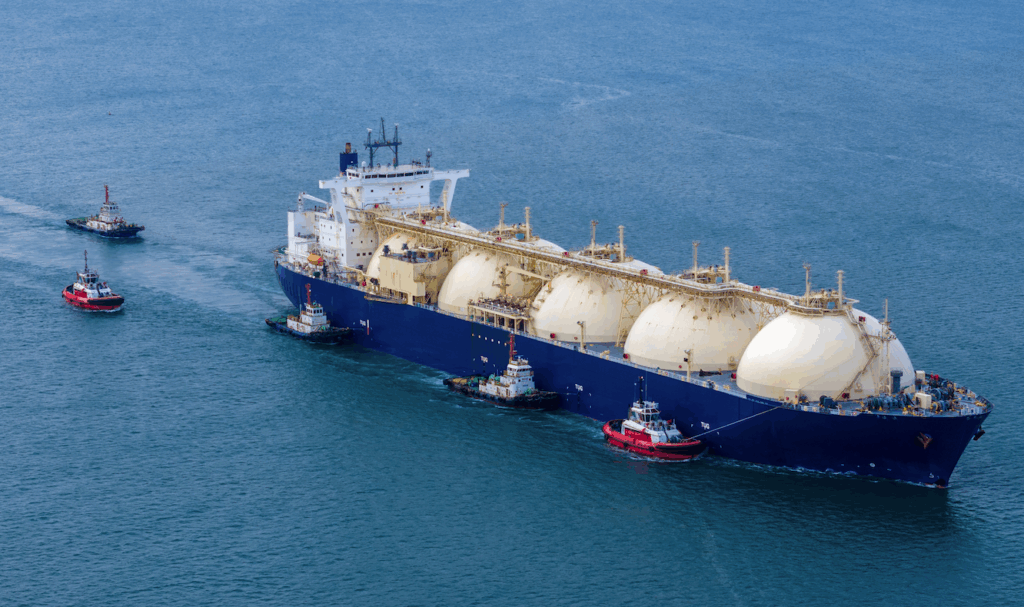
Aila Jr. argues a well-designed, temporary liquefied natural gas (LNG) approach can bridge the gap to full renewable energy. LNG, natural gas cooled to a liquid state for transport, offers several benefits. Studies have shown that LNG reduces energy costs, increases grid flexibility, and cuts emissions when compared to burning oil. Grid flexibility refers to the electrical grid's ability to adapt quickly to changes in energy supply and demand, a critical feature for integrating intermittent renewable sources like solar and wind power, which do not generate electricity consistently.
Implementing a time-limited LNG strategy allows Hawaiʻi to retire oil-fired power plants sooner, addressing immediate environmental and economic concerns. This approach provides a practical pathway to maintain reliable power as large-scale renewable energy storage and infrastructure develop. Such a strategy would need clear conditions, ensuring alignment with Hawaiʻi’s long-term renewable energy goals, strong safeguards to address methane emissions, and tangible benefits for communities historically impacted by energy production. This includes supporting local families struggling with high electric bills while moving away from oil reliance.
The coming months will show how Hawaiʻi balances urgent energy needs with its long-term commitment to a fully renewable future, evaluating all viable options on the path to 100% clean energy.
Continue reading
More in this thread
Artemis II Crew Traveled 252,756 Miles, Setting New Distance Record
Dr. Leo Tanaka
Italian Artist Deploys Underwater Speakers to Revive Jamaica’s Coral Reefs with Sound
Dr. Leo Tanaka
Record‑Setting Astronaut Christina Koch Highlights Space Debris Threat That Could Cost Nearly 2% of Global GDP
Dr. Leo Tanaka
Conversation
Reader notes
Loading comments...