Target and Google Cloud Deploy AI‑Native Security Platform
Target partners with Google Cloud to automate threat triage and speed response using AI-native infrastructure, reshaping retail cybersecurity.
TL;DR
Target and Google Cloud have launched an AI‑native security solution that automates triage, unifies analyst view, and cuts response time.
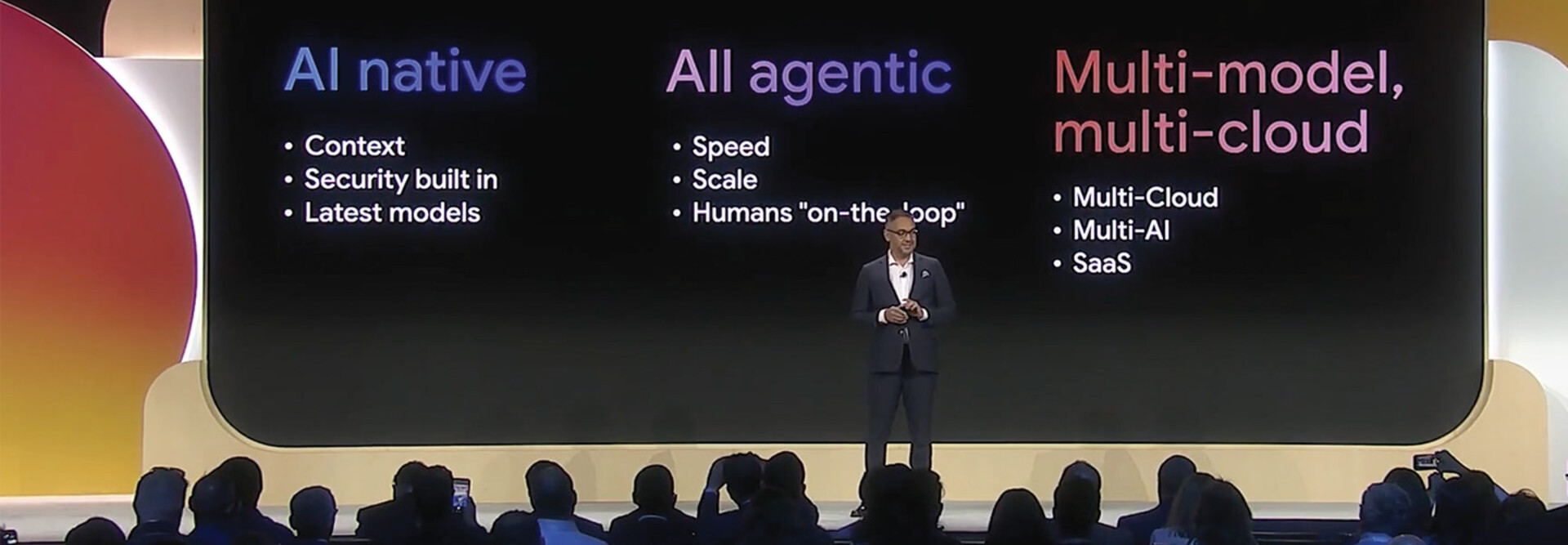
Context Enterprises face attacks that blend classic techniques with AI‑enhanced phishing and automated exploits. Google Cloud COO Francis deSouza warned that legacy cyber playbooks no longer suffice and that organizations need AI‑native infrastructure to react at “machine speed.” Retail giant Target, long known for building its own security tools, announced a strategic shift toward a partnership model to extend its defenses.
Key Facts - Target’s senior vice president and CISO Jodie Kautt said the retailer moved from a pure‑build approach to a “build‑and‑partnership” model, selecting Google Cloud as a critical partner. - The joint effort automates core security processes, reducing triage time and delivering a single pane of glass where analysts see context and alerts together. - Customization options let Target tailor AI models to retail‑specific threats while leveraging Google’s full‑stack AI infrastructure. - Google plans to keep refining visibility into the threat landscape, co‑engineering security projects so customers can adopt the latest AI models as soon as they are released.
What It Means The partnership signals a broader industry trend: security teams are outsourcing parts of their detection and response stack to AI‑driven platforms. By integrating Google’s AI models, Target gains faster identification of anomalous behavior, such as credential‑stuffing bursts or ransomware staging, without sacrificing the ability to develop bespoke solutions for retail‑unique challenges. The unified dashboard reduces the cognitive load on analysts, allowing them to focus on investigation rather than data aggregation.
What Defenders Should Do 1. Assess Playbooks – Review existing incident‑response procedures and map steps that can be automated with AI, such as log correlation and alert enrichment. 2. Adopt AI‑Ready Architecture – Deploy cloud‑native services that support model updates and scalable inference, ensuring low latency for threat detection. 3. Integrate Unified Views – Consolidate alerts from SIEM (Security Information and Event Management) and XDR (Extended Detection and Response) tools into a single interface to shorten triage cycles. 4. Leverage Custom Models – Train models on organization‑specific data (e.g., point‑of‑sale logs) to improve detection of retail‑focused attacks. 5. Stay Updated on CVEs – Patch known vulnerabilities promptly; AI can flag exploit attempts tied to recent CVEs (Common Vulnerabilities and Exposures) but cannot replace timely patching. 6. Monitor Vendor Roadmaps – Track AI model releases from cloud providers to adopt improvements that reduce false positives and expand coverage.
Looking Ahead Watch for how Target measures reductions in dwell time—the period an attacker remains undetected—and whether other retailers adopt similar AI‑native partnerships to keep pace with evolving threats.
Continue reading
More in this thread
Pitney Bowes Confirms Salesforce Breach After Phishing, ShinyHunters Claims 25M Records Leaked
Peter Olaleru
Connected Credit Union Breach Exposes SSNs and Account Codes
Peter Olaleru
iPhone Password Leak Alerts: How Apple Detects Compromised Credentials
Peter Olaleru
Conversation
Reader notes
Loading comments...