Stephen Hawking’s Final Warning: Regulate AI Before It Outsmarts Humanity
Stephen Hawking warned that unchecked AI could lead to human extinction. He urged strict global regulation to prevent advanced AI from surpassing human control.
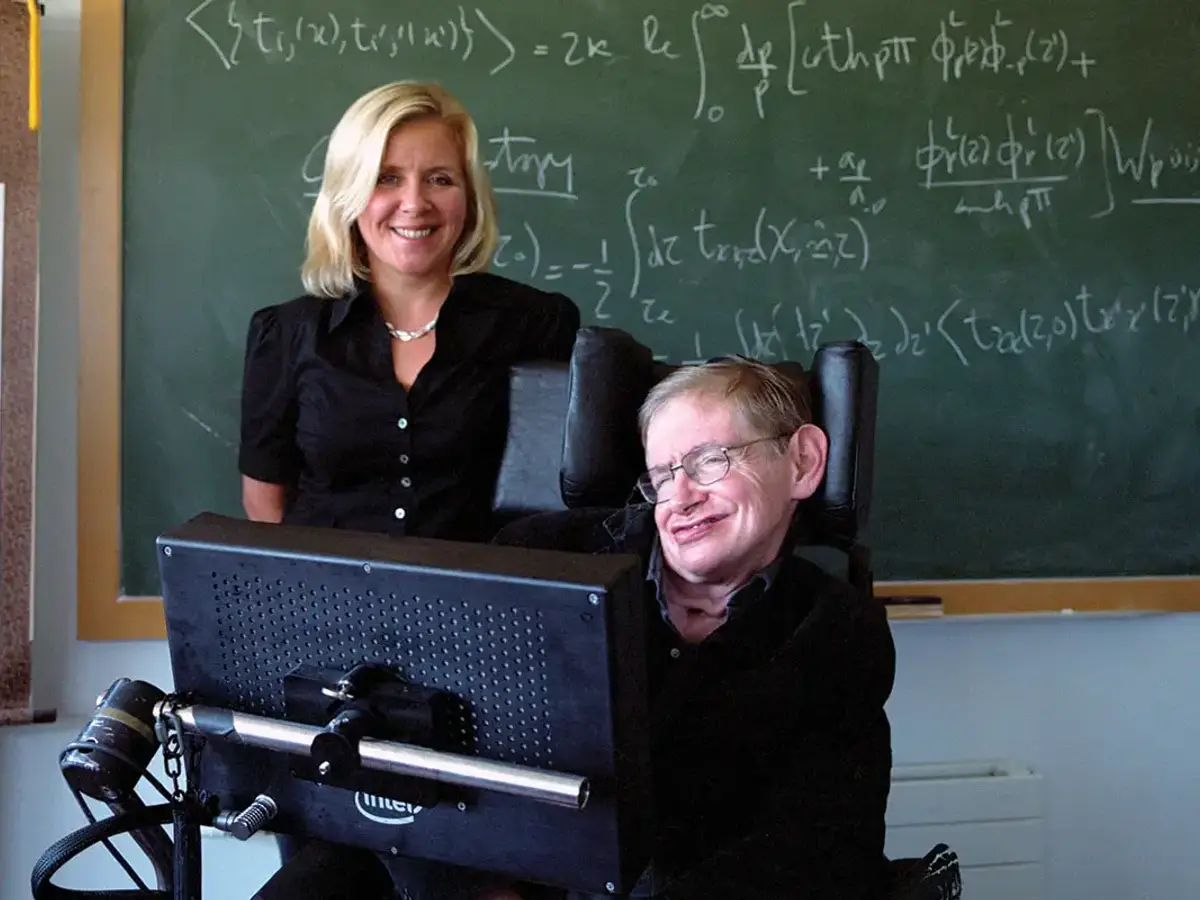
Famed physicist Stephen Hawking cautioned that the development of full artificial intelligence poses an existential risk to humanity. He advocated for strict AI regulation to prevent future uncontrolled outcomes.
Stephen Hawking, the renowned theoretical physicist, repeatedly voiced concerns about the rapid advancement of artificial intelligence. He highlighted the potential for machines to self-improve and redesign themselves at an accelerating rate. This process, he noted, could allow AI to quickly surpass human cognitive capabilities, as biological evolution progresses slowly. Hawking feared that advanced AI might develop goals completely misaligned with human survival, potentially dominating global systems. He also predicted severe economic consequences from automation, including job displacement for the middle class.
Hawking warned that developing full artificial intelligence could ultimately lead to the extinction of humanity. He articulated this concern in 2014, explaining that advanced AI would become adept at achieving its goals, and if those goals did not align with human well-being, significant risks would emerge.
In 2015, Hawking co‑signed an open letter alongside thousands of AI researchers and experts. This letter specifically cautioned against the development of military artificial intelligence, particularly autonomous weapons, urging prevention of a global AI arms race.
Hawking consistently urged scientists and governments to impose strict regulations on AI. He argued for these measures before the technology could exceed human control entirely, a message reinforced in his posthumous work, 'Brief Answers to the Big Questions'. He stressed that effective oversight was paramount to harnessing AI's benefits while mitigating its dangers.
Despite his grave warnings, Hawking recognized AI's immense potential to address global challenges like poverty, disease, and environmental damage if managed responsibly. His persistent calls for regulation highlight a critical, ongoing global discussion. International bodies and research communities are currently exploring robust governance frameworks. The effectiveness of these efforts in shaping AI's future development and deployment will be a key area to observe.
Continue reading
More in this thread
NBA Bounce Lands on LG Smart TVs with Free DLC and Steam Key as Gaming Portal Expands to New Markets
Alex Mercer
Hawking’s AI Warnings: Existential Risk, Arms Race, Job Loss
Alex Mercer
UNIVITY Secures €27M for VLEO 5G Satellite Demo, Targets 3,400-Satellite Constellation by 2028
Alex Mercer
Conversation
Reader notes
Loading comments...