States Propose 15‑Item Self‑Checkout Limits and Staffing Rules to Curb Theft
Legislators in multiple US states are introducing bills to cap self-checkout items and mandate employee staffing ratios, addressing rising retail theft concerns.
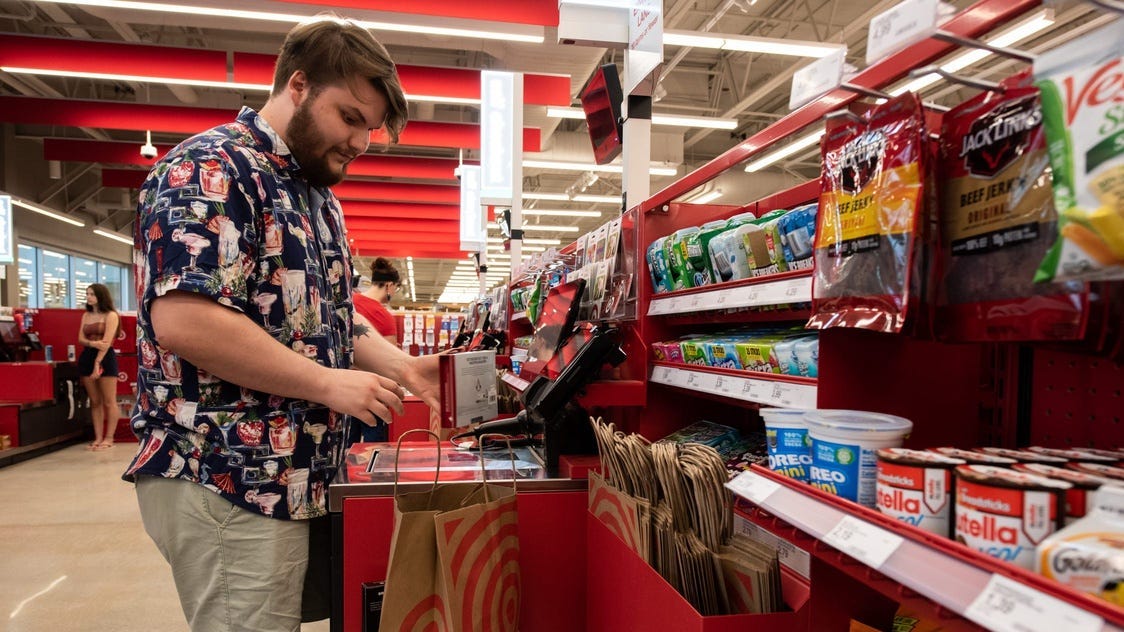
TL;DR
State lawmakers introduce bills to cap self-checkout items and mandate employee presence, addressing rising retail theft concerns. As of April 22, no state has enacted any self-checkout legislation.
Retailers increasingly offer self-checkout stations, impacting store operations and customer experience. This shift correlates with a documented increase in retail theft incidents. Theft at self-checkout stations is up to 65% higher compared to employee-manned checkouts.
This trend prompts legislative action in several US states. Policymakers propose new regulations to address loss prevention and staffing levels. California Senator Lola Smallwood-Cuevas, in February, introduced SB 442, an early example of such efforts.
SB 442 proposed a 15-item limit for self-checkout purchases. The bill also required at least one staffed manual checkout lane in stores utilizing self-checkout systems. While SB 442 is no longer moving forward as of April 21, its introduction highlights the legislative focus on these issues.
As of April 22, no state has enacted any self-checkout legislation into law. However, discussions continue in states like Connecticut, Massachusetts, New York, Ohio, and Rhode Island. These proposals frequently include mandates for a certain number of manual checkouts, specific employee-to-self-checkout ratios, and item limits.
New York City Council, for instance, is discussing a 15-item maximum on self-checkout purchases and a requirement for one employee per three self-checkouts. Ohio's proposed SB 415 suggests a 15-item limit and prohibits the sale of alcohol or tobacco at self-checkout stations. These measures aim to curb the high rate of theft associated with unassisted transactions.
These legislative efforts signal a potential shift in how stores manage self-checkout operations. The focus remains on balancing customer convenience with loss prevention strategies. Observers will watch how these proposals progress through state legislatures in the coming months.
Continue reading
More in this thread
Oyedele Assumes Finance Minister Role, Pledges Fiscal Discipline and Measurable Reform Outcomes
Nadia Okafor
Sally Rooney, Greta Thunberg Join 130+ Figures Backing Palestine Action Ahead of UK Court Appeal
Nadia Okafor
Trump Threatens Big Tariff on UK Over Digital Services Tax as UK Refuses to Back Down
Nadia Okafor
Conversation
Reader notes
Loading comments...