Trump Threatens Big Tariff on UK Over Digital Services Tax as UK Refuses to Back Down
President Trump threatens tariffs on the UK if it maintains its digital services tax. The UK government refuses to scrap the tax, projected to raise up to £5.2 billion.
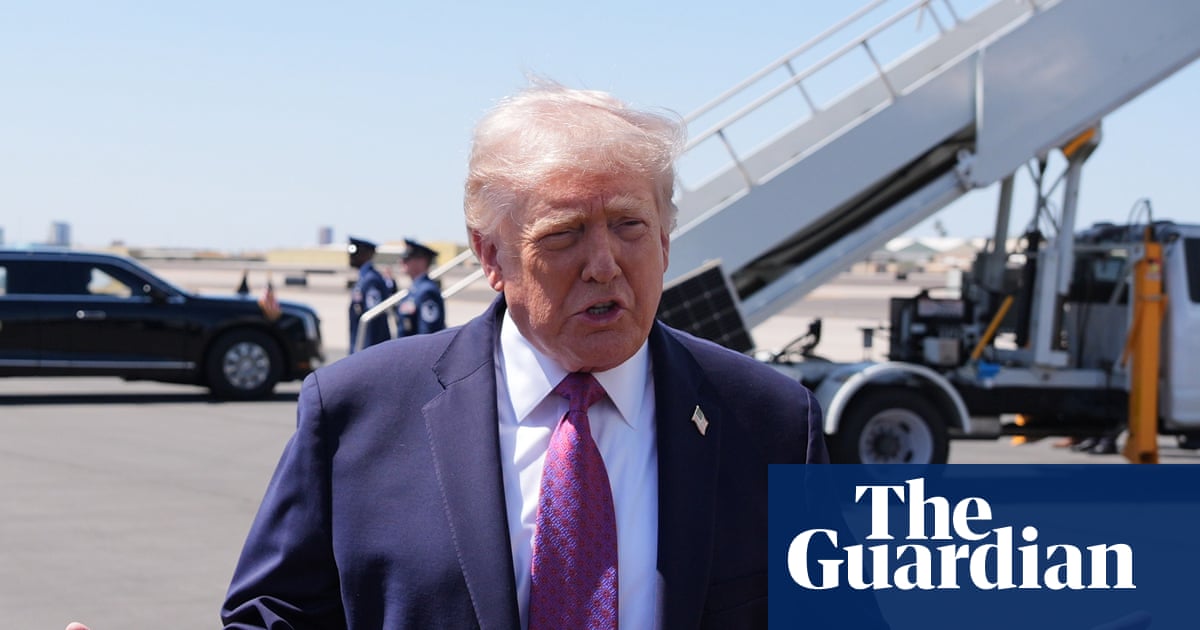
The UK faces a significant tariff threat from the US over its digital services tax, a levy targeting large tech companies. Despite US pressure, the UK government confirms it will not abolish the tax.
President Trump has threatened to impose tariffs on the United Kingdom if it does not eliminate its digital services tax. This tax, introduced in 2020, applies a 2% levy on the revenues of large technology companies generated from UK users. The UK implemented the tax as an interim measure, designed to ensure global tech giants contribute to public services in the countries where they operate.
The tax targets businesses with worldwide digital revenues exceeding £500 million, with over £25 million of these revenues sourced from UK users. Similar digital taxes exist in several European countries, consistently drawing objections from the US, which argues they unfairly target American technology firms. An earlier 2021 agreement aimed to phase out the DST in favor of a new global taxation system, brokered by the Organisation for Economic Cooperation and Development (OECD), but implementation delays persist.
President Trump stated he could "easily" impose a "big tariff" on the UK should the digital services tax remain. He indicated that such tariffs would be "more than what they’re getting" from the current levy, implying a reciprocal action equal to or greater than the tax revenue.
Despite this direct threat of economic retaliation, the UK government confirmed its position remains unchanged. Downing Street stated it would not scrap the digital services tax. The government views it as a "fair and proportionate approach" to taxing business activities within the UK. This tax is projected to raise between £4.4 billion and £5.2 billion from 2024 to 2029, representing a significant revenue stream.
The standoff signals escalating economic tension between the two nations. The US maintains that these taxes target its dominant tech industry. The UK, conversely, argues the tax ensures these businesses pay their share locally while awaiting a global solution. This dispute highlights broader challenges in international tax policy, particularly the slow progress of the OECD's proposed global minimum corporation tax. The US and UK now face critical decisions on potential tariff implementation and the broader implications for their economic relationship. The next steps in diplomatic negotiations or concrete trade actions will determine the path forward.
Continue reading
More in this thread
Missouri Gov. Mike Kehoe Signs Antisemitism, Hemp, and Dome Governance Bills Into Law
Nadia Okafor
Nigeria Warns Citizens in South Africa to Avoid Protests, Close Businesses Amid Xenophobic Violence
Nadia Okafor
Israeli Strike Kills Lebanese Journalist Amal Khalil During Ceasefire, Ninth Media Death This Year
Nadia Okafor
Conversation
Reader notes
Loading comments...