Starmer to Become Sixth UK PM Rejected Since Scottish Vote
Analysis of Keir Starmer’s impending premiership, the pattern of UK leadership turnover since the Scottish referendum and Brexit, and what it means for inequality and growth.
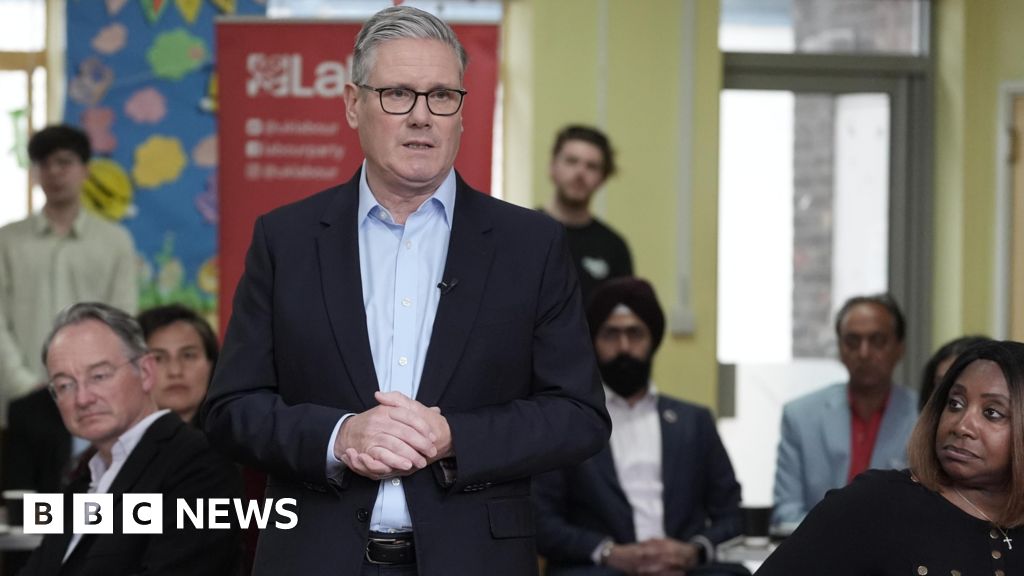
Keir Starmer speaks to a room of party members. He is standing in front of a Labour banner.
TL;DR
Keir Starmer is expected to become the sixth UK prime minister rejected since Scotland’s 2014 independence referendum and the fourth since the Brexit vote. Changing leaders alone will not fix deep‑rooted inequality or weak growth that continue to strain public services.
Context
Since the 2014 Scottish independence referendum, five prime ministers have faced rejection by voters or parliament, reflecting broader dissatisfaction with the UK’s direction. The Brexit referendum in 2016 added another layer of political turnover, with four leaders losing confidence or office thereafter. Starmer’s Labour leadership comes amid calls for fresh approaches to the union’s economic and democratic challenges. Polls show that many voters feel the current system does not deliver fair outcomes for all nations of the UK. Recent surveys indicate that support for constitutional reform, including federalism or greater devolution, has risen modestly since 2020.
Key Facts
Starmer’s anticipated premiership marks the sixth rejection since the Scottish vote and the fourth since Brexit. Analyses indicate that simply changing the prime minister does not automatically reduce entrenched inequality; weak economic growth continues to limit funding for health, education and local services. Economic data show that UK GDP growth has averaged below 1 percent per year over the past three years, constraining fiscal space. If Gordon Brown remains in his role as the UK’s global finance special envoy—a position that advises on international monetary matters—he could help restart talks with the Scottish, Welsh and Northern Irish administrations to seek a constitutional framework that addresses economic, social and democratic concerns. Such talks would aim to find ways to share fiscal resources and decision‑making power more evenly across the UK.
What It Means
The pattern of leadership turnover suggests that voters are looking for more than a change of face; they want tangible improvements in living standards and public trust. Persistent low growth threatens to keep public services under pressure and dampen optimism across England, Scotland, Wales and Northern Ireland. Observers will watch whether Brown’s continued envoy role sparks substantive dialogue with devolved governments and whether any resulting constitutional talks can ease the UK’s long‑term malaise. Labour’s policy platform, which includes pledges on investment and redistribution, will be tested against these structural headwinds. If talks proceed, they could address issues such as tax borrowing capacity and welfare policy alignment across the nations.
What to watch next: any announcements from Brown’s envoy office regarding formal meetings with devolved leaders, and Labour’s policy response to inequality and growth ahead of the next electoral cycle.
Continue reading
More in this thread
Conversation
Reader notes
Loading comments...