Senate Confirms Kevin Warsh as Fed Governor, Clears Path for Chair Vote
Kevin Warsh’s confirmation as Federal Reserve governor sets up a potential chair appointment amid 3.8% inflation and his pledge for a 'regime change' involving tighter Treasury ties and a smaller balance sheet.
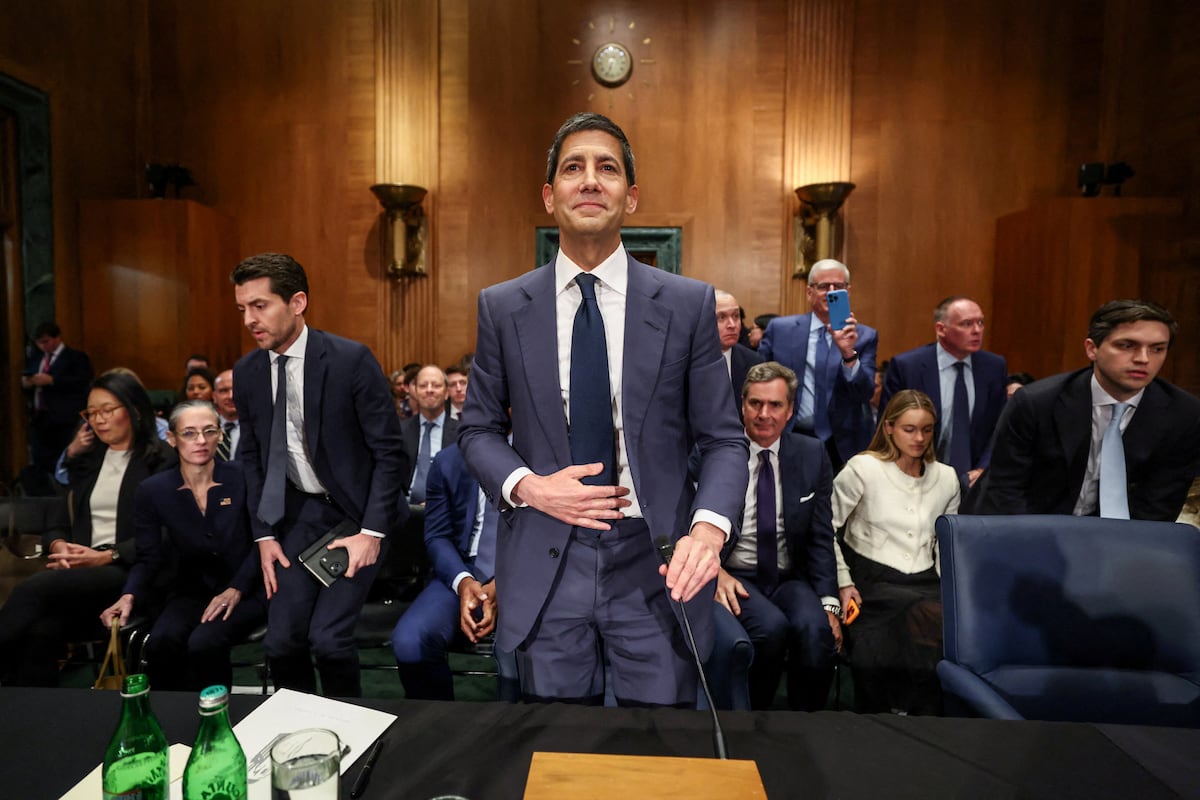
Context
With inflation climbing to 3.8 percent in April, lawmakers moved quickly to fill the Fed’s top post. The confirmation came after a months‑long delay tied to a Justice Department review of former Chair Jerome Powell, which ended in April. Warsh, a former Fed governor and financier, now faces a Senate vote to hold both the 14‑year governor seat and a four‑year chair term at the same time. Analysts note that the timing coincides with rising fuel costs from the Iran conflict, which have pushed energy prices up sharply.
Key Facts
The Senate approved Warsh to a 14‑year term as Federal Reserve governor, a position that carries significant influence over monetary policy. U.S. inflation measured 3.8 percent in April, driven by a 50 percent surge in fuel prices linked to the Iran war, according to the Bureau of Labor Statistics. Warsh said he plans a “regime change” at the Fed, seeking tighter coordination with the Treasury and the Trump administration and a smaller balance sheet, which refers to the central bank’s holdings of government securities and other assets.
What It Means
A smaller balance sheet would reduce the Fed’s asset holdings, potentially allowing lower interest rates if inflation eases, because fewer assets mean less need to absorb excess reserves. Tighter Treasury coordination could align monetary policy with fiscal goals advocated by the administration, such as infrastructure spending or tax cuts. Critics warn that such alignment might threaten the Fed’s traditional independence, especially as Trump continues to press for rate cuts to boost growth. Supporters argue the changes could improve responsiveness to economic shocks by streamlining decision‑making between monetary and fiscal authorities. Market observers will watch for any shifts in the Fed’s communication style, as Warsh has previously advocated limiting public statements to reduce uncertainty.
What to watch next: the Senate’s final vote on Warsh’s chair appointment, upcoming inflation reports, and any shifts in the Fed’s policy stance under the new leadership.
Continue reading
More in this thread
Conversation
Reader notes
Loading comments...