Starmer Extends Fuel Duty Freeze to Year‑End, Citing £455 Million Cost
The UK government extends the 5p fuel duty cut to 31 December, estimating a £455 million cost for the tax year. Starmer says the move backs drivers amid high pump prices.
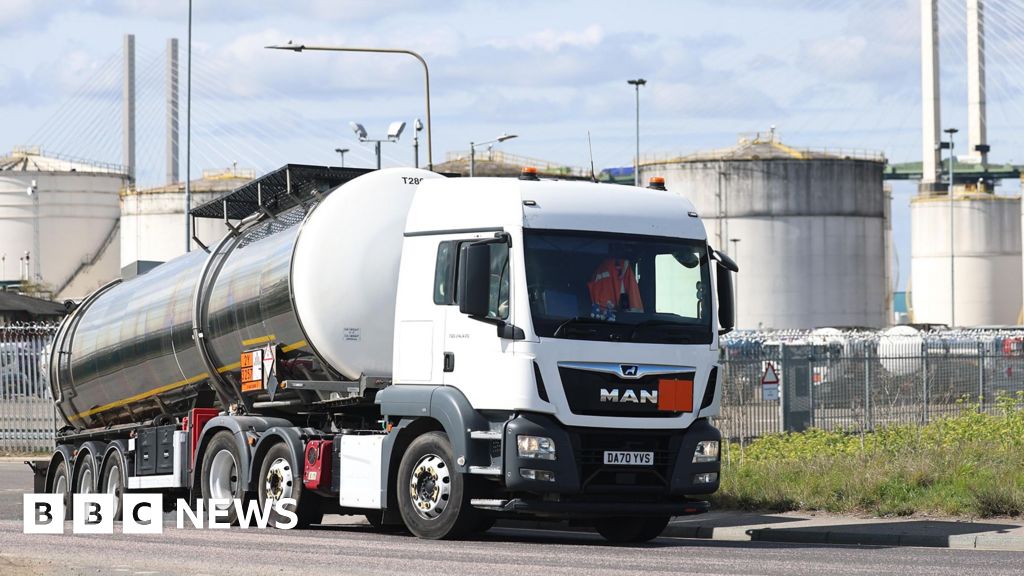
A white tanker truck enters the Navigator Terminal in Grays in April, with oil, gas and fuel storage units in the background on a cloudy day.
TL;DR
The UK government will keep the 5p fuel duty cut in place until 31 December, saying it will cost £455 million this tax year. Prime Minister Keir Starmer says the move backs drivers amid higher pump prices.
Context
The duty reduction was first introduced in March 2022 by the previous Conservative government after Russia’s invasion of Ukraine pushed oil prices up. Since then, the cut has been renewed several times, most recently set to end in September. Rising petrol and diesel prices, driven by the conflict in the Middle East that has tightened global oil supplies, have kept pump costs near record levels. The average price of petrol hit 158.52p per litre on Monday, according to the RAC.
Key Facts
- The extended freeze will run to the end of the year instead of being phased out in September. - Downing Street estimates the measure will cost £455 million for the current tax year. - Starmer told the House of Commons that the government is “backing drivers” by extending the freeze. - In addition, the fuel duty rate on red diesel will be cut by over a third to 6.48p per litre from mid‑next month, aiming to help farmers. - A 12‑month holiday on vehicle excise duty for heavy goods vehicles will save a typical haulier about £600 per lorry.
What It Means
Drivers will see no immediate increase in fuel tax, keeping pump prices slightly lower than they would be if the 5p rise returned. Farmers using red diesel will benefit from a reduced rate, potentially lowering operating costs for tractors and machinery. Hauliers gain temporary relief from vehicle excise duty, which could ease some supply‑chain pressures. However, analysts note uncertainty about what happens after December, with questions whether the duty will jump back fully, be phased, or be altered again.
Watch for the Treasury’s spring budget to see whether the duty will rise, stay flat, or be replaced by another measure.
Continue reading
More in this thread
Conversation
Reader notes
Loading comments...