South Korea Growth Forecast Rises to 2.6% on Semiconductor Surge, Inflation Stays Near 2.6%
South Korea's 2024 GDP growth outlook rises to 2.6% driven by semiconductors, while inflation is expected at 2.6% amid higher oil prices.
The Asia Business Daily
TL;DR: South Korea’s 2024 GDP growth is now seen at 2.6% as semiconductors drive half of the expansion, while inflation is projected to stay at 2.6% despite rising oil prices.
Context The Bank of Korea will announce its monetary policy decision on May 28, a meeting that will weigh both price stability and export performance. A recent poll of 13 economists from research institutes, securities firms and banks shows a sharp upgrade from last April’s 2.0% growth outlook.
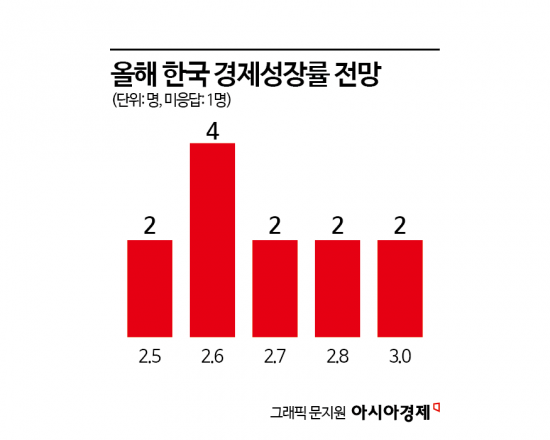
Key Facts Four experts named 2.6% as the most likely growth rate, making it the consensus figure. Six respondents expect consumer‑price inflation to end the year at 2.6%, up from earlier estimates. The semiconductor sector is credited with contributing roughly half of the annual growth, a share reflected in first‑quarter data where the industry added about 0.8 percentage points to GDP.
Export data support the upbeat view: semiconductors accounted for 28% of total exports in Q1, directly boosting net export growth by around 0.4 percentage points. Analysts such as Park Sanghyun (iM Investment & Securities) and Baek Yoonmin (Kyobo Securities) cite the “super‑cycle” in chips and the AI demand surge as the main engines.
Higher oil prices and a strong dollar have pushed inflation expectations upward, but the semiconductor boost appears to offset some cost pressures. The Bank of Korea is expected to raise its own growth forecast to the mid‑2% range, while keeping the focus on containing price rises.
What It Means A 2.6% growth rate places South Korea above many regional peers and suggests that the chip boom can sustain momentum even as external cost pressures mount. The parallel inflation projection of 2.6% signals a narrow gap between growth and price stability, likely shaping the central bank’s next rate decision. Watch the Bank of Korea’s May 28 announcement for clues on whether policy will tilt toward tightening or remain accommodative as the semiconductor cycle unfolds.
Continue reading
More in this thread
Conversation
Reader notes
Loading comments...