Somerset tourism bookings fall 50% as fuel costs curb day trips
Visit Somerset reports a 50% drop in bookings, threatening 200‑300 jobs and risking hotel closures amid high fuel prices.
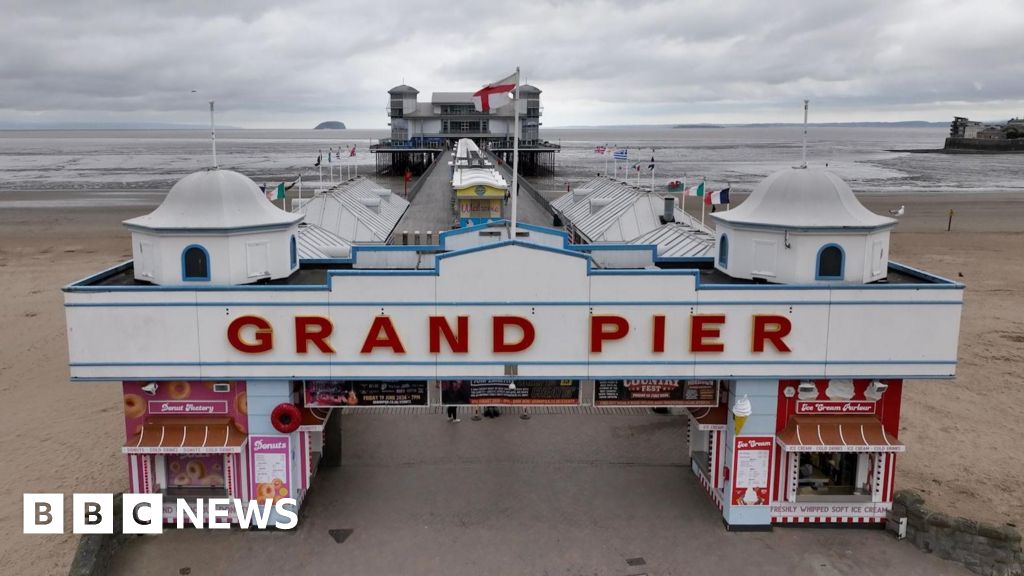
The front of the Grand Pier in Weston with the pier stretching out behind into the sea, and Grand Pier in big red letters.
TL;DR: Bookings at Somerset’s tourist sites have halved, putting 200‑300 jobs at risk and prompting warnings that hotels and B&Bs could enter administration.
Context Rising fuel prices are forcing families to skip day trips, a trend now evident across England’s countryside. In Somerset, the impact is stark: attractions that once thrived on weekend coach groups are seeing empty parking lots and quieter gift shops.
Key Facts Visit Somerset’s latest survey shows a 50% decline in bookings compared with the same period last year. One‑quarter of operators report a rise in cancellations, and overall tourism spending is projected to fall by at least 10%. The chief executive, John Turner, warned that the downturn could push bed‑and‑breakfasts and hotels into administration, a legal process for insolvent companies. Economic models estimate that a 10% drop in tourism revenue would eliminate roughly 200 to 300 jobs in the county.
Local operators are experimenting with free‑entry days and complimentary activities to lure cash‑strapped visitors. The Bishop’s Palace in Wells offered a one‑day free admission, drawing over 5,000 guests and boosting on‑site sales despite no ticket revenue. At Weston‑super‑Mare’s Grand Pier, the management added free face‑painting on holidays to add value without raising prices. Nearby, the Dean Heritage Centre in the Forest of Dean eliminated admission fees entirely, relying on donations and increased café sales to stay afloat.
What It Means The data suggests that high fuel costs are compressing discretionary spending, directly affecting Somerset’s tourism‑dependent economy. If the trend continues, the county could see a wave of closures among small hospitality businesses, eroding rural employment. Industry leaders are testing price‑cutting and value‑added services, but such measures may be unsustainable without broader economic relief.
Looking ahead, monitoring fuel price movements and consumer confidence indices will indicate whether Somerset’s tourism sector can stabilize or faces deeper contraction.
Continue reading
More in this thread
Conversation
Reader notes
Loading comments...