Solar Installations Reach 800 GW as EU Fossil‑Fuel Costs Surge €27 B
Solar power adds a record 800 GW in 2025 while the EU's fossil‑fuel import bill jumps €27 billion, shifting public support toward faster renewable adoption.
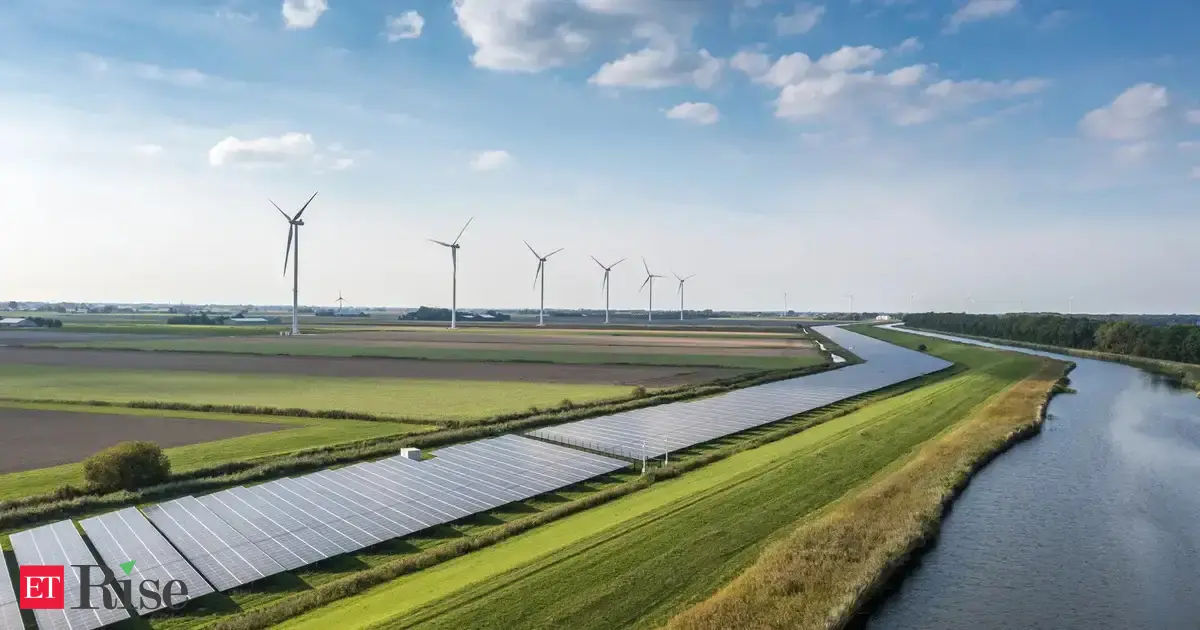
TL;DR: Solar capacity grew by a record 800 GW in 2025, while the EU’s fossil‑fuel import bill rose by over €27 billion in just 60 days, prompting a shift in public opinion toward faster renewable adoption.
Context The energy market is reacting to two simultaneous shocks: a surge in solar installations and a sharp increase in fossil‑fuel costs linked to the war in Iran. Historically, oil crises have spurred efficiency drives, but the current mix of high inflation, tighter credit and supply‑chain strain threatens to slow new clean‑energy projects.
Key Facts - The International Energy Agency’s 2025 review identified solar power as the sector’s largest growth driver, with new renewable capacity hitting 800 gigawatts—an all‑time high. - European Commission President Ursula von der Leyen reported that the EU’s fossil‑fuel import bill climbed by more than €27 billion ($32 billion) within a 60‑day window. - A March poll by Cluster17 for POLITICO found 39 % of Europeans support accelerating the renewable transition even if short‑term costs rise, while only 17 % prioritize low energy prices over climate goals.
What It Means The record solar build‑out demonstrates that, despite financing headwinds, large‑scale deployment remains feasible. Solar’s rapid expansion reduces reliance on imported oil and gas, directly countering the EU’s rising import bill. Public sentiment is shifting; a clear majority now backs a faster transition, indicating political pressure for policies that sustain renewable investment even when financing costs rise.
However, higher interest rates could erode the cost advantage of renewables, as research from Oxford’s Smith School shows financing costs impact solar and wind projects more than fossil‑fuel projects. Nations that have already integrated substantial solar capacity, such as Spain and France, are likely to see more stable electricity prices, giving them a buffer against further fuel price spikes.
Policymakers face a choice: lock in funding for clean‑energy infrastructure now or risk a funding shortfall that could stall progress. The next quarter will reveal whether the EU can translate public support into concrete financing mechanisms before inflation and interest‑rate pressures intensify.
Continue reading
More in this thread
Rising CO₂ Lowers Protein in Wheat and Rice by Up to 17%, Threatening Global Nutrition
Dr. Leo Tanaka
Global Renewable Installations Hit 800 GW as EU Fossil‑Fuel Costs Surge €27 B
Dr. Leo Tanaka
Norway Uncovers Record‑Setting Hoard of About 3,000 Viking Coins
Dr. Leo Tanaka
Conversation
Reader notes
Loading comments...