Global Renewable Installations Hit 800 GW as EU Fossil‑Fuel Costs Surge €27 B
Record 800 GW of renewable capacity contrasts with a €27 billion rise in EU fossil‑fuel import costs, testing the push for clean energy.
TL;DR
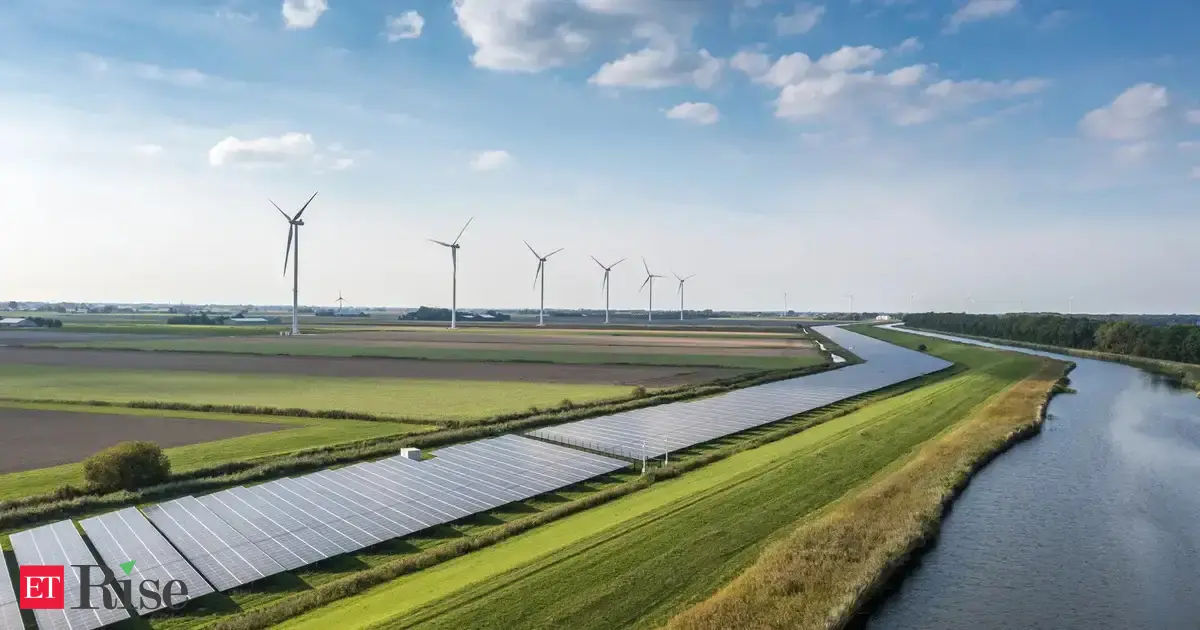
Renewable capacity hits a historic 800 GW, yet the EU’s fossil‑fuel import bill climbs over €27 billion in 60 days, highlighting a stark contrast between long‑term clean‑energy growth and short‑term fuel cost pressures.
### Context The International Energy Agency’s latest global energy review tallied new solar, wind and other clean‑energy projects added in 2025. Analysts summed reported capacity additions from national registries and utility filings, then converted megawatts to gigawatts (1 GW = 1,000 MW). The total reached 800 GW, the highest ever recorded.
In parallel, the European Commission released monthly import data showing that, over a two‑month window, the bloc’s bill for oil, gas, coal and jet fuel rose by more than €27 billion (about $32 billion). The figure derives from customs‑valued imports multiplied by prevailing market prices.
A March poll by Cluster17 for POLITICO asked Europeans whether they would back a faster renewable transition even if it meant higher short‑term energy bills. Forty‑nine percent responded affirmatively; 39 % specifically said they would accept higher costs to accelerate clean‑energy deployment.
### Key Facts - 800 GW of new renewable capacity: Solar contributed the largest share, followed by wind. The IEA’s methodology counted only projects that reached commercial operation, excluding proposals still in planning. - EU fossil‑fuel import bill up €27 B: The spike reflects higher global oil and gas prices after the Iran conflict, compounded by supply‑chain bottlenecks. - Public support for acceleration: 39 % of Europeans favor speeding up the renewable shift despite potential short‑term price hikes, while only 17 % prioritize low prices over environmental goals.
### What It Means The record‑high renewable build‑out demonstrates that, even amid geopolitical shocks, the long‑term trajectory toward clean power remains upward. However, the EU’s sudden cost surge underscores the vulnerability of economies still reliant on imported hydrocarbons. Higher import bills strain household budgets and may force governments to reallocate climate‑funding toward immediate relief.
Economists note that rising financing costs—driven by inflation and higher interest rates—can erode the cost advantage of new wind and solar projects. A study from the University of Oxford’s Smith School quantified that a 1 percentage‑point increase in financing rates raises renewable project costs more than comparable fossil‑fuel projects, potentially slowing future installations.
Public sentiment suggests a willingness to bear short‑term price pressure for long‑term climate benefits. Policymakers will need to balance fiscal support for households with sustained investment incentives for renewables, such as tax credits or low‑cost loans, to keep the momentum.
What to watch next: EU policymakers’ response to the fuel‑price shock, including any adjustments to climate‑budget allocations, and the first quarterly update from the IEA on whether 2026 renewable installations maintain the 800 GW pace.
Continue reading
More in this thread
Conversation
Reader notes
Loading comments...