SNP Wins Fifth Consecutive Holyrood Election but Falls Short of Majority
The SNP secures a fifth straight win but drops to 58 seats, while a pro‑independence bloc reaches a record 73 seats in the Scottish Parliament.
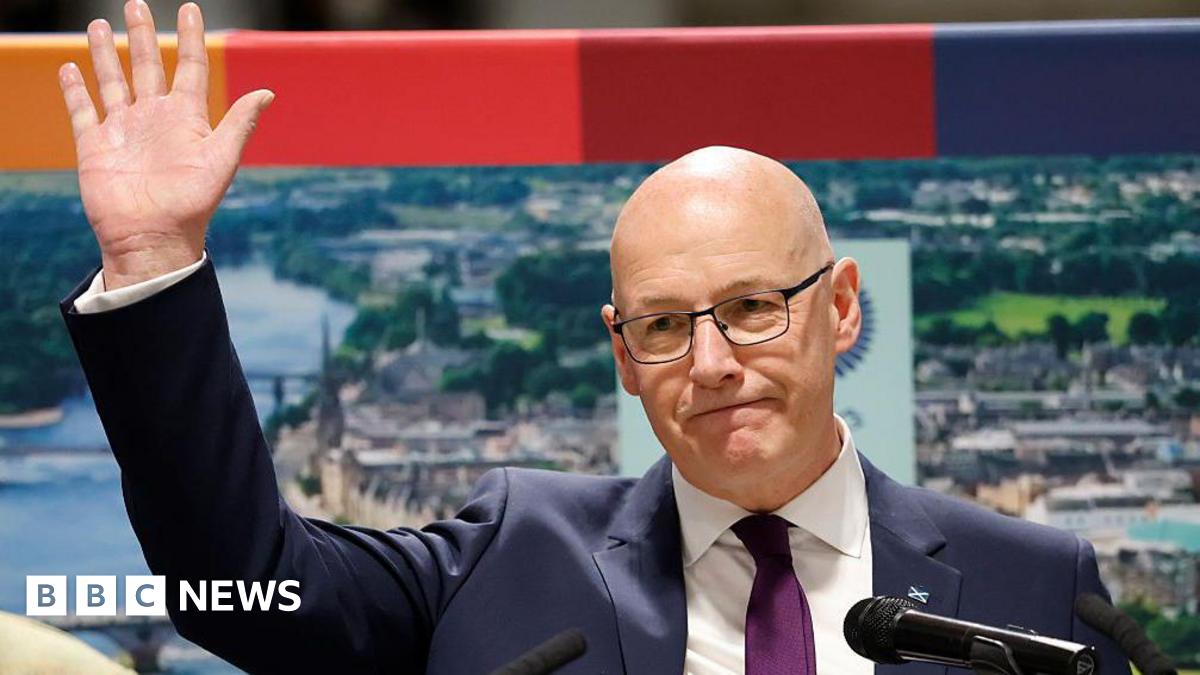
John Swinney, in blue suit, white shirt and purple tie, smiles and waves as he stands on a podium with a photo of Perth behind him.
TL;DR
The SNP won its fifth straight Holyrood election but dropped to 58 seats, leaving it 7 short of a majority; a pro‑independence alliance of SNP and Greens now holds a record 73 seats.
Context The 2026 Scottish parliamentary election marked the seventh contest since the devolved legislature was created in 1999. The Scottish National Party (SNP) has dominated Scottish politics for two decades, and this round continued that trend with a fifth consecutive victory. However, the electoral system, which combines constituency seats with regional lists, often prevents any single party from commanding an outright majority.
Key Facts - SNP leader John Swinney declared the result a “hands‑down” win and called for his return as first minister. - The party’s seat count fell from 64 to 58, below the 65 needed for a majority in the 129‑member parliament. - The pro‑independence bloc now comprises 58 SNP members of the Scottish Parliament (MSPs) plus 15 Scottish Greens, totaling 73 seats – the highest ever for independence‑supporting parties. - Labour and Reform UK each hold 17 seats, placing them behind the independence bloc. - The Greens captured two high‑profile seats, unseating an SNP cabinet minister in Edinburgh Central and taking Glasgow Southside, previously held by former SNP leader Nicola Sturgeon. - Swinney signaled willingness to negotiate with most parties except Reform UK, whose rise has split the unionist vote. - The SNP’s campaign focused on delivering cost‑of‑living relief and NHS improvements, positioning these as foundations for future independence talks.
What It Means Without a majority, the SNP must operate as a minority government or seek a formal arrangement with the Greens. The record‑size pro‑independence bloc gives the coalition leverage to push independence on the agenda, even as the SNP itself fell short of its own majority target. The loss of key constituency seats signals vulnerability in urban strongholds and may prompt the party to recalibrate its message ahead of the next UK general election, due by August 2029. Watch how SNP‑Green negotiations shape policy and whether Reform UK’s presence forces a realignment of unionist forces.
Continue reading
More in this thread
Reform UK Captures 53 of 78 Essex Council Seats as Turnout Peaks
Nadia Okafor
Costa Rica’s President Fernandez Takes Office with Congressional Majority, Promises Hard‑Line Crime Campaign
Nadia Okafor
Conservatives become largest party on Swindon council after 2026 local elections
Nadia Okafor
Conversation
Reader notes
Loading comments...