Reform UK Captures 53 of 78 Essex Council Seats as Turnout Peaks
Reform UK captures 53 of 78 Essex County Council seats as voter turnout climbs to a decades‑high 43.6%, ending 25 years of Conservative control.
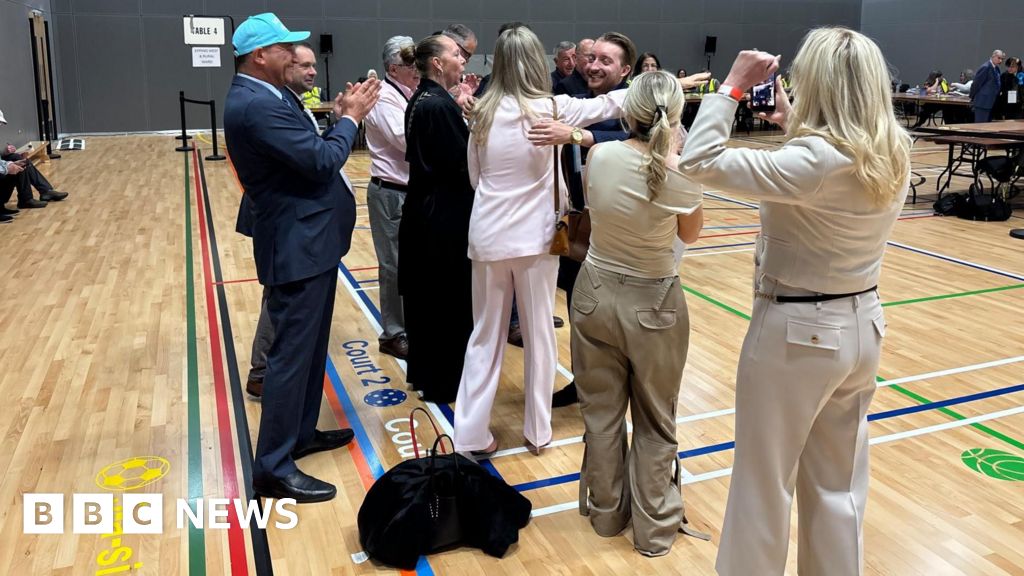
People dressed smartly hug each other and clap while looking happy in a sports hall at an election count
TL;DR: Reform UK storms to 53 of 78 Essex County Council seats, while voter turnout climbs to a decades‑high 43.6%.
Context Essex held its county council elections after a postponement that left the race uncertain. For 25 years the Conservatives controlled the council, but this cycle saw a surge in voter engagement and a dramatic shift in party representation.
Key Facts Reform UK secured 53 seats, up from a single councillor before the vote. The party’s gains reduced the Conservative caucus from 51 members to 13 and cut Labour’s representation from six seats to one. Peter Harris, elected deputy leader of Reform’s Tendring District Council group, said voters “wanted change” and delivered a “clear mandate.”
Turnout reached 43.6%, the highest level in decades for the county council. In Southend‑on‑Sea, turnout rose to 43.1%, far above the 30% recorded in the 2024 city elections. The high participation rate coincided with Reform’s sweep of Thurrock, where the party won 45 of 49 seats, and a gain of 11 seats in Southend‑on‑Sea, matching the Conservatives there.
The election also unseated several long‑standing council figures, including county leader Kevin Bentley and health cabinet member John Spence. New Reform councillors will convene for their first annual meeting on 28 May to elect a council leader.
What It Means Reform UK’s dominance reshapes Essex’s political landscape, ending a quarter‑century of Conservative rule and positioning the party to influence local policy on housing, transport, and public services. The surge in turnout suggests heightened public interest in local governance, a trend that could affect upcoming elections in neighboring authorities. Watch how Reform translates its mandate into council decisions and whether the voter enthusiasm sustains momentum in future polls.
Continue reading
More in this thread
Conversation
Reader notes
Loading comments...