Snowmaking’s Carbon Footprint Mirrors Power Source, Not the Cannons
A University of Innsbruck study shows snowmaking emissions vary from 120g to 6.6kg CO₂ per skier depending on the electricity mix, challenging the notion that snow cannons are inherently dirty.
TL;DR
Snowmaking emits as little as 120 g CO₂ per skier when powered by renewable electricity, but can exceed 6 kg per skier with fossil‑fuel grids.
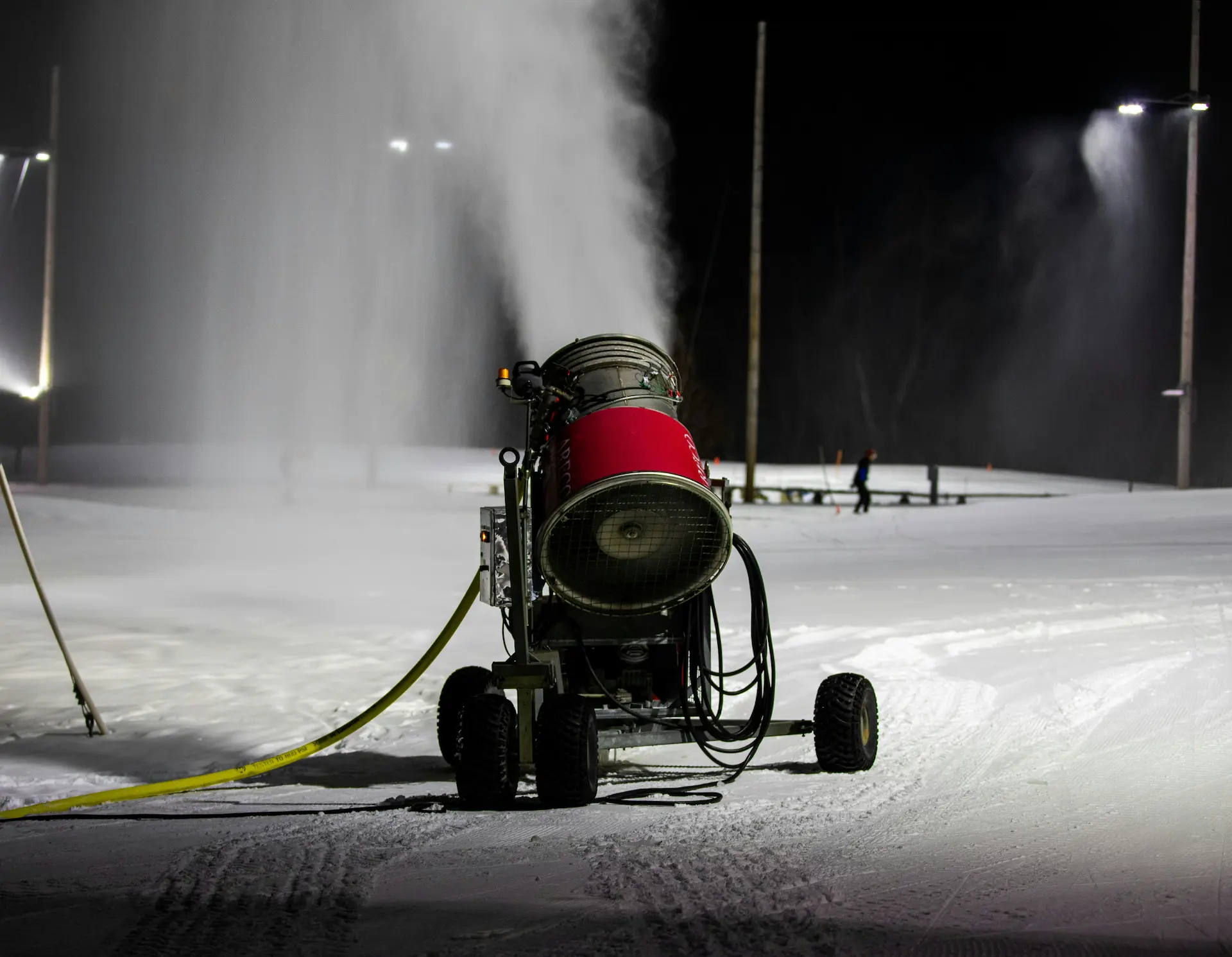
Context Ski resorts have long been blamed for adding carbon to a warming climate by spraying water into the air to replace dwindling natural snow. Critics point to the energy‑intensive nature of snow cannons, assuming the process is inherently polluting. A 2026 analysis from the University of Innsbruck overturns that assumption by showing that the emissions tied to snowmaking depend almost entirely on the source of electricity that powers the equipment.
Key Facts The Austrian researchers examined snowmaking operations during the 2022‑23 and 2023‑24 seasons across several Alpine resorts. They calculated total annual emissions between 6,246 and 7,424 tonnes of CO₂. By contrast, a widely cited 2023 Canadian study reported 130,095 tonnes for a similar period. When broken down per skier visit, the Austrian data yielded 120–140 g of CO₂, while the Canadian figure stood at 6,670 g. The authors attribute the gap to two factors: newer, more efficient snowmaking technology and Austria’s electricity grid, which is dominated by hydropower and other renewables. In regions where the grid relies on coal or natural gas, each kilowatt‑hour used by a snow cannon carries the emissions of the power plant, inflating the snow’s carbon cost.
What It Means The study’s central message is clear: snowmaking is not a carbon villain in itself. If a resort switches from a fossil‑fuel‑heavy grid to renewable electricity, its environmental profile can shift dramatically. This insight gives ski operators a concrete lever for emissions reductions—invest in on‑site solar, wind, or purchase green power contracts—rather than abandoning snowmaking altogether. The findings also suggest that future carbon accounting for ski tourism should factor in local energy mixes, not just equipment specifications.
Looking ahead, the industry’s next test will be scaling renewable power at mountain sites while maintaining reliable snow production. Monitoring how quickly resorts can transition their energy sources will indicate whether snowmaking can become a genuinely low‑carbon activity.
Continue reading
More in this thread
Conversation
Reader notes
Loading comments...