Smart Grid Automation Reduces Outages by 60% and Cuts Building Energy Use by 20%
Automated distribution network self‑healing reduces power outage length by up to 60%, while granular building energy monitoring cuts consumption by 10‑20%. Learn how these smart grid technologies improve reliability and lower costs.
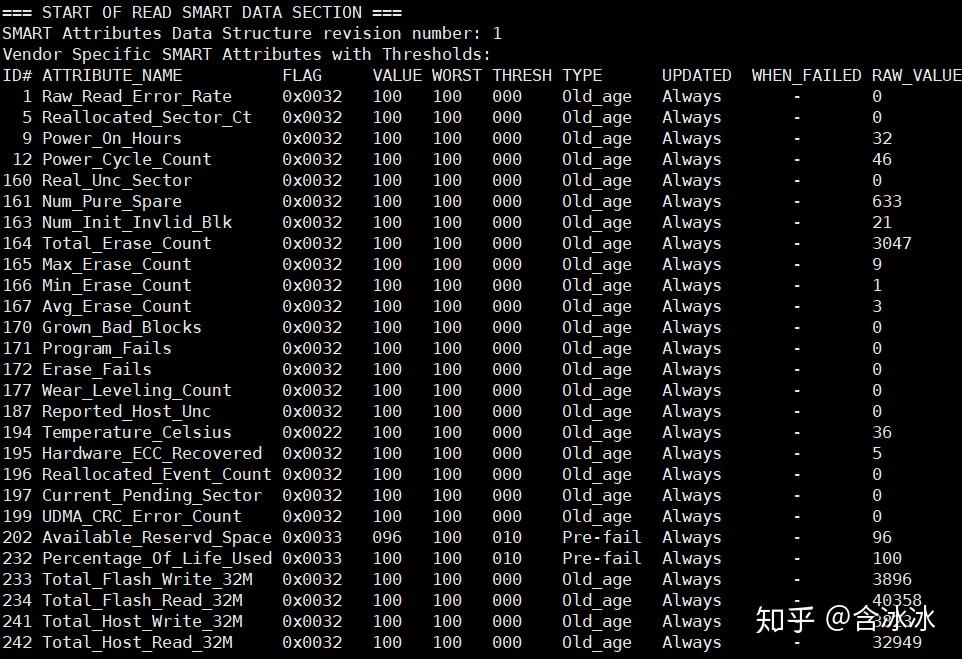
linux下使用SMARTCTL工具查看
TL;DR: Smart grid automation that self‑heals after faults cuts power outage length by up to 60%, while detailed building energy monitoring reduces consumption by as much as 20%. Together these technologies improve reliability and lower costs for utilities and customers.
Context: The U.S. electricity network is shifting from a one‑way system centered on large power plants to a bidirectional grid that accommodates solar panels, batteries, and electric vehicle chargers. This shift creates more points of failure and variable supply, prompting utilities to invest in sensors, communication links, and automated controls that can react faster than human crews. Many municipalities are aligning grid upgrades with broader smart city initiatives that also address transportation electrification and building efficiency.
Key Facts: Automated distribution equipment that detects a fault, isolates the damaged section, and reroutes power restores service in seconds, reducing outage duration by 40‑60% in field deployments. In buildings, installing sub‑metering or sensor networks that track electricity use at the appliance level yields energy savings of 10‑20% compared with similar unmonitored structures. Smart meters capture usage data in real time and transmit it to utilities at 15‑minute intervals, providing the granularity needed for outage detection, demand‑response programs, and load shifting during peak periods.
What It Means: Lower outage times translate into fewer lost productivity hours and reduced repair expenses for utilities, while building‑level monitoring helps owners cut electricity bills and meet sustainability targets. The data stream from smart meters also enables time‑of‑use pricing, encouraging consumers to shift load away from peak periods and easing stress on the grid. By lowering outage frequency and energy waste, the combined approach contributes to lower carbon emissions per kilowatt‑hour delivered.
What to watch next: Regulators are evaluating incentives for wider deployment of distribution automation and advanced metering, and industry pilots are testing artificial intelligence that predicts faults before they occur, which could push reliability gains even further.
Continue reading
More in this thread
Conversation
Reader notes
Loading comments...