Secret London Tube Bunker Shows NATO 2030 War Game and UK Drone Gap
A hidden bunker under Charing Cross staged a 2030 NATO drill, exposing the UK's 80‑90% drone deficit and the funding needed to close it.
TL;DR
A covert war‑game beneath Charing Cross simulates a 2030 NATO defence of Estonia, revealing that the UK lacks 80‑90% of the drones required for future combat and would need £50 million a year for basic attack drones and £500 million for advanced systems.
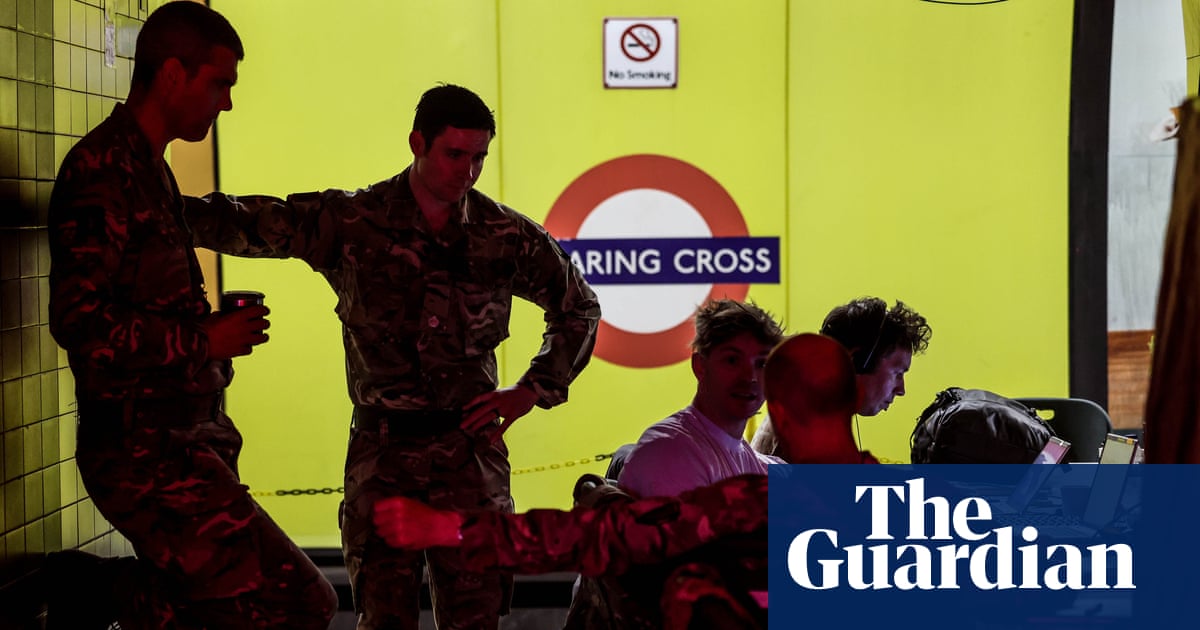
Context Deep in the disused terminus of the Jubilee line at Charing Cross station, a secret NATO command bunker hosted a simulated defence of Estonia against a Russian invasion set in 2030. Dozens of British soldiers, senior NATO officers and three junior defence ministers observed the exercise, while commuters above remained unaware. The scenario reflects analysts’ view that a remilitarised Russia could pose its greatest threat to Europe by that year.
Key Facts - Lt Gen Mike Elviss, commander of the Allied Rapid Reaction Corps, explained that the 2030 timeline was chosen because the Russian threat is expected to peak then. - The British army currently possesses only 10‑20% of the drones it deems necessary for reconnaissance, air‑defence and attack roles, leaving an 80‑90% shortfall. - Supplying sufficient basic attack drones would cost roughly £50 million per year, while developing sophisticated, armed driverless drones would require about £500 million annually. - The underground command centre can host 500 personnel and process 10 terabytes of data each day, equivalent to three months of Netflix streaming. - The exercise, named Arrcade Strike, demonstrated a NATO force using thousands of drones to locate and neutralise Russian positions, supported by fighter jets, artillery and AI‑driven decision tools.
What It Means The drill underscores a strategic gap: if a full‑scale conflict erupted tomorrow, the UK could exhaust its drone inventory in less than a week, limiting sorties to a few hundred per day. The stark numbers put pressure on the Ministry of Defence and Treasury, which have been negotiating funding for a massive drone procurement programme. Meeting the £50 million annual baseline for simple drones is already a political hurdle; the £500 million needed for advanced autonomous systems represents a far larger commitment.
The visibility of the exercise to senior officials suggests that NATO is testing not only combat concepts but also the political will of member states to fund the technology required for a 2030 defence posture. As the UK debates its defence budget, the gap between current capability and projected need will likely dominate future procurement discussions.
Looking ahead, watch for parliamentary hearings on drone funding and any updates to NATO’s 2030 readiness plans as the UK balances fiscal constraints with emerging security threats.
Continue reading
More in this thread
Conversation
Reader notes
Loading comments...