ESA Allocates €1.65 M to Develop Smart Skin for Space‑Robotic Arms
ESA grants €1.65 million to develop protective Smart Skin for robotic arms, targeting lunar, Martian and in‑orbit missions.
ESA Allocates €1.65 M to Develop Smart Skin for Space‑Robotic Arms
TL;DR: ESA has granted €1.65 million to a pan‑European consortium to build two Smart Skin prototypes that will shield robotic arms from dust, radiation and extreme temperatures.
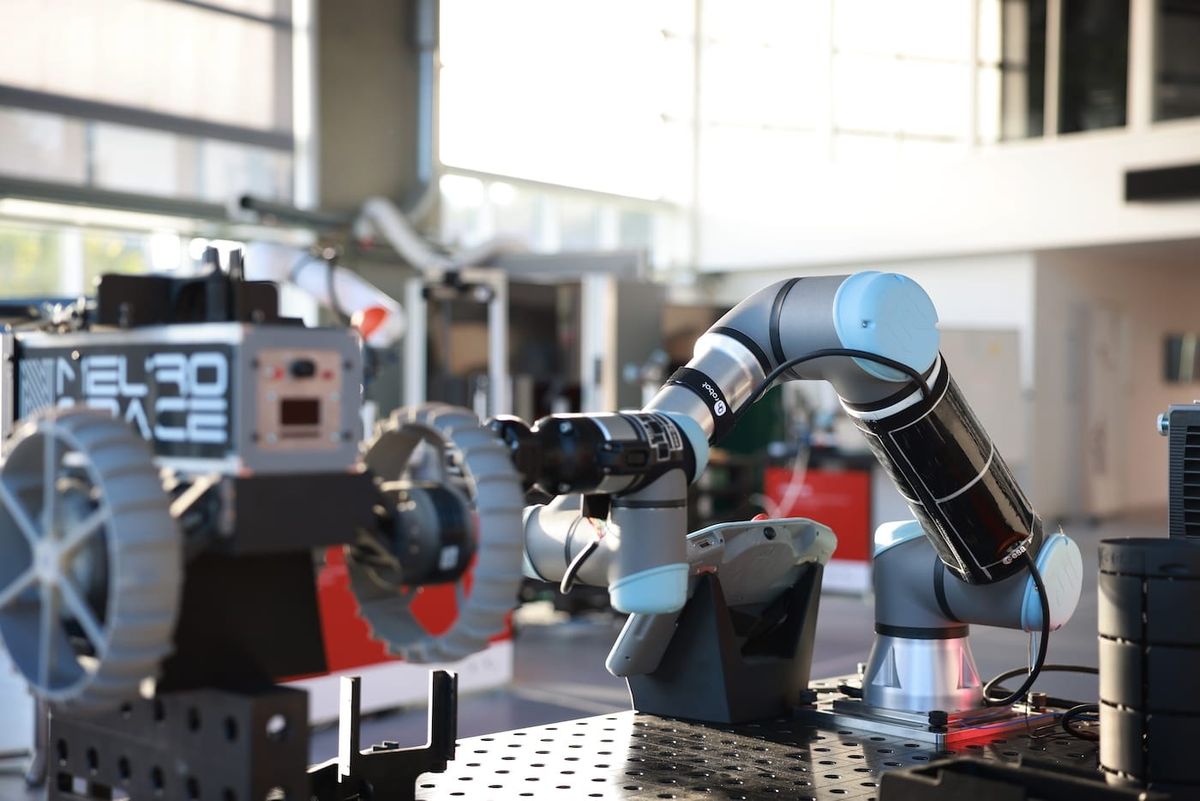
The European Space Agency (ESA) announced a 24‑month contract, starting in 2026, for a Danish Technological Institute (DTI)‑led team to develop the Smart Skin for Exploration Cobots. The project will deliver two space‑tested protective coverings designed for robotic arms destined for lunar, Martian and in‑orbit missions.
Key facts: - Funding totals €1.65 million and runs through 2028. - The Smart Skin combines a 3D‑printed scaffold with four integrated functions: thermal and dust protection, flexible power‑data routing, collision‑avoidance sensors, and human‑machine interaction features. - Partners include Poland’s PIAP Space, Luxembourg’s Redwire Space Europe, and Hungary’s Admatis, which supplies the thermal protection system. - The skin must endure temperature swings from –150 °C to +120 °C, abrasive lunar regolith, and repeated joint motion.
Christian Dalsgaard, senior consultant at DTI, highlighted the broader need for robust robots that can extract lunar resources, service satellites and remove debris, either autonomously or alongside astronauts. He noted that the technology could also benefit industrial sectors such as metal foundries, where equipment faces heat and contamination.
Tamás Bárczy, CEO of Admatis, emphasized that the Smart Skin could enable the use of off‑the‑shelf robotic components, lowering costs for deep‑space, in‑orbit and lunar operations and strengthening Europe’s market position.
What it means: The initiative pushes additive manufacturing—building parts layer by layer—into a new regime where moving structures must retain insulation and sensor performance. Successful prototypes could set a standard for modular, reusable protection systems, reducing the need for custom‑built space hardware. By proving the concept on ESA’s upcoming lunar arms, the consortium aims to create a scalable solution for a range of extreme environments.
Watch for the first field‑tested Smart Skin demonstrations slated for late 2028, which will reveal whether the technology can meet ESA’s stringent qualification thresholds and open doors to commercial adoption.
Continue reading
More in this thread
Conversation
Reader notes
Loading comments...